


Customer data has become one of the most valuable resources for modern businesses. Every interaction, purchase, website visit, email click, social media engagement, and customer service conversation can provide useful information about what customers want and how they behave. Customer Data Analysis turns this information into meaningful insights that businesses can use to improve marketing, customer experience, sales, and long-term growth.
Instead of making decisions based only on assumptions, businesses can use customer information to identify trends, understand audience preferences, and create more relevant experiences. Effective data analysis can also help companies identify their most valuable customers, improve retention, reduce wasted marketing spending, and discover new opportunities.
What Is Customer Data Analysis?
Customer Data Analysis is the process of collecting, organizing, examining, and interpreting information about customers. The goal is to understand customer behavior, preferences, needs, and purchasing patterns.
Businesses can analyze many types of information, including demographic data, purchase history, website behavior, customer feedback, email engagement, social interactions, and customer support records. When these data sources are analyzed together, businesses can develop a clearer picture of their customers and make more informed decisions.
Why Customer Data Analysis Matters
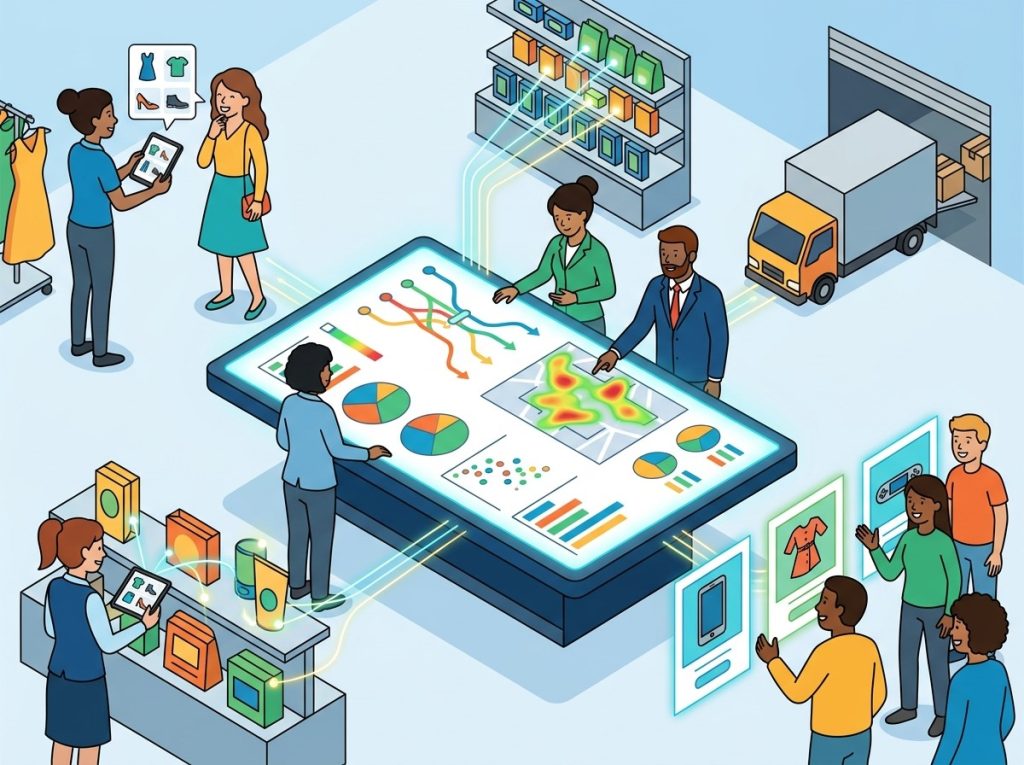 Without proper analysis, large amounts of customer information may remain unused. Simply collecting data does not automatically create business value. Companies need to identify meaningful patterns and turn those patterns into practical actions.
Customer Data Analysis can help businesses understand which products customers prefer, which marketing channels generate the best results, and where customers may be leaving the buying journey.
Collect Relevant Customer Data
The quality of your analysis depends heavily on the quality of your data. Businesses should focus on collecting information that is relevant to their objectives rather than gathering unnecessary data.
Common sources include websites, e-commerce platforms, CRM systems, email marketing platforms, social media channels, surveys, customer support systems, and transaction records. Data should be collected consistently and organized in a way that makes it easy to analyze.
Combine Data From Multiple Sources
Customers often interact with a business through multiple channels. Someone may discover a company through search, visit its website through social media, subscribe to an email list, and eventually make a purchase.
Combining information from these interactions provides a more complete customer profile. This can help businesses understand the entire customer journey rather than analyzing each channel separately.
Segment Customers Based on Behavior
Customer segmentation allows businesses to group customers based on shared characteristics or behaviors. Instead of using the same strategy for everyone, companies can develop more relevant marketing approaches for different audience groups.
Segments may be based on demographics, purchase frequency, spending levels, interests, location, engagement, or customer lifecycle stage. For example, a business may identify new customers, repeat buyers, inactive customers, and high-value customers as separate groups.
Personalize Customer Experiences
Personalization is one of the strongest benefits of effective customer analysis. When businesses understand what customers are interested in, they can provide more relevant content, product recommendations, offers, and communications. Personalized experiences can make customers feel understood and may improve engagement and conversion rates.
Analyze Customer Purchasing Behavior
Purchase data can reveal valuable information about customer preferences. Businesses can examine which products sell most frequently, how often customers purchase, average order values, and which products are commonly purchased together.
This information can help businesses improve product recommendations, promotional campaigns, inventory planning, and cross-selling strategies. Businesses can also use customer purchasing information to identify changes in demand and adjust their strategies accordingly.
Use Customer Data to Improve Marketing
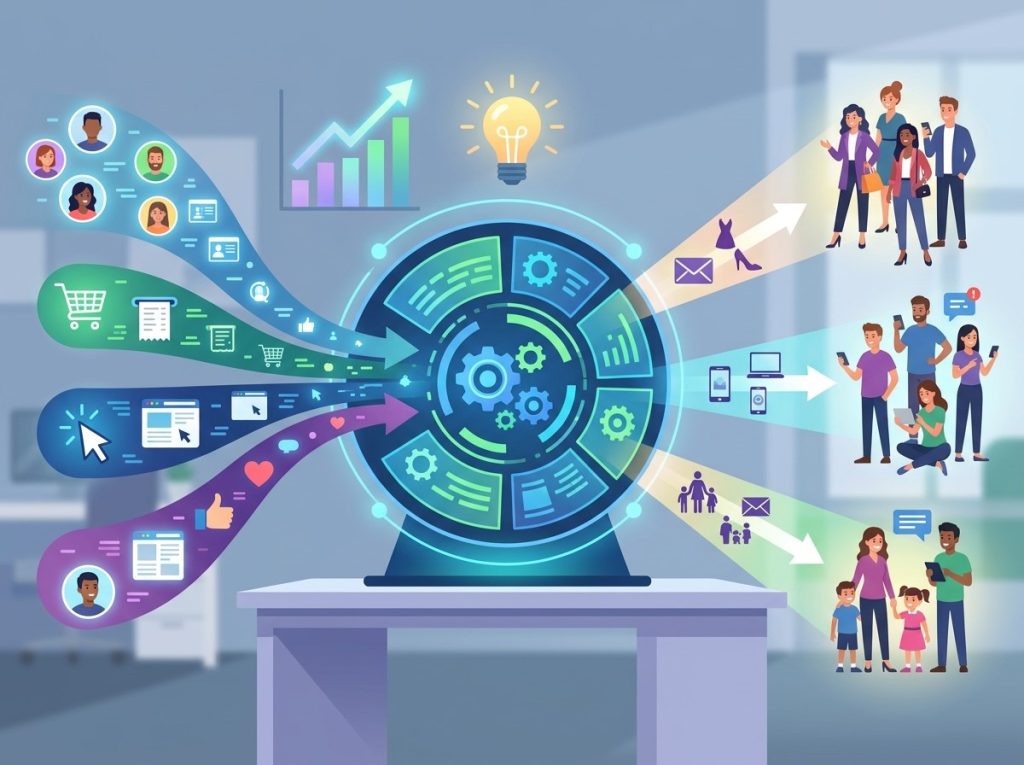 Customer Data Analysis can make marketing more precise. Instead of targeting broad audiences with generic messages, marketers can use data to identify specific customer needs and behaviors.
For example, customer engagement data can show which email campaigns receive the most clicks or which landing pages generate more conversions. This information can then be used to improve future campaigns.
Connect Data With SEO and Inbound Marketing
SEO and Inbound Marketing can become more effective when supported by customer insights. Search behavior, website interactions, content engagement, and conversion data can help businesses understand what information their audience needs.
Customer data can reveal which topics attract visitors, which content supports conversions, and where users may experience problems. These insights can help businesses create more useful content while improving their overall inbound marketing strategy.
Improve Customer Retention
Acquiring new customers can require significant time and marketing investment. For this reason, retaining existing customers is an important part of sustainable growth. Customer Data Analysis can help businesses identify signs of customer dissatisfaction or declining engagement.
For example, a customer who previously purchased regularly but has stopped interacting with a company may require a retention campaign. Businesses can use these insights to create targeted offers, personalized communication, loyalty programs, or customer support initiatives.
Identify High-Value Customers
Not every customer contributes the same amount of revenue or long-term value. Analyzing customer spending, purchase frequency, retention, and engagement can help businesses identify their most valuable customer groups.
These customers may be suitable for loyalty programs, exclusive offers, premium services, or personalized communication. Understanding high-value customers can also help businesses identify the characteristics of audiences that are more likely to generate long-term revenue.
Use Real-Time Data for Faster Decisions
Traditional reporting often relies on historical data. While historical information remains useful, modern businesses can also benefit from real-time insights. Real-Time Data-Driven Marketing allows marketers to respond to customer actions and changing conditions more quickly.
For example, if customers suddenly show increased interest in a particular product, a business can adjust its marketing campaigns, promotions, or inventory strategy. Real-time analysis can be particularly valuable for e-commerce, advertising, financial services, travel, and other industries where customer behavior can change rapidly.
Measure Marketing Performance
Customer data can help businesses understand whether their marketing investments are producing meaningful results. Instead of focusing only on impressions or website traffic, businesses can analyze deeper metrics such as conversions, customer acquisition cost, customer lifetime value, retention, and revenue generated by specific campaigns. This makes it easier to determine which marketing activities deserve additional investment.
Optimize Campaigns With Data
Campaign performance should be monitored continuously. If one audience segment responds strongly to a campaign while another shows little interest, marketers can adjust targeting and messaging. Testing different headlines, offers, content formats, landing pages, and calls to action can also help businesses identify what works best.
Predict Future Customer Behavior
Historical customer data can be used to identify patterns that may help businesses anticipate future behavior. For example, businesses may analyze previous purchases to estimate when customers are likely to buy again. They can also identify customers who may be at risk of leaving or those who are likely to respond to a particular offer. Predictive insights can support inventory planning, sales forecasting, personalized marketing, and customer retention.
Explore New Marketing Opportunities
Customer analysis can reveal opportunities that businesses may not notice through traditional research. For example, a company may discover that a specific customer segment is highly interested in a product category that has received little marketing attention. Businesses can then develop targeted campaigns or new products based on these findings.
Emerging digital environments also create new possibilities. Metaverse Marketing Strategies can provide businesses with additional ways to experiment with immersive experiences, virtual events, digital products, and interactive customer engagement. However, businesses should use customer data to determine whether these emerging channels are relevant to their target audience instead of adopting them simply because they are trending.
Improve Customer Experience
Customer experience can have a major influence on loyalty and business growth. Customer data can help businesses identify where customers encounter difficulties.
For example, website analytics may reveal that users frequently abandon a checkout page. Customer service data may show repeated complaints about a particular process. By connecting these insights, businesses can identify friction points and improve the overall customer journey.
Protect Customer Data
Effective Customer Data Analysis must be supported by responsible data management. Businesses should collect and use customer information transparently and follow applicable privacy and data-protection requirements. Only necessary information should be collected, and access should be limited to authorized individuals.
Companies should also use appropriate security measures to protect customer information from unauthorized access, loss, or misuse. Trust is an important part of customer relationships, and poor data handling can damage a company’s reputation.
Create a Data-Driven Business Culture
 Technology alone cannot create a data-driven organization. Teams need to understand how customer insights can support their everyday decisions. Marketing, sales, customer service, product development, and management teams can benefit from sharing relevant customer insights. When departments work with consistent data, businesses can make more coordinated decisions and create a better customer experience.
Use the Right Analytics Tools
The right tools can make Customer Data Analysis more efficient. Depending on business needs, companies may use web analytics platforms, CRM software, customer data platforms, business intelligence tools, marketing automation systems, and reporting dashboards.
The goal is not to use the largest number of tools. Instead, businesses should select solutions that support their objectives and integrate effectively with existing systems. Data dashboards can also make important metrics easier to understand. Decision-makers can monitor customer acquisition, engagement, retention, conversions, and revenue without manually reviewing large amounts of raw information.
Turn Customer Insights Into Business Growth
The most important step in Customer Data Analysis is converting insights into action. Finding that customers prefer a particular product is useful, but businesses need to decide what to do with that information. They may increase inventory, create targeted promotions, develop related products, or adjust their content strategy.
Similarly, discovering that customers abandon the checkout process should lead to an investigation into pricing, usability, payment options, or technical problems. Data becomes valuable when it supports practical decisions.
Common Challenges in Customer Data Analysis
Businesses may face several challenges when implementing customer data strategies. Poor-quality information, disconnected systems, incomplete customer profiles, and inconsistent reporting can make analysis difficult.
Another challenge is information overload. Collecting too much data without a clear objective can make it harder to identify useful insights. Businesses should therefore start with specific questions. Determine what you want to understand, identify the necessary data, analyze it, and then use the findings to improve business performance.
Best Practices for Customer Data Analysis
A successful strategy should begin with clear business objectives. Decide whether the goal is to improve customer retention, increase conversions, reduce acquisition costs, improve personalization, or discover new market opportunities.
Businesses should also maintain accurate data, protect customer information, regularly review important metrics, and test strategies based on analytical findings. Most importantly, analysis should be continuous. Customer preferences and market conditions change, so businesses should regularly update their understanding of their audience.
Conclusion
Customer Data Analysis provides businesses with a practical way to understand their customers and make smarter decisions. By analyzing purchasing behavior, engagement, customer journeys, and other relevant information, companies can create more personalized experiences and improve marketing performance.
From connecting insights with SEO and Inbound Marketing to implementing Real-Time Data-Driven Marketing, customer information can support decisions across multiple areas of a business. Emerging opportunities such as Metaverse Marketing Strategies can also be evaluated using customer insights to determine whether they offer genuine value. The key is to move beyond simply collecting data. Businesses should transform customer information into actionable insights, continuously test their strategies, and use those findings to create better experiences and sustainable growth.
Frequently Asked Questions
1. What is Customer Data Analysis?
Customer Data Analysis is the process of examining customer information to understand behavior, preferences, purchasing patterns, and needs. Businesses use these insights to improve marketing, sales, customer experience, and decision-making.
2. Why is Customer Data Analysis important for business growth?
It helps businesses understand their customers more accurately, improve marketing efficiency, increase retention, identify opportunities, and make decisions based on evidence rather than assumptions.
3. What types of customer data can businesses analyze?
Businesses can analyze purchase history, demographic information, website behavior, email engagement, social media interactions, customer feedback, support records, and other relevant customer information.
4. How does Customer Data Analysis improve marketing?
It helps marketers understand audience preferences and create more targeted campaigns. Businesses can use these insights to improve content, personalization, targeting, customer engagement, and campaign performance.
5. How does Customer Data Analysis support customer retention?
By analyzing customer behavior, businesses can identify declining engagement, changing purchasing patterns, and potential dissatisfaction. This allows companies to develop targeted retention strategies.
6. What is Real-Time Data-Driven Marketing?
Real-Time Data-Driven Marketing uses current customer and market information to make faster marketing decisions. It can help businesses respond quickly to customer actions, trends, and changing demand.
7. How does Customer Data Analysis support SEO and inbound marketing?
Customer insights can reveal what topics, search behaviors, and content types are most relevant to an audience. These findings can help businesses create more useful content and improve their inbound marketing strategies.
8. Can customer data help businesses personalize marketing?
Yes. Businesses can use customer preferences, purchasing history, engagement, and behavior to provide more relevant content, recommendations, offers, and communications.
9. How can businesses use customer data for future growth?
Businesses can identify high-value customers, emerging trends, new market opportunities, product demand, and areas for improvement. These insights can support strategic decisions and sustainable growth.
10. What is the biggest challenge in Customer Data Analysis?
Common challenges include poor data quality, disconnected systems, privacy concerns, excessive data, and difficulty turning insights into action. Clear objectives and consistent data management can help overcome these challenges.



Leave a Reply