

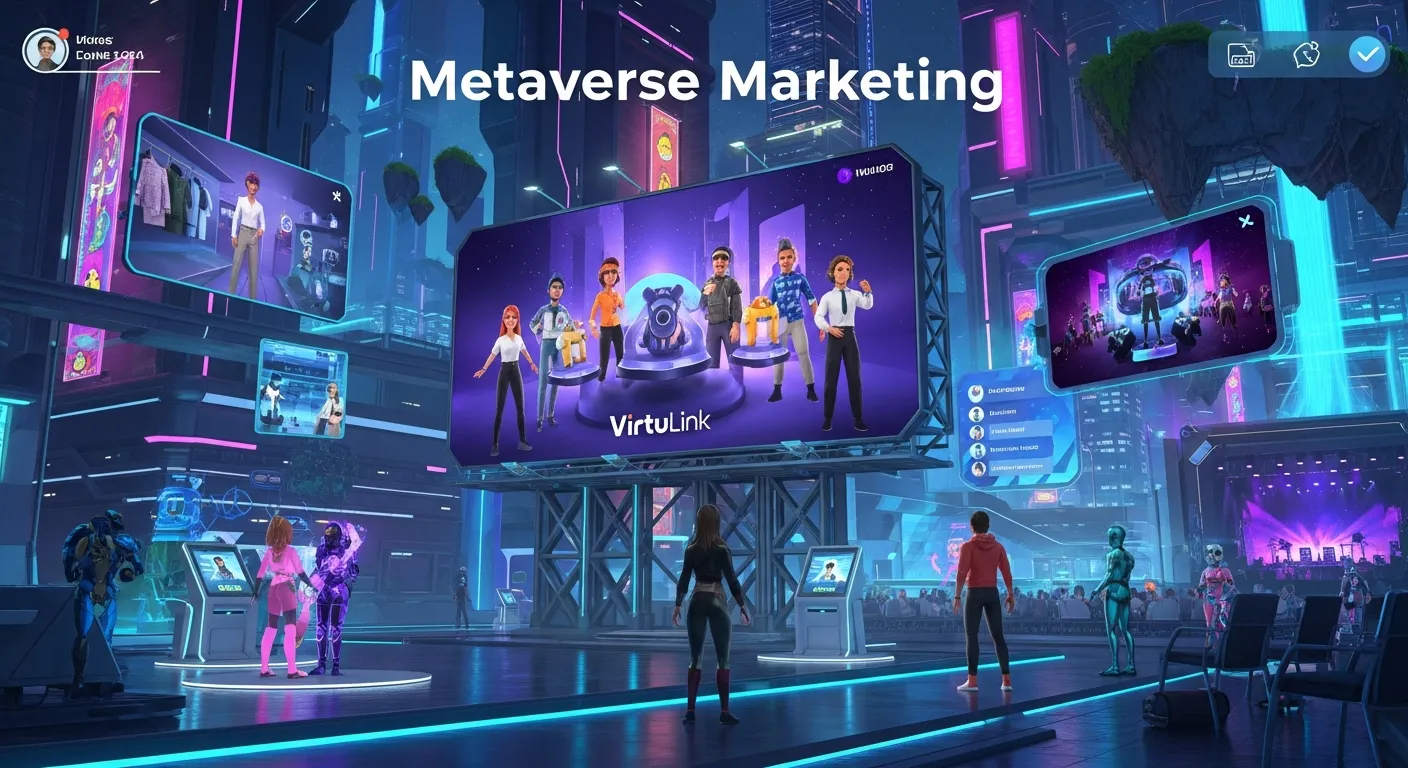
Brands must adapt rapidly to digital shifts. Implementing robust metaverse marketing strategies allows you to capture entirely new audiences through immersive, highly interactive virtual environments.
This guide breaks down the most effective metaverse marketing strategies available right now. You will discover actionable tactics, explore real-world brand case studies, and learn how to leverage digital avatars and virtual commerce to build lasting customer loyalty and drive measurable business growth.
The Evolution of Brand Engagement
Marketing has shifted from static billboards to highly interactive digital ecosystems. Traditional social media channels still hold value, but forward-thinking brands are already investing heavily in metaverse marketing strategies. These virtual platforms provide users with unprecedented agency, allowing them to explore 3D worlds, interact with products, and connect with communities in real time.
By establishing a presence early, brands secure a competitive advantage. Successful metaverse marketing strategies do not simply replicate real-world advertising; they reimagine the consumer journey. Through gamification, exclusive digital collectibles, and immersive events, companies can foster deeper emotional connections. When you understand the underlying mechanics of these digital landscapes, you can transform casual players into dedicated brand advocates.
Core Metaverse Marketing Strategies for Maximum Impact

To succeed in virtual environments, you must deploy specific, targeted tactics. Here are the most effective metaverse marketing strategies driving results today.
1. Develop Immersive Brand Experiences
Consumers no longer want to passively watch advertisements; they want to participate. Creating an interactive 3D environment is one of the most powerful metaverse marketing strategies you can implement. Brands like Gucci and Nike have built entire virtual worlds on platforms like Roblox. These spaces allow users to explore, play mini-games, and interact with branded elements. By offering value through entertainment, you naturally increase brand affinity. Investing in immersive brand experiences ensures your audience spends significantly more time engaging with your products than they would on a traditional website.
2. Leverage Digital Avatars and Direct-to-Avatar Sales
Virtual identity is incredibly important to modern consumers. People spend billions customizing their online personas. Selling virtual apparel and accessories directly to these users is a cornerstone of modern metaverse marketing strategies. The Direct-to-Avatar (D2A) economy allows brands to retail digital versions of their physical products. You can partner with established 3D designers to create exclusive digital wearables. When users dress their digital avatars in your brand, they serve as walking advertisements within the virtual space, exponentially increasing your organic reach.
3. Integrate Virtual Reality Ads Natively
Disruptive pop-up ads ruin the user experience. Instead, effective metaverse marketing strategies insert promotions naturally into the virtual environment. Think of digital billboards inside a virtual sports stadium or branded items scattered throughout a racing game. These native virtual reality ads blend seamlessly with the gameplay. According to data from Statista, in-game advertising significantly boosts brand recall without frustrating the player. This approach respects the user’s immersion while still delivering your marketing message effectively.
4. Capitalize on Web3 Branding and NFTs
Digital ownership drives immense engagement. Offering Non-Fungible Tokens (NFTs) or digital collectibles adds a layer of exclusivity to your campaigns. Progressive metaverse marketing strategies use these tokens as VIP access passes. A customer who holds your brand’s digital collectible might receive early access to physical product drops, tickets to exclusive virtual concerts, or special discounts. Integrating Web3 branding into your overall strategy builds a highly dedicated, community-driven customer base that feels personally invested in your brand’s success.
5. Replicate Real-World Activations Digitally
Bridging the physical and digital worlds is a highly effective tactic. If you launch a new product in real life, launch a digital version simultaneously in the metaverse. Some of the most successful metaverse marketing strategies involve parallel campaigns. For example, a restaurant chain might create a virtual scavenger hunt where players find digital food items to earn real-world discount codes. This omni-channel approach drives foot traffic to physical stores while simultaneously boosting virtual engagement.
Comparing Marketing Approaches
Understanding how virtual campaigns differ from traditional digital efforts helps refine your approach.
|
Feature |
Traditional Digital Marketing |
Metaverse Marketing Strategies |
Impact on ROI |
|---|---|---|---|
|
User Engagement |
Passive (scrolling, clicking) |
Active (exploring, playing, creating) |
Higher dwell time and deeper brand recall |
|
Content Format |
2D images, text, and videos |
3D environments, interactive objects |
Creates stronger emotional connections |
|
Community Building |
Comment sections, forums |
Shared virtual spaces, live events |
Fosters hyper-engaged brand advocates |
|
Revenue Streams |
Physical product sales, subscriptions |
Virtual goods, NFTs, D2A commerce |
Opens entirely new, high-margin revenue channels |
|
Analytics |
Click-through rates, bounce rates |
Avatar interaction time, spatial tracking |
Provides richer behavioral insights |
This comparison illustrates why investing in metaverse marketing strategies yields such dynamic results. You move from fighting for fleeting attention to inviting consumers into a world you control.
Pro Tips and Expert Insights
To maximize the effectiveness of your metaverse marketing strategies, consider these advanced expert insights.
First, collaborate closely with native creators. The communities on platforms like Roblox, Decentraland, and Sandbox have their own distinct cultures. Partnering with established virtual creators ensures your brand activation feels authentic rather than corporate and forced.
Second, prioritize utility over novelty. Launching a digital token is not enough. You must provide ongoing value to the holders. McKinsey & Company reports that utility-driven digital assets create long-term customer retention, whereas purely cosmetic tokens often lose momentum quickly. Always tie your virtual efforts back to tangible consumer benefits.
Third, embrace gamification. Your metaverse marketing strategies should feel like a game, not a sales pitch. Reward users for exploring your virtual store, interacting with other players, or finding hidden Easter eggs. Gamified elements drastically increase the amount of time users spend interacting with your brand.
Common Mistakes to Avoid
Many companies fail when executing metaverse marketing strategies because they treat virtual worlds exactly like legacy social media platforms. Avoid these critical errors.
Do not launch without a clear community strategy. Simply building a 3D store and expecting users to arrive is a massive mistake. You must actively drive traffic to your virtual space through your existing social channels, email newsletters, and influencer partnerships.
Avoid ignoring platform capabilities. Each virtual world has different technical specifications and audience demographics. Porting the exact same experience from a VR platform to a block-building game will feel out of place. Tailor your metaverse marketing strategies to fit the specific mechanics of the platform you choose.
Never underestimate the importance of accessibility. Highly complex virtual experiences that require expensive VR headsets will severely limit your audience reach. Ensure your metaverse marketing strategies include mobile-friendly and browser-based access points so anyone can engage with your brand regardless of their hardware.
Measuring the Success of Virtual Campaigns

Data must drive your metaverse marketing strategies. You cannot improve what you do not measure. However, the metrics for virtual success differ from traditional web analytics.
Track spatial engagement. Measure how long avatars linger in specific areas of your virtual store. This indicates which visual elements capture the most attention. Monitor interaction rates with your 3D objects. How many users actually picked up your virtual product?
Analyze digital sales volume. If you employ D2A tactics, track the conversion rates of your virtual apparel. Additionally, closely monitor cross-channel attribution. If you offer real-world discounts within the virtual space, track how many of those codes are redeemed in physical stores. This proves the tangible ROI of your metaverse marketing strategies to key stakeholders.
Conclusion
Mastering metaverse marketing strategies enables your brand to connect with consumers on a profoundly deeper level. By building immersive experiences, leveraging digital avatars, and embracing virtual commerce, you create highly engaging campaigns that drive real results. Analyze your target audience, experiment with interactive 3D environments, and launch your first virtual campaign today to stay ahead of the digital curve.
FAQs
What are metaverse marketing strategies?
Metaverse marketing strategies are targeted promotional tactics used by brands within virtual, 3D environments. They include selling digital goods, creating interactive branded worlds, and hosting virtual events to engage consumers.
Why should my brand invest in metaverse marketing strategies?
These strategies allow you to reach younger, highly engaged demographics. They provide new revenue streams through virtual goods and create immersive experiences that foster stronger brand loyalty than traditional 2D advertising.
How do digital avatars fit into metaverse marketing strategies?
Digital avatars are the virtual representations of users. Brands create and sell digital clothing and accessories for these avatars. When users wear these items, they act as brand advocates within the virtual space.
Are virtual reality ads effective?
Yes, when integrated natively. Instead of disruptive pop-ups, virtual reality ads function like real-world billboards or branded in-game items, providing high visibility without interrupting the user’s experience.
What is the Direct-to-Avatar (D2A) economy?
D2A refers to brands selling products directly to users for their digital avatars. It bypasses physical supply chains, allowing companies to generate high-margin revenue from purely digital items.
Do I need a VR headset to experience metaverse marketing?
No. While VR headsets offer the most immersive experience, most major metaverse platforms are easily accessible via standard web browsers, desktop applications, or mobile devices.
How do I measure the ROI of metaverse marketing strategies?
You measure success by tracking metrics such as average user dwell time in your virtual space, interaction rates with 3D objects, sales of digital goods, and the redemption rates of virtual-to-physical promo codes.
What is the biggest mistake brands make in the metaverse?
The biggest mistake is treating the metaverse like a traditional website. Brands often fail by creating passive 3D spaces without incorporating interactive elements, gamification, or community-building incentives.
How can small businesses use metaverse marketing strategies?
Small businesses can start by partnering with existing virtual creators, hosting small-scale digital events, or creating simple branded AR filters for social media before investing in large, custom 3D environments.
How does Web3 integrate with metaverse marketing strategies?
Web3 provides the underlying technology for digital ownership. Brands use Web3 tools like NFTs to offer exclusive memberships, verifiable digital collectibles, and unique rewards that enhance their metaverse marketing strategies.



Leave a Reply