


Marketing is more than a snappy slogan or nifty story. Data-driven: As technology, research, and analytics continue to rise, the best marketing ideas today are fueled by one thing – numbers. This blog will take you through what exactly data-driven marketing is, why it’s important, and how you can integrate data into your business to get better results.
What is Data-Driven Marketing?
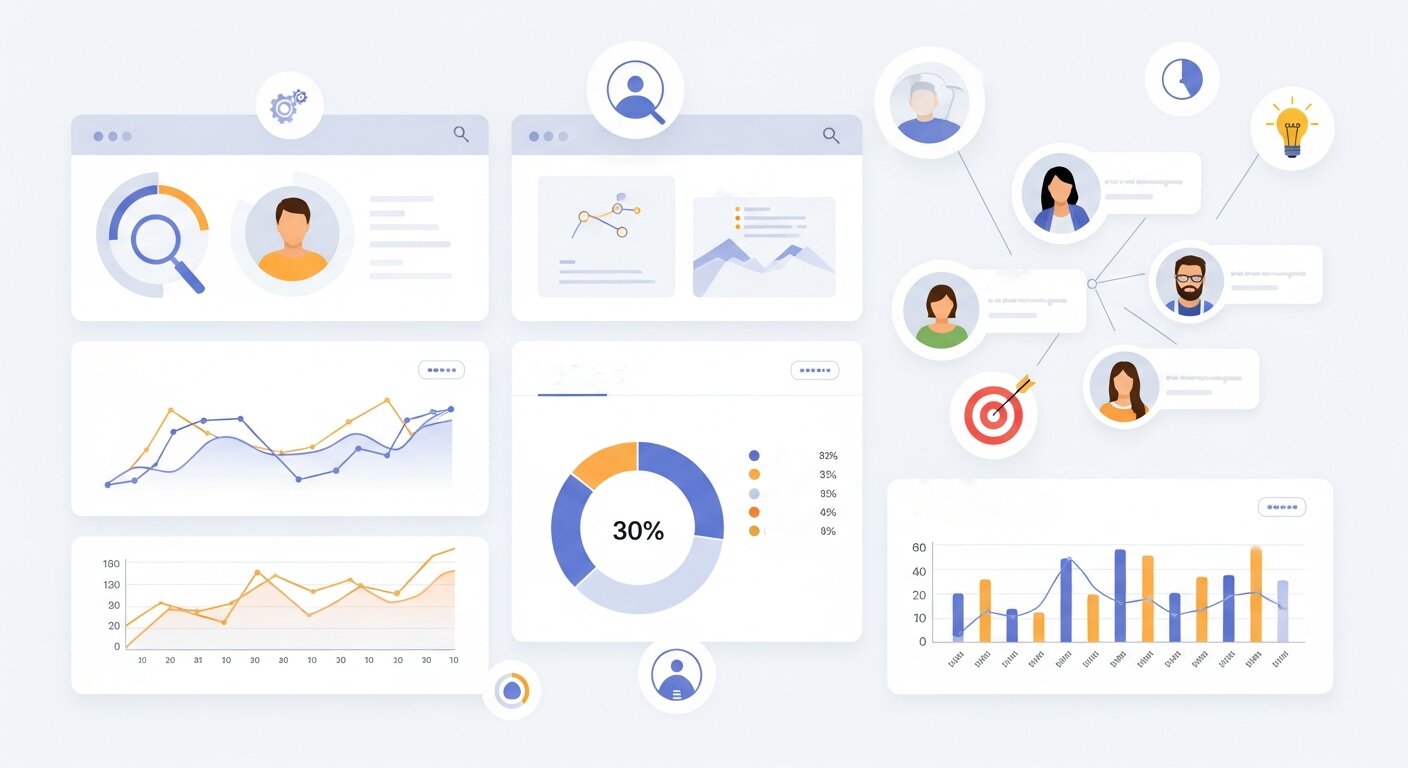
What is Data-Driven Marketing? Data-driven marketing is the strategic practice of using data insights to guide, inform, and optimize a brand’s marketing efforts. By capturing and analyzing customer behavioral patterns, preferences, and demographic information, businesses can make informed decisions rather than relying on assumptions. This approach allows organizations to deliver highly personalized messages, create more meaningful customer experiences, and ultimately generate greater value for both the brand and its audience. Data-driven marketing not only focuses on understanding what customers want but also predicts future behaviors, helping brands stay proactive and competitive in a rapidly changing market.
Why does it matter?
Understanding what is data-driven marketing is crucial because decisions based on real data are far more effective than those based on intuition alone. By leveraging accurate insights, marketers can align their campaigns with actual customer needs, reduce wasted advertising spend, and significantly improve return on investment (ROI). Learn more about boosting ROI with data-driven financial marketing.
Whether targeting a single individual or millions of potential customers, data-driven strategies enable brands to optimize every touchpoint—from personalized email campaigns and social media ads to website experiences and loyalty programs. In today’s competitive landscape, businesses that embrace data-driven marketing gain a measurable advantage by creating campaigns that resonate, perform better, and build long-term customer loyalty. For practical examples, see 5 examples of data-driven marketing and why they work.
The Fundamentals of Data-Driven Marketing
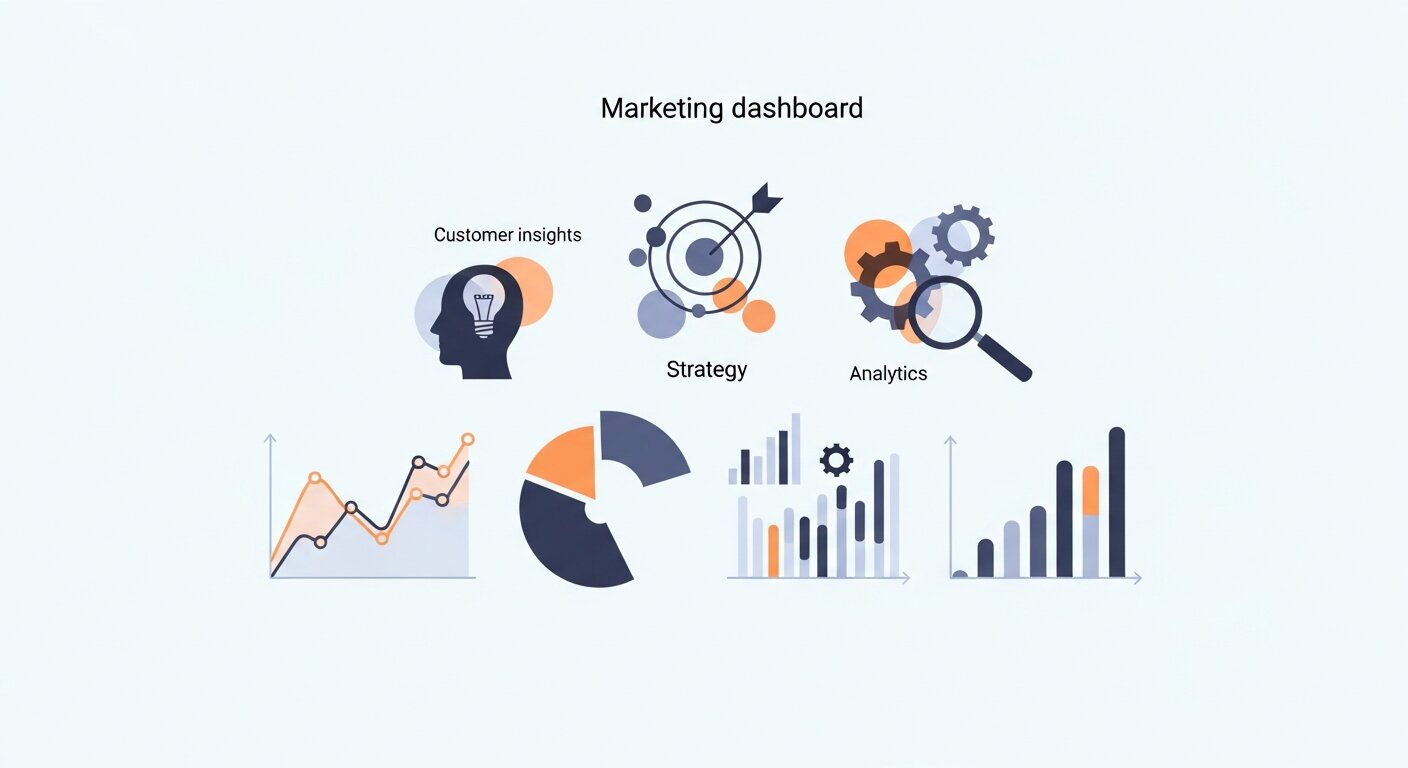
Bootstrapping Data-Driven Marketing
To be successful with a data-driven marketing approach, it’s essential to first understand the foundational principles. Bootstrapping data-driven marketing means starting small, using available data effectively, and gradually building a system that informs every marketing decision. This involves identifying key metrics, tracking customer behavior, analyzing engagement patterns, and leveraging insights to refine campaigns over time. Even without large budgets or complex tools, brands can begin by collecting simple demographic and behavioral data, monitoring website and social media performance, and experimenting with personalized messaging. By mastering these basics, businesses can create a strong data-driven marketing framework that grows in sophistication as their resources and data capabilities expand. To be successful with a data-driven marketing approach, you need to know the basics:
Data Collection
The first step of any data-driven marketing is to gather and collect the data. Companies monitor how their customers interact across different touchpoints — from site visits and social media interactions to purchase history and email click-through rates. Common data sources include:
- CRM (customer relationship management) tools
- Tourism website analytics platform (such as Google Analytics)
- Experience with ad performance on platforms like Google Ads or Facebook
- Survey and feedback form
Data Analysis
The data having been collected, what to do with it? Through it, trends and patterns are uncovered and insights are gained that can influence marketing strategies. For example:
- Do any customer groups tend to purchase more during discount days?
- What are the most clicked product categories?
- What is the Users Behavior at your E-commerce?
Marketers can uncover actionable intelligence using tooling such as Tableau or Excel.
Data Application
Any insight is worthless if not acted upon. The third principle is about turning the insights derived from the data into action. This could be crafting personalized campaigns, customizing customer communications or refining product recommendations in relation to user wants.
For a clear roadmap on using data effectively, see how to build a data-driven marketing strategy.
The Advantages of Using Data Driven Marketing
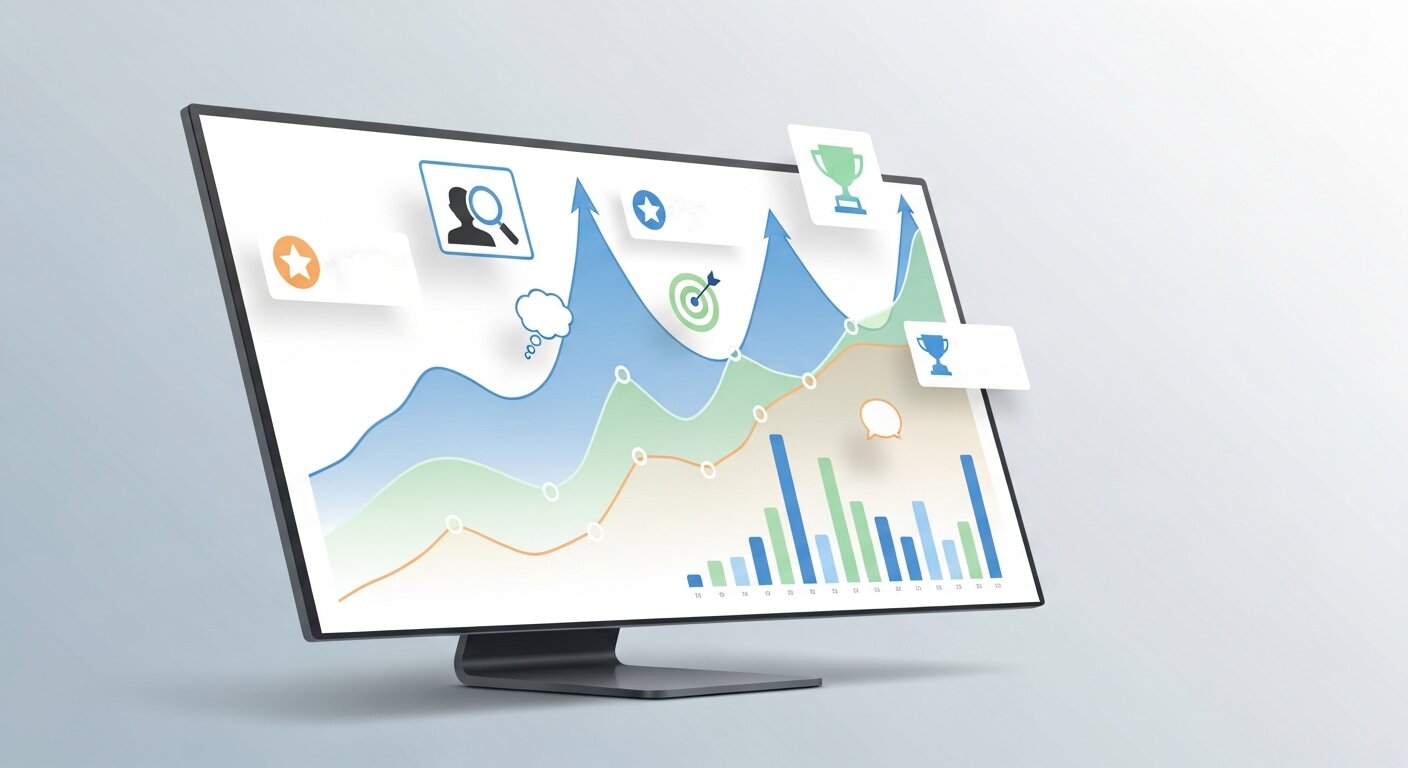
Why go data-driven in your marketing? Here’s what using customer data can do for your business:
Improved Targeting
A core benefit of data-driven marketing is the ability to target hyper-specific customer segments with precision. By analyzing demographics, online behavior, purchase history, and engagement patterns, brands can ensure the right audience sees the right message at the right time. This focused approach increases engagement, boosts conversion rates, and reduces wasted spend on campaigns that don’t resonate. For anyone learning what is data-driven marketing, targeting the right audience is one of the most tangible results.
Tailored Experiences
Today’s consumers are selective and often ignore generic campaigns. Data-driven marketing allows brands to create highly personalized experiences—dynamic website content, targeted emails, customized product recommendations, and special offers—all based on real customer insights. By understanding what is data-driven marketing, businesses can appreciate how tailoring each interaction increases customer loyalty, repeat purchases, and overall brand satisfaction.
Better ROI
Another advantage of data-driven marketing is the measurable improvement in return on investment (ROI). By tracking campaign performance and analyzing which tactics are effective, companies can allocate resources to strategies that produce results. Knowing what is data-driven marketing means recognizing how insights from data help optimize campaigns in real time, reduce wasted spend, and make every marketing dollar count toward growth and long-term success.
Enhanced Decision-Making
Data eliminates guesswork and enables intelligent, measurable decisions.
You can also explore why data-driven marketing is a game-changer for modern brands.
Founding Of The Data-Driven Marketing Strategy
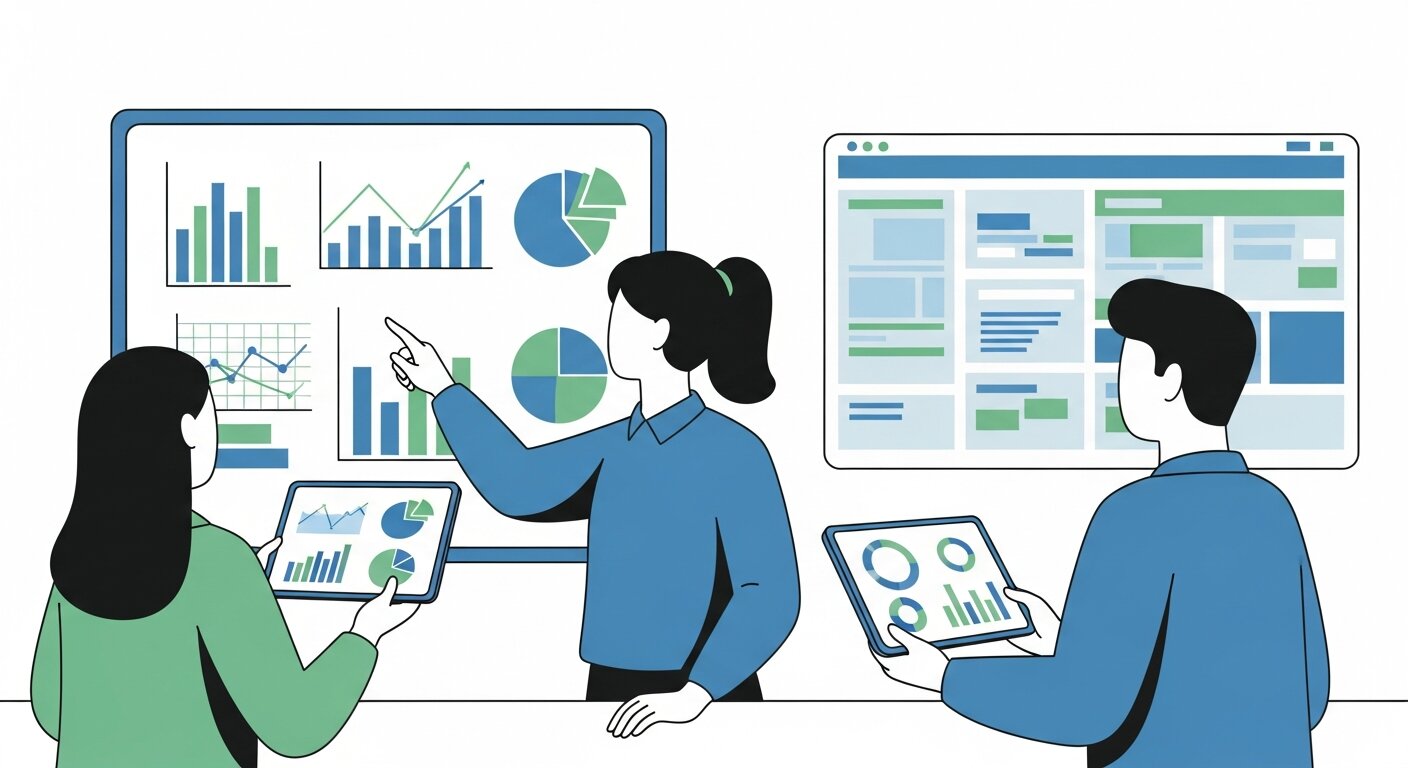
Set Clear Goals
The foundation of any successful data-driven marketing strategy is setting clear, measurable goals. Start by defining what you want to achieve, such as increasing website traffic, boosting online sales, growing your social media following, or improving email open and click-through rates. Understanding what is data-driven marketing means recognizing that goals should be tied to actionable metrics. Clear objectives provide direction for collecting data, designing campaigns, and evaluating success.
Collect Actionable Data
Once your goals are defined, focus on gathering actionable data from multiple sources. This includes website analytics, CRM insights, purchase history, social media interactions, and customer feedback. When collecting data, always prioritize your audience’s privacy and comply with laws like GDPR and CCPA. Knowing what is data-driven marketing means understanding that quality, relevant data—not just quantity—drives smarter decisions and meaningful customer insights.
Use Segmentation
Audience segmentation is a critical component of data-driven marketing. Divide your audience into well-defined groups based on demographics, interests, behaviors, purchase history, and engagement patterns. Segmentation allows brands to deliver more relevant content and offers, making campaigns more effective. By segmenting your audience strategically, businesses can personalize communications in a way that resonates with each group, which is a key principle of understanding what is data-driven marketing.
Create Targeted Campaigns
Use the insights gained from data collection and segmentation to design highly targeted campaigns. Tailor messaging, offers, and content to each audience segment. For example, retarget users who abandoned their shopping carts with personalized emails offering a discount or exclusive product recommendations. Targeted campaigns not only improve engagement and conversions but also help maximize the return on investment, which is at the heart of data-driven marketing.
Constantly Monitor and Adjust
A true data-driven marketing approach is never static. Continuously monitor your campaigns using analytics tools to track key performance indicators (KPIs), such as conversions, click-through rates, and customer engagement. Use these insights to amplify strategies that work and adjust those that underperform. This iterative process ensures campaigns remain effective, relevant, and aligned with business goals, illustrating exactly what is data-driven marketing in practice.
Data-Driven Marketing in the Wild
Personalized Movie and TV Recommendations on Netflix
Netflix is a prime example of how companies can leverage data to create highly personalized experiences. The platform collects extensive viewer data, including watch history, viewing patterns, search behavior, and even pause or rewind actions. By analyzing this information, Netflix can recommend TV shows and movies tailored to each user’s tastes, keeping engagement high and subscribers coming back for more. The recommendation system not only enhances user satisfaction but also optimizes content discovery, ensuring that users spend more time on the platform.
Spotify Wrapped
Spotify’s annual Wrapped feature is a creative demonstration of data-driven personalization. By analyzing each user’s listening habits over the year, Spotify creates a detailed snapshot of their favorite songs, artists, genres, and listening times. This personalized summary encourages users to share their results on social media, boosting organic engagement and brand visibility. Beyond its marketing impact, Spotify Wrapped strengthens user loyalty by giving listeners a sense of identity and connection with the platform.
The “Share a Coke” Campaign by Coca-Cola
Coca-Cola’s iconic Share a Coke campaign highlights the power of local data insights. By analyzing regional preferences and social behavior, the brand printed individual names and playful terms on bottles to resonate with consumers personally. This approach sparked social sharing, increased customer engagement, and made hashtags associated with the campaign go viral, both locally and globally. The campaign is often cited as a benchmark for combining creativity with data insights to drive measurable marketing success.
The Challenges of Data-Driven Marketing
As powerful as data-driven marketing is, it comes with challenges:
Privacy Concerns
Handling large amounts of customer data comes with both ethical and legal responsibilities. Companies must adhere to regulations like GDPR and CCPA, and prioritize transparency, consent, and secure storage. Failing to respect privacy can damage customer trust and harm brand reputation.
Data Quality and Accuracy
Data-driven marketing is only as good as the quality of the data used. Incomplete, outdated, or inaccurate datasets can lead to misleading insights and poor decisions. Regular data auditing, cleansing, and validation are essential to maintain accuracy and reliability.
Analysis Complexity
Large and diverse datasets can be difficult to interpret without the right tools or expertise. Complex analysis requires skilled personnel and robust analytics platforms to extract actionable insights efficiently. Without proper handling, valuable insights can be overlooked, slowing decision-making and reducing campaign effectiveness.
The Tools & Tech You Need for Metrics-Based Marketing
Here are essential tools for data-driven marketing:
- Google Analytics – track website usage and traffic patterns
- HubSpot CRM – organize client data
- Tableau – visualize data trends
- Mailchimp – personalized email marketing
- Klaviyo – deep e-commerce and customer analytics
- 3m Teamworks – granular social media reporting
- The Shape of Data-Driven Marketing to Come
The future of data-driven marketing is shaped by innovation in AI and machine learning:
- Predictive Analytics: Forecast customer behavior based on historical data and trends
- Dynamic Personalization: Deliver personalized content in real time
- Chatbots and Conversational AI: Revolutionize customer communication with real-time, personal assistance
Companies investing in these areas now will be ahead of the curve.
Creating a More Intelligent Future for Marketing
Data-driven marketing isn’t just a passing trend—it represents a fundamental shift in how businesses connect with customers and deliver real value. By leveraging reliable customer data, advanced analytics tools, and actionable insights, brands can design campaigns that truly resonate with their audience. Understanding what is data-driven marketing allows companies to move beyond generic strategies and instead create personalized, relevant, and measurable marketing initiatives. This approach not only improves engagement and conversions but also builds stronger long-term relationships with customers.
Equally important to mastering data-driven marketing is managing your personal or brand reputation online. For content creators, influencers, and businesses, a positive digital image can significantly amplify the impact of data-driven campaigns. Monitoring online sentiment, responding thoughtfully to feedback, and maintaining consistent messaging are all essential practices. For a deeper dive into actionable strategies, see our comprehensive guide: How to Manage Your Online Reputation as a Blogger: A Complete Guide. Combining effective data-driven marketing with strong reputation management ensures your brand is not only visible but also trusted and respected in the digital landscape.
Frequently Asked Questions (FAQ)
What is Data-Driven Marketing and its main purpose?
Data-driven marketing is all about using real customer data to guide marketing decisions. The goal is to improve targeting, personalize experiences, and increase ROI. By relying on data rather than guesswork, brands can make smarter, measurable decisions that drive results.
What types of data are most useful for marketers?
Marketers often use demographic data, behavioral data, purchase history, website analytics, CRM insights, and customer feedback. These insights help them understand audience needs and preferences, which is at the core of effective data-driven marketing.
How do companies collect marketing data ethically?
Ethical data collection is essential for data-driven marketing. Businesses must follow privacy laws like GDPR and CCPA, provide transparent consent forms, offer clear opt-in options, and store data securely. Doing so builds trust and ensures long-term customer relationships.
How can data improve customer personalization?
One of the key benefits of data-driven marketing is personalization. Data allows brands to tailor content, recommend relevant products, trigger automated emails, and customize website experiences, making every interaction more relevant and valuable.
What tools help implement a data-driven marketing strategy?
Popular tools for data-driven marketing include Google Analytics, HubSpot CRM, Tableau, Klaviyo, and Mailchimp. These tools help track performance, segment customers, visualize data, and automate campaigns efficiently.
What challenges do businesses face in data-driven marketing?
Businesses often encounter challenges like poor data quality, privacy concerns, inconsistent data sources, and difficulty analyzing large datasets. With the right tools and governance, these obstacles can be managed effectively.
How does AI enhance data-driven marketing?
AI plays a major role in data-driven marketing by enabling predictive analytics, dynamic content personalization, smarter segmentation, chatbots, and automated workflows. This leads to greater efficiency, accuracy, and better marketing outcomes.



Leave a Reply