

The Challenge of Data Integration
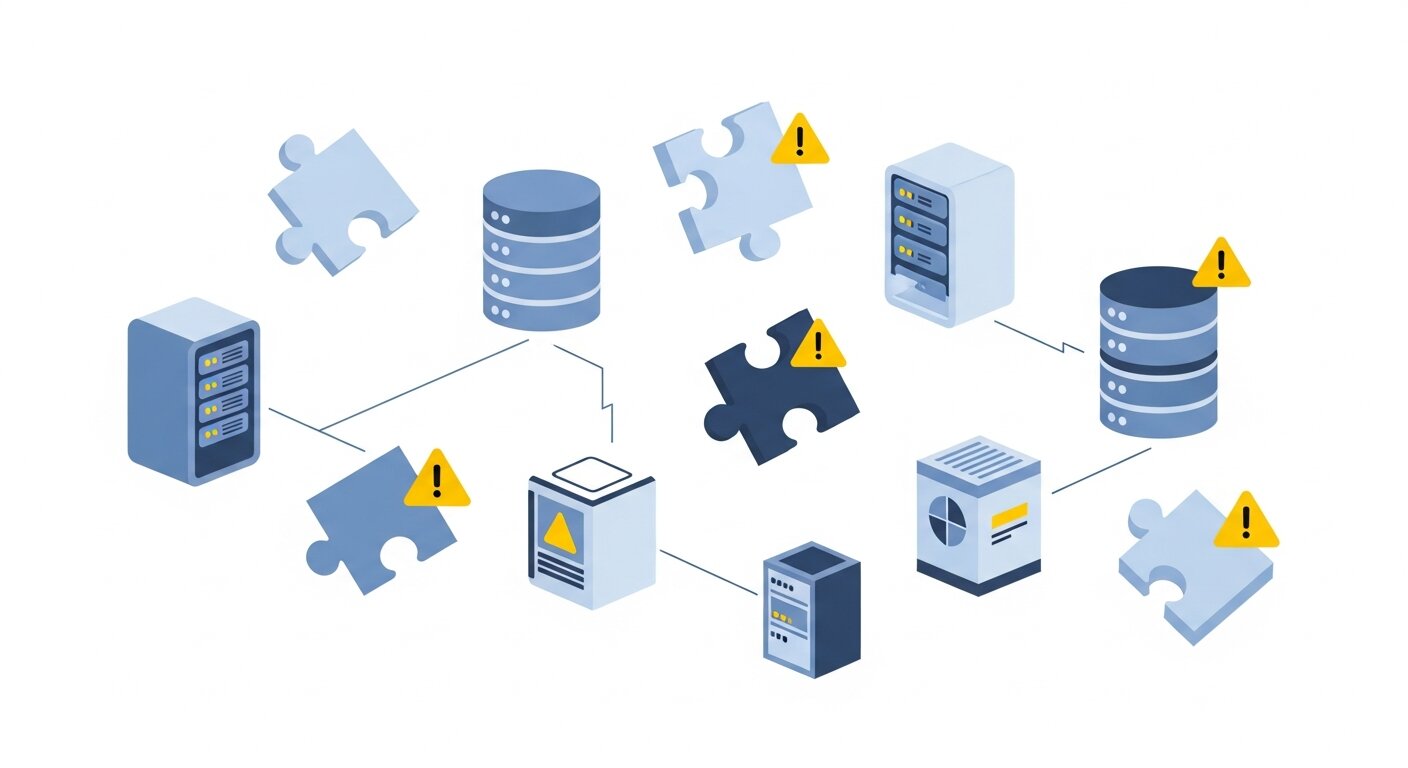
Marketers today manage an overwhelming variety of data sources, each capturing different aspects of the customer journey. Interactions occur across multiple platforms—social media, email campaigns, websites, mobile apps, paid ads, and even in-store visits—creating massive streams of data every second. However, these platforms often store information in separate systems, formats, or tools, making it difficult to combine and interpret effectively. As a result, marketers frequently deal with fragmented datasets that lack consistency and clarity.
The real challenge lies in integrating these diverse data sources into a single, unified view of the customer. For example, connecting website behavior data with CRM records, purchase history, and social media engagement requires advanced tools, proper data mapping, and clean synchronization. Even small inconsistencies—such as duplicate records, mismatched identifiers, or missing fields—can distort insights and lead to inaccurate conclusions. Without a well-planned data integration strategy, marketers struggle to understand the complete customer journey, resulting in missed personalization opportunities, inefficient targeting, and weaker campaign performance. A strong integration framework, supported by automation and data governance, is essential for transforming scattered data into meaningful, actionable intelligence.
Real-World Example
A retail brand once attempted to merge its online shopping data with in-store purchase history to gain a complete understanding of customer behavior. The goal was to track how customers moved between digital and physical channels and use those insights to improve personalization and increase sales. However, differences in how the data was collected—such as inconsistent customer IDs, missing transaction details, and mismatched time stamps—created fragmented and unreliable datasets. Instead of a clear, unified customer profile, the brand ended up with disconnected insights that failed to reveal accurate buying patterns.
As a result, the company missed valuable opportunities to cross-sell related products, deliver personalized offers, and create targeted marketing campaigns. Promotions were often sent to the wrong audience, and customer preferences were not fully understood, reducing campaign effectiveness and engagement. This example highlights why marketers need robust data platforms and integration solutions capable of extracting, cleaning, and synchronizing data from multiple sources. For businesses looking to improve their campaigns, see data-driven growth marketing. With proper data management, automation, and validation processes in place, businesses can eliminate duplicates, correct inconsistencies, and transform scattered information into accurate, actionable insights that drive smarter marketing decisions.
Data Silos and Communication Breakdown
What are Data Silos?
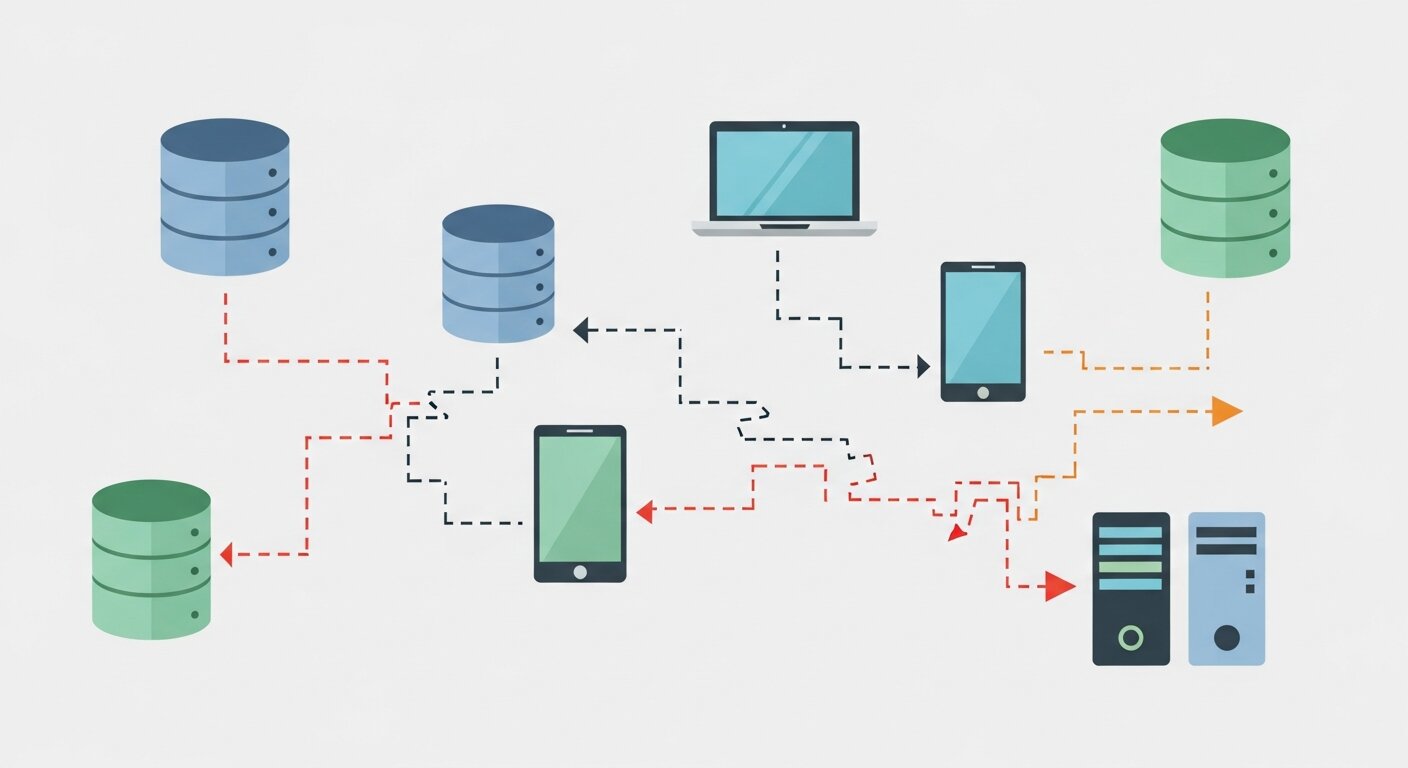
Data silos occur when information is stored in separate departments or systems and isn’t accessible across teams. For example, the sales team has access to customer purchase data, while the social media team only sees engagement metrics. Without a free flow of information, collaboration suffers.
Impact of Data Silos on Marketing Efforts
When key pieces of information are isolated, critical insights get overlooked. Team strategies become misaligned, leading to campaigns that fail to bridge the gap between audience needs and messaging.
Take, for instance, a marketing team launching a promotion for long-time customers. If customer service data about dissatisfied clients isn’t shared, the promotion might get sent to individuals who recently had a bad experience, amplifying their dissatisfaction.
Breaking Down Silos
- Centralized Data Hubs: Implement tools or platforms that consolidate organizational data into a single source of truth.
- Inter-Department Communication: Foster collaboration through regular cross-department check-ins and shared objectives.
- Data Governance: Establish governance frameworks to standardize how data is shared across teams.
Lack of Data Literacy
What is Data Literacy?
Data literacy is the ability of individuals to understand, interpret, and act on data insights. It’s a skill that is essential in modern marketing. Understanding metrics like CAC (Customer Acquisition Cost), CTR (Click-Through Rate), and conversion rates requires foundational knowledge—but it’s just the beginning. You can boost data literacy with guidance from how to build a data-driven marketing organization.
The Problem Marketers Face
Despite the influx of data, not all marketers feel equipped to interpret it accurately. Overwhelmed with jargon and technical complexities, teams may default to surface-level metrics, missing out on deeper insights that could transform strategies.
Tips to Improve Data Literacy
- Training Programs: Host workshops or invest in certifications that equip your teams with the skills to interpret and act on data.
- Simplified Dashboards: Use tools that present data in user-friendly formats with visualizations like charts or graphs for easy comprehension.
- Data Culture: Build an organization-wide appreciation for data, emphasizing its relevance across all roles.
Overcoming Data Challenges
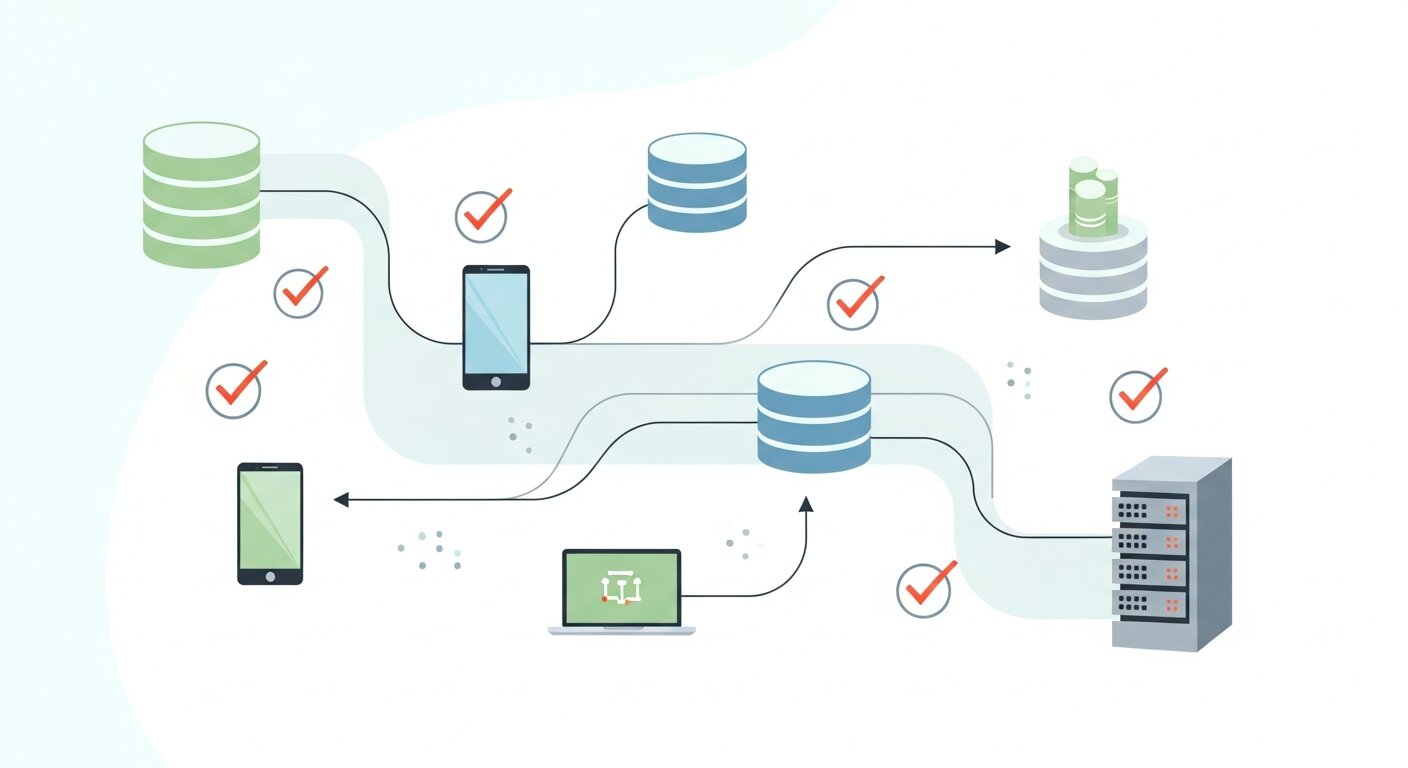
Overcoming data-related challenges requires more than just adopting new tools—it demands a well-defined strategy, strong processes, and a culture that values data-driven decision-making. Many marketers struggle not because of a lack of data, but because they lack clarity on how to organize, interpret, and apply it effectively. To move forward, businesses must first identify where their biggest data gaps exist, whether in integration, analysis, or execution, and then address those gaps with targeted solutions. For more insights, see data-driven decision-making in marketing.
A key step is building a structured data ecosystem where information flows seamlessly across platforms and departments. This involves investing in reliable data management systems, ensuring data accuracy through regular audits, and creating standardized processes for data collection and usage. Equally important is empowering teams with the skills and confidence to interpret data correctly. When marketers understand how to translate raw numbers into actionable insights, they can make smarter decisions, optimize campaigns in real time, and uncover new growth opportunities.
Ultimately, overcoming data challenges is about turning complexity into clarity. With the right strategy, technology, and mindset, marketers can transform scattered information into meaningful intelligence that drives stronger performance, better customer experiences, and long-term competitive advantage.
Use Data Management Platforms (DMPs)
DMPs allow brands to collect data from diverse sources, organize it, and use it for targeted campaigns. Platforms like Salesforce and Oracle BlueKai are popular choices for gaining a centralized customer view and automating segmentation. Learn more about AI data entry automation to further streamline marketing processes.
The Importance of Data Governance
Simply having tools in place isn’t enough. Strong governance establishes protocols for how data is collected, stored, and used. Such frameworks ensure data accuracy, compliance with regulations like GDPR, and ethical use of consumer information.
Actionable Strategies
- Start small. Identify one or two key areas where data can drive improvement (e.g., email personalization).
- Partner with tech experts or external consultants to implement scalable solutions.
- Regularly audit your data practices and tools to ensure effectiveness and compliance.
Case Study: Four Seasons Hotel Success with Data-Driven Marketing
Key Initiatives
- Predictive Analytics: They used AI to analyze guest preferences and tailor travel recommendations.
- Localized Campaigns: Marketing efforts were refined based on regional traveler behavior, driving higher engagement.
- Feedback Loops: Post-stay feedback was analyzed to identify areas of improvement, directly feeding back into marketing strategies.
Results
This robust approach led to higher customer satisfaction scores and a notable increase in repeat bookings. It demonstrated how data-driven strategies, when executed authentically, could fortify both short-term and long-term marketing goals.
Lessons Learned
- Data integration and personalization can significantly elevate customer experiences.
- Regularly revisiting and updating your data strategy ensures long-term relevancy.
Start Leveraging Data
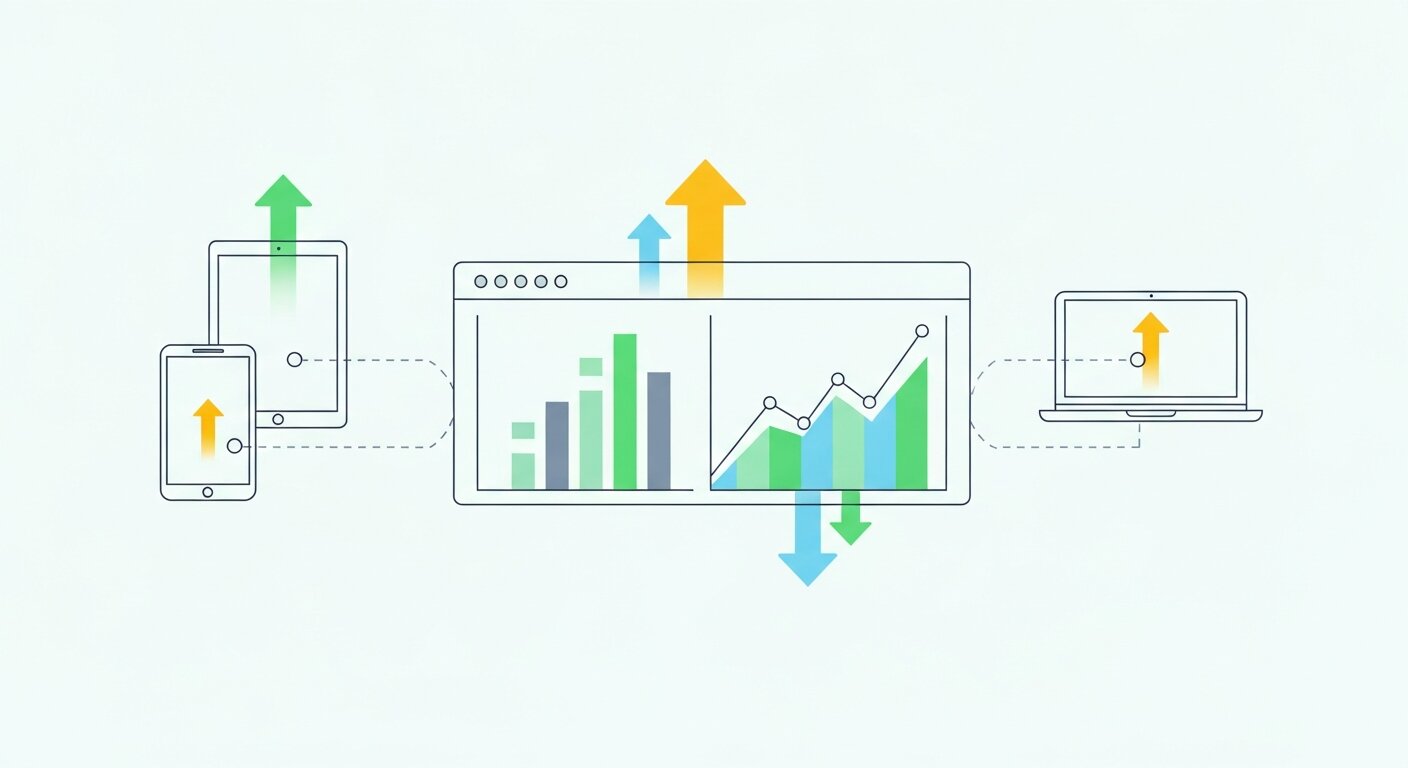
Data-driven marketing isn’t without its challenges, but the long-term benefits far outweigh the initial hurdles. Many organizations find that Marketers Struggle with Data-Driven Marketing due to fragmented systems, limited data literacy, and difficulty turning raw data into meaningful insights. However, by addressing integration issues, improving analytical skills, and breaking down data silos, businesses can unlock powerful intelligence that fuels smarter decisions, more personalized campaigns, and stronger customer relationships. The Four Seasons Hotel stands as a real-world example of how the right data strategy can transform customer engagement and drive measurable growth.
Success begins with small, strategic steps. Focus on building a unified data foundation, invest in tools that simplify analysis, and encourage a culture where data guides decision-making at every level. Over time, these efforts compound into improved marketing performance, higher ROI, and a deeper understanding of your audience. If Marketers Struggle with Data-Driven Marketing, the key is not to avoid data but to use it more effectively and consistently.
It’s time to move beyond the challenges and start leveraging data as a true competitive advantage. Begin optimizing your strategy today to position your business for long-term success in an increasingly data-driven world. Still feeling overwhelmed or unsure where to start? Reach out to our experts for a free consultation, and we’ll help you build practical, results-driven strategies tailored to your goals.
Frequently Asked Questions (FAQ)
Why do marketers struggle with data-driven marketing?
Marketers struggle with data-driven marketing due to challenges like data integration, lack of data literacy, siloed information, and cultural resistance. Without proper tools, training, and strategy, even abundant data can remain underutilized.
How can small businesses overcome data challenges?
Even small businesses can leverage scalable cloud tools, analytics dashboards, and automated workflows to centralize data. Focusing on one or two key areas initially, such as email personalization or customer segmentation, can create immediate improvements.
What role does data literacy play in marketing success?
Data literacy ensures that teams can interpret metrics like CAC, CTR, or conversion rates and translate them into actionable campaigns. Low literacy is a key reason why marketers struggle with data-driven marketing.
Can technology fully solve these marketing challenges?
Technology is essential but not sufficient. While tools like CDPs, predictive analytics, and AI simplify data processing, organizational culture, collaboration, and leadership buy-in are equally important to ensure insights are applied effectively.
How can a case study like Four Seasons Hotel guide marketers?
The Four Seasons demonstrates how data integration, predictive analytics, and personalized campaigns can elevate customer experiences and business outcomes. Brands can adopt similar approaches to overcome hurdles that often lead to why marketers struggle with data-driven marketing.
How does poor data quality affect marketing performance?
Poor data quality leads to inaccurate insights, misaligned targeting, and ineffective campaigns. One major reason marketers struggle with data-driven marketing is relying on incomplete, outdated, or inconsistent data, which can distort decision-making and reduce ROI.
What is the biggest mistake companies make with data-driven marketing?
The biggest mistake is collecting large volumes of data without a clear strategy for using it. Many marketers struggle with data-driven marketing because they focus on gathering data rather than transforming it into actionable insights that drive campaigns and customer engagement.
How long does it take to see results from data-driven marketing?
Results vary depending on implementation and strategy, but many businesses start seeing measurable improvements within a few months. When marketers struggle with data-driven marketing, it’s often due to unrealistic expectations or lack of consistent optimization.
Can AI reduce the challenges marketers face with data?
Yes, AI can automate analysis, identify patterns, and generate predictive insights. However, marketers struggle with data-driven marketing even with AI if they lack proper data structure, strategy, or understanding of how to apply AI-driven insights effectively.
How can organizations prevent marketers from struggling with data-driven marketing in the future?
Organizations should invest in data literacy, centralized platforms, strong governance, and a data-driven culture. When teams are trained, aligned, and equipped with the right tools, marketers struggle with data-driven marketing far less and can fully leverage insights for growth.



Leave a Reply