

Data-driven marketing is much better for business. That’s right, marrying the age of personalization with the era of big data, this tactic allows brands to serve tailored messaging that speaks to actual people. The result? More engagement, more customer retention, and better ROI.
But what, exactly, is personalized, data-driven marketing? How does it work, and why does it matter? In this blog, we delve into the fundamentals, advantages, and hurdles to help you truly understand the potential of black hat link building and what it can do for your marketing.
What is Personalized Data-Driven Marketing
But before we dive into the world of personalization and data, let’s unpack it.
What is One-to-One Marketing
The concept of personalized marketing means precisely what the name suggests – using marketing techniques that tailor to the wants and needs of a very specific audience and individual customers. Whether you’re using a customer’s name in an email campaign, suggesting products that are perfect for that customer, or personalizing ads based on browsing history, personalization contributes to that feeling that comes with being known and valued.
Netflix’s recommendation engine is a simplified form of personalized marketing, for example. Using an examination of past viewing, the service recommends shows and movies it believes you will like. This ultimately improves the overall functionality and calls for more interactions with the platform.
What is Data-Driven Marketing
Yet, data-driven marketing is the term used to describe marketing that relies on data coming from different sources in order to work better. The information can range from demographics and purchase history to online behavior, social media use, and beyond. Using insights obtained from data, marketers take a calculated guess as to who, when, and how to communicate.
For instance, an online shopping site could study purchase data to figure out what time of day people are most likely to buy. Armed with this knowledge, they can time their promotional scheduling for the greatest effect.
The Intersection of Personalized Data Driven Marketing
 Personalized Marketing | DWH | Marketing | Targeted Marketing
When data converges with personalization, magic occurs. Tailored statistics-based marketing appeals to the individual, creating customized content and experiences. This way, every interaction a potential client has with your brand appears to be relevant and meaningful.
Picture getting an email from a retailer as you shop for winter coats. Rather than generic offers, your email recommends jackets that reflect the way you like to dress and are available in your size, shows you ads that are live in your city, and suggests items you’ve bought in the past. Hyper-relevant marketing like this is only feasible with strong data and personalization in place.
Key Components of a Data-Driven Marketing Strategy
Paragraph:
A successful data-driven marketing strategy requires a combination of technology, talent, and processes. By focusing on these key components, businesses can create campaigns that resonate with their audience and drive measurable results.
Key Points:
- Data Collection: Gather data from multiple sources, such as website analytics, social media, and customer feedback.
- Data Analysis: Use AI and machine learning tools to extract actionable insights from raw data.
- Personalization: Tailor messages and offers based on customer preferences and behavior.
- Automation: Implement marketing automation tools to deliver personalized content at scale.
- Performance Tracking: Continuously monitor and optimize campaigns using key performance indicators (KPIs).
Tools for Data-Driven Marketing
| Tool Type | Examples | Purpose |
|---|---|---|
| CRM Systems | Salesforce, HubSpot | Manage customer relationships |
| Analytics Platforms | Google Analytics, Tableau | Analyze data and extract insights |
| Marketing Automation | Marketo, Mailchimp | Automate personalized campaigns |
| AI and Machine Learning | IBM Watson, H2O.ai | Predict customer behavior and trends |
| Data Visualization Tools | Power BI, Looker | Present data in an understandable format |
How to Build a Strong Data-Driven Framework
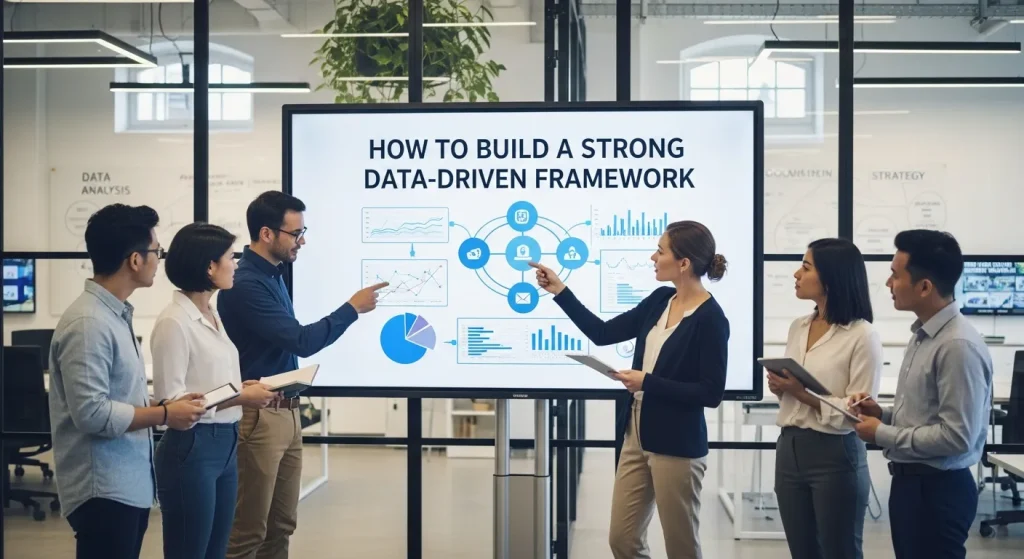 Creating a successful approach to modern advertising often feels overwhelming, but think of this section as your data-driven marketing a quick guide to getting started. The foundation of any robust framework lies in the quality of your information. You cannot build a personalized experience on shaky ground, so the first step is always consolidating your data sources. Many businesses have customer information scattered across sales software, email platforms, and website analytics. Bringing this all together into a single view—often called a “single source of truth”—is essential.
Once you have unified your data, the next phase involves segmentation. This isn’t just about grouping people by age or location anymore. It is about understanding behavior. You need to look at how people interact with your brand over time. Are they browsing but not buying? do they only open emails on weekends? This behavioral data allows you to create segments that are meaningful and actionable. When you base your decisions on these deep insights rather than gut feelings, you move from generic broadcasting to genuine conversation. This shift is the core of a functional data-driven marketing strategy, turning raw numbers into relationships that drive revenue.
The Advantages of Personalized and Data-Driven Marketing
More Engagement and Conversions
Customized communication would guarantee that the most appropriate message gets to the right user at the right time. This method rises click through rates, customer interactions, and leads, obviously. Personalized emails get 29% higher open rates and 41% higher click rates than emails without personalization, research shows.
Enhanced Customer Loyalty
When customers know that a brand really gets who they are and what they want, it promotes trust reliability. The emotional attachment between the customer and the brand is stronger when the marketing is personalized, and this often translates into a long-term commitment to the brand. For instance, customers tend to be more engaged with a loyalty programmer that offers personalized rewards based on purchase history than a one which doesn’t.
Improved ROI
Data-informed decisions are based on real insights, with no guessing, so nothing is wasted. When you reach the right people with the right story, you not only spend your resources more effectively – you also achieve the highest return on investment (ROI).
The Unique Power of B2B Data-Driven Marketing
While we often associate personalization with consumer brands like Netflix or Amazon, the impact on the professional world is just as profound. B2B data-driven marketing requires a slightly different touch because the sales cycles are longer and the decisions involve more people. In this context, personalization isn’t just about recommending a product; it is about providing relevant content that solves specific business problems at the right moment in the buyer’s journey.
Imagine a software company trying to sell to a large enterprise. Instead of sending a generic “buy now” email, they use data to see that a potential client has been reading articles about cybersecurity on their blog. A data-driven approach would trigger a personalized email sending them a whitepaper on enterprise security solutions. This level of relevance builds authority and trust. It shows that you understand their specific pain points. When companies use data-driven marketing in the B2B space effectively, they align their sales and marketing teams around the same insights, ensuring that every touchpoint—from the first ad to the final sales call—feels consistent and tailored to the client’s specific needs.
Essential Steps for Long-Term Success
Implementing these strategies is not a one-time project but an ongoing process of learning and refining. Any comprehensive data-driven marketing guide will tell you that testing is non-negotiable. You must be willing to experiment with different messages, channels, and segments to see what truly resonates. A/B testing should become a standard part of your routine. By constantly pitting one headline or image against another, you let the audience tell you what they prefer through their actions.
Furthermore, success requires a culture shift within your organization. It is not enough to just buy the right tools; you need a team that thinks analytically. This means encouraging curiosity and allowing team members to question assumptions based on the data they see. When your entire organization embraces this mindset, you stop chasing trends and start building sustainable growth. You move away from “we think this will work” to “the data shows this works.” This cultural pivot is what separates businesses that merely collect data from those that actually leverage it to dominate their market and serve their customers better.
Real-World Examples of Personalized Data-Driven Marketing
Paragraph:
Many companies have successfully implemented personalized data-driven marketing strategies to achieve remarkable results. These examples highlight how data and personalization can transform customer experiences and drive business growth.
Key Points:
- Netflix: Uses viewing history to recommend shows and movies tailored to individual preferences.
- Amazon: Leverages purchase history and browsing behavior to suggest products and create personalized shopping experiences.
- Spotify: Creates personalized playlists like “Discover Weekly” based on listening habits.
- Coca-Cola: Launched the “Share a Coke” campaign, personalizing bottles with customer names to boost engagement.
Impact of Personalized Marketing
| Company | Strategy | Result |
|---|---|---|
| Netflix | Personalized recommendations | Increased user retention and engagement |
| Amazon | Product suggestions | Higher conversion rates |
| Spotify | Customized playlists | Improved user satisfaction |
| Coca-Cola | Name personalization on products | Boosted sales and brand loyalty |
Challenges and Considerations
 The case for doing so is clear – and given the challenges involved, data-driven personalized marketing is something that cannot come soon enough.
Data Privacy and Security
Power without accountability is a dangerous thing indeed. Gathering and utilizing customer’s data involves transparency, ethical conduct and compliance with data privacy legislations, like GDPR and CCPA. Poor handling of the data of your customers could result in data privacy breaches, fines and can ruin your brand reputation permanently.
Implementation Complexity
Creating an effective personalized, data-driven marketing strategy takes sophisticated tooling, talent, and solid platform integration. Companies that do not have a strong tech stack will struggle with AI-driven algorithms to process enormous datasets and deliver personalization in real time.
The Future of Marketing Is Personal and Data-Driven
Hype personalized, data-driven marketing isn’t just a tool in your kit anymore; it’s the new normal. Customers want personalized experiences, and businesses who meet that demand can benefit from more satisfied customers and better outcomes.
Get ahead by investing in the right technologies, building an ethical foundation for how you use data and a strategy that puts customers at the heart of everything you do.
Now keep yourself a step ahead in the marketing game! Start your metamorphosis now with tools and insights that enable personalized, data-driven marketing for your brand.
Frequently Asked Questions (FAQs)
1. What is personalized data-driven marketing?
Personalized data-driven marketing combines the power of personalization with data insights to create tailored messages and experiences. It helps businesses engage customers effectively, improve loyalty, and achieve better ROI through targeted strategies.
2. How does data-driven marketing work?
Data-driven marketing works by collecting and analyzing data from various sources, such as demographics, purchase history, and online behavior. This information helps marketers create targeted campaigns that resonate with specific audiences and drive results.
3. Why is personalized marketing important?
Personalized marketing is important because it builds trust and strengthens customer relationships. By delivering relevant and tailored experiences, businesses can enhance engagement, foster loyalty, and make customers feel valued and understood.
4. What are the benefits of data-driven marketing?
Data-driven marketing offers numerous benefits, including higher engagement, improved customer loyalty, and better ROI. By targeting the right audience with the right message, businesses can optimize resources and achieve measurable success.
5. What challenges do companies face with personalized data-driven marketing?
Companies face challenges like ensuring data privacy, complying with regulations such as GDPR, and managing the complexity of implementing advanced tools and technologies. Overcoming these hurdles requires robust systems and ethical practices.
6. How do companies use data-driven marketing?
Companies use data-driven marketing by analyzing customer data to optimize campaigns, personalize offers, and predict behavior. This approach helps them deliver relevant content, improve customer experiences, and achieve better marketing outcomes.
7. What tools are needed for personalized data-driven marketing?
Personalized data-driven marketing requires tools like CRM systems, AI-driven analytics platforms, and marketing automation software. These tools help businesses collect, analyze, and act on data to deliver personalized experiences at scale.
8. How does data-driven marketing improve ROI?
Data-driven marketing improves ROI by eliminating guesswork and targeting the right audience with precision. By using actionable insights, businesses can reduce wasted resources and achieve higher returns on their marketing investments.
9. What industries benefit most from data-driven marketing?
Industries like e-commerce, B2B, retail, and entertainment benefit significantly from data-driven marketing. These sectors use data to personalize customer experiences, optimize campaigns, and drive better engagement and conversions.
10. How can businesses ensure data privacy in marketing?
Businesses can ensure data privacy by complying with laws like GDPR, using secure systems, and being transparent about data collection and usage. Ethical practices build trust and protect brand reputation.



Leave a Reply