

The Role of AI and Automation in Data-Driven Marketing
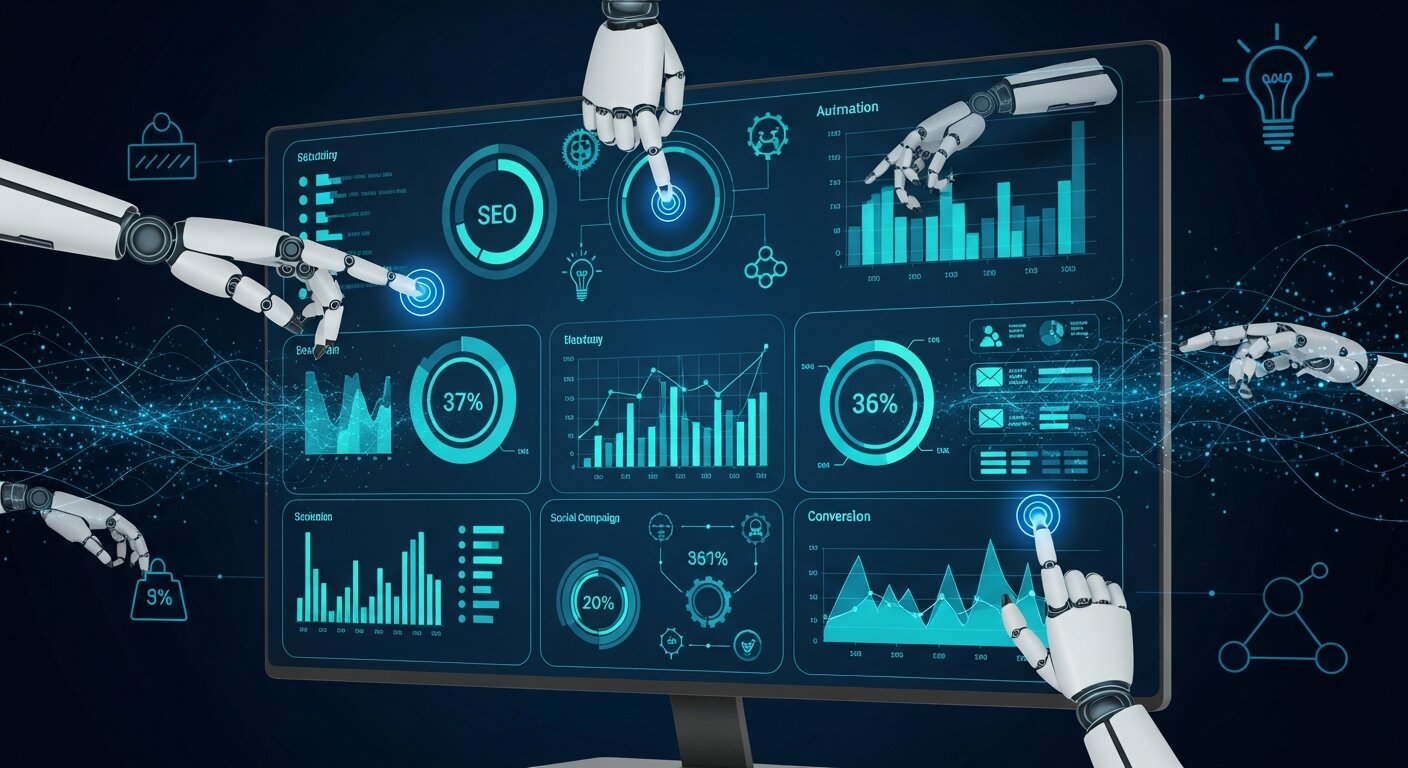
Artificial intelligence and automation are rapidly transforming how marketers collect, analyze, and act on data. Instead of manually sorting through spreadsheets and reports, modern marketers use AI-powered tools to uncover patterns, predict trends, and automate repetitive tasks. This shift allows professionals to focus more on strategy, creativity, and customer experience rather than operational work.
Machine learning algorithms can forecast customer behavior, identify high-value prospects, and recommend the best channels for engagement. Marketing automation platforms streamline workflows such as email sequencing, lead nurturing, and customer segmentation. As businesses increasingly adopt intelligent automation, professionals pursuing a Career in Data-Driven Marketing gain a strong competitive advantage by mastering these technologies. Understanding how to combine human creativity with machine intelligence is becoming one of the most valuable skills in modern marketing.
Better Decision Making through Real-Time Analytics
Believe it or not, the true strength of data-driven marketing lies in its ability to enable informed decision-making using insights available in real time. Unlike traditional marketing, which often relies on assumptions, historical trends, or gut feelings, data-driven approaches provide marketers with immediate access to actionable data. This includes customer behavior patterns, demographic details, engagement metrics, and campaign performance indicators. By analyzing this information as it comes in, marketers can quickly identify what strategies are working, detect issues before they escalate, and adjust campaigns on the fly. Real-time analytics not only reduces the risks associated with decision-making but also empowers teams to be proactive rather than reactive, allowing marketing efforts to remain agile, precise, and highly responsive to the ever-changing needs of the audience.
For instance:
- Digital tools like Google Analytics or a customer relationship management (CRM) system deliver data in real time on how users are engaging with your campaigns.
- Tools like click-through rates (CTR), conversion rates, and bounce rates allow marketers to pivot strategies on a dime anytime something isn’t working.
This real-time feedback loop gives professionals confidence. When you’re dealing with data, you’re not just guessing. You’re making decisions based on hard data, reducing risks, and increasing potential impact.
Why It Matters for Your Career
Experience with real-time analytics tools is increasingly becoming a crucial differentiator for marketers. Employers today are looking for professionals who can not only collect and interpret data but also translate those insights into actionable strategies that drive measurable business results. Being fluent in data allows you to identify trends, predict outcomes, and optimize campaigns in ways that traditional intuition-based approaches simply cannot match. This skill set demonstrates your ability to think critically, make informed decisions quickly, and adapt strategies dynamically—qualities that make you indispensable in a modern marketing team. In essence, mastering real-time analytics elevates your value as a marketer, positioning you as someone who can deliver tangible impact and stay ahead in a highly competitive digital landscape.
Better Targeting and More Personalization
One of the most compelling benefits of data-driven marketing is its ability to deliver highly personalized experiences to customers. Unlike the era of mass marketing, where generic messages were broadcast to broad audiences, today’s consumers expect relevance and individual attention. By leveraging data on website behavior, purchase history, demographic information, and engagement patterns, marketers can segment audiences precisely and create tailored messaging that resonates with each segment. Tools such as HubSpot, Adobe Experience Cloud, and AI-powered analytics platforms allow marketers to automate personalization at scale, from customized email campaigns to targeted advertisements and product recommendations. This not only enhances user experience but also strengthens brand loyalty, increases engagement, and drives higher conversion rates. Data-driven personalization transforms marketing from a guessing game into a precise, customer-focused strategy that delivers measurable results across campaigns.
How Data Drives Precision
- Through visit behavior, purchase data, and demographic information, marketers can build very specific audience segments.
- Products like HubSpot, Market, or Adobe Experience Cloud enable personalized emails, retargeting advertisements , and personalized product recommendations.
- AI analytics go a step further than that by predicting consumer behavior and preferences.
A real-world example? Netflix relies on subscriber data to make suggestions of what to watch, with recommendations guided by recent viewing history. The result? Increased user satisfaction and engagement are going through the roof.
Why It Matters for Your Career

The demand for marketers who can effectively personalize and segment audiences has never been higher. Companies today are not just looking for creative marketers—they want professionals who can combine creativity with analytical skills to deliver measurable impact. As a career in data-driven marketing, developing expertise in tools that support segmentation, personalization, and predictive analytics will make you highly valuable to employers. You’ll gain the ability to design campaigns that are not only targeted but also scalable, ensuring that marketing efforts consistently reach the right audience with the right message. Additionally, by mastering these strategies, your skills will align with the expectations of increasingly savvy consumers who demand relevant, timely, and engaging experiences. Being able to demonstrate proficiency in data-driven personalization positions you as a forward-thinking marketer who can deliver both strategic insight and tangible results.
Higher ROI and Better Marketing Results
Marketing budgets are finite, and businesses constantly seek ways to maximize the return on every dollar spent. Data-driven marketing provides a clear path to higher ROI by replacing guesswork with informed decision-making. By analyzing customer behavior, engagement metrics, and campaign performance, marketers can identify which channels, messages, and strategies generate the greatest impact. This allows campaigns to be hyper-targeted, ensuring resources are focused on initiatives that truly drive results. Predictive analytics further enhances this process by forecasting which tactics are most likely to succeed, helping marketers allocate budgets efficiently and avoid wasted spending. Ultimately, data-driven marketing transforms marketing from a cost center into a measurable growth engine, enabling organizations to achieve better outcomes while continuously refining strategies for even greater effectiveness.
Read more on data-driven marketing ROI and measurement to understand how these insights directly contribute to business growth.
For example:
- Predictive analytics inform marketers which channels are yielding the biggest returns — whether that’s paid social ads, email campaigns, or influencer partnerships.
- Performance metrics inform budget allocation and allow marketers to double down on what’s working, while cutting losses related to tactics that aren’t performing.
A shining example? According to a Google survey, data-driven approaches can make companies 20% likelier to achieve or exceed revenue goals than those that don’t.
Why It Matters for Your Career
Demonstrate to employers that you can deliver measurable results, and you will have job security and access to great opportunities. The disadvantage of creativity is that novelty and originality are hard to measure. Now you can measure it! The old saying was that I know half of my marketing works, but I don’t know which half.” Now people know what works. If you can measure your worth with metrics, you’re irreplaceable.
Perioperative and Adaptation Optimization
That’s the magic of data-driven marketing. Success isn’t static. Campaigns can be continuously optimized to do better and better. By leveraging A/B testing, social media analytics, and seasonal trend data, marketers refine strategies in real time. Check our guide on how to master data-driven decision making for actionable insights.
How Does This Work?
- By leveraging A/B Testing, marketers can find out which versions of their ads, emails, or landing pages are the most effective.
- Social media analytics apps collect engagement insights to refine content strategies on the fly.
- Seasonalities and trends can be managed and utilized with the help of data analysis. For instance, timing seasonal promotions according to customer demand through search trend data.
Data provides the agility you need to tailor your approach and keep your strategies fresh and in tune with the market.
Why It Matters for Your Career
A position in data-driven marketing sharpens your skill at rapidly and effectively changing course. It’s a dynamic field characterized by constant change, which means you’ll never be stuck in a creative or professional rut.
Data Snacks: The Future of Marketing is Experiential Driven by Data
Data-driven marketing is not only a fad, but the future. There are so many articles and news reports that say that those companies that have adopted a data-driven strategic approach to running their business outperform their competition in terms of revenue, customer satisfaction, and brand loyalty.
A once-in-a-lifetime chance for professionals to future-proof their careers! Your data analysis, predictive modeling, and audience segmenting skills have turned into hot commodities in a landscape where content is king and information is your wise old uncle.
The takeaway? If data-driven marketing is on your radar as a potential career, now is the time to jump in. It doesn’t just provide dynamic and rewarding work; you get to deliver value that affects business outcomes.
Final Thought
The world of marketing has changed, and at its center is data. On everything from making smarter decisions at scale to delivering personalized customer experiences, revenue optimization, and channel excellence, data-driven marketing is the gold standard for all marketers.
This is a career opportunity to seize now. Begin practicing today, try the great tools that are available to you, and make your start in data-driven marketing today. And you’ll be running campaigns that not only meet but exceed expectations, with the right level of dedication and insight!
If you’re considering specialized credentials to strengthen your expertise, our guide to account-based marketing certification offers a solid starting point
Frequently Asked Questions (FAQ)
What is a Career in Data-Driven Marketing?
A Career in Data-Driven Marketing focuses on using data analytics, customer insights, and performance metrics to design, optimize, and improve marketing strategies. Professionals rely on data rather than guesswork to achieve measurable results. Learn more in our what is data-driven marketing guide.
Is a Career in Data-Driven Marketing in demand?
Yes, a Career in Data-Driven Marketing is highly in demand as businesses increasingly rely on data to guide decisions, personalize customer experiences, and maximize ROI. Companies actively seek marketers with analytical and technical skills.
What skills are required for a Career in Data-Driven Marketing?
Key skills include data analysis, marketing analytics, customer segmentation, campaign optimization, A/B testing, and familiarity with analytics and automation tools. Strong communication and strategic thinking are also essential.
Can beginners start a Career in Data-Driven Marketing?
Absolutely. Beginners can start a Career in Data-Driven Marketing by learning analytics fundamentals, practicing with marketing tools, earning certifications, and gaining hands-on experience through real or simulated campaigns.
Why is a Career in Data-Driven Marketing considered future-proof?
A Career in Data-Driven Marketing is future-proof because data is becoming the foundation of business decision-making. As technology and analytics continue to evolve, professionals who can interpret and apply data will remain valuable across industries.
How does a Career in Data-Driven Marketing differ from traditional marketing?
A Career in Data-Driven Marketing relies on data insights and analytics to shape strategies, rather than intuition or broad assumptions. Marketers use real-time metrics to optimize campaigns, personalize experiences, and deliver measurable results.
What types of companies hire for a Career in Data-Driven Marketing?
Businesses across e-commerce, tech, healthcare, finance, and media actively hire for this career. Any company that values measurable performance benefits from these roles. Check our post on how companies use data-driven marketing to drive success.
Do I need coding experience for a Career in Data-Driven Marketing?
While not always required, having basic coding or data manipulation skills (like SQL, Python, or Excel) can enhance your Career in Data-Driven Marketing. These skills help analyze complex datasets, automate reports, and gain deeper insights.
What certifications can boost a Career in Data-Driven Marketing?
Certifications in analytics tools, marketing automation, Google Analytics, HubSpot, or AI-driven marketing platforms can significantly boost your Career in Data-Driven Marketing. They demonstrate your expertise to employers and give you an edge in competitive roles.
Can a Career in Data-Driven Marketing be remote?
Yes. Many roles in a Career in Data-Driven Marketing, such as digital analyst, marketing automation specialist, or CRM manager, can be done remotely. With cloud-based analytics tools and collaboration platforms, location is less of a barrier.



Leave a Reply