


Advanced Techniques in Inbound and Outbound Marketing

While the fundamentals of inbound and outbound marketing are essential, businesses that want to stay competitive often explore more advanced strategies. Both approaches can be enhanced with modern technology, data analytics, and customer insights.
For inbound marketing, this could mean leveraging AI-powered content recommendations, personalizing email workflows based on user behavior, or using advanced SEO techniques to target long-tail keywords and intent-driven searches. By studying user journeys and engagement metrics, marketers can continually refine their content to attract the right audience at the right time.
Outbound marketing can also evolve beyond traditional advertising. Modern outbound strategies include highly targeted programmatic advertising, retargeting campaigns on social media, and personalized direct mail that feels less generic and more relevant to the recipient. Combining demographic and behavioral data ensures outbound campaigns reach audiences most likely to convert, maximizing ROI.
Learning the ABC of Marketing
Before we discuss the specifics of inbound and outbound strategies, we need to zoom out and discuss just what marketing, this or any marketing strategy, can and cannot do. There are essentially two tasks at hand in marketing:
- Getting new leads by presenting your services or everything else you sell
- Cultivating customer relationships for long-term loyalty
Inbound marketing vs outbound marketing:
Inbound marketing and outbound marketing both aim to achieve the core objectives of attracting new leads and cultivating long-term customer relationships, but they do so through very different tactics, philosophies, and mindsets. Inbound marketing focuses on drawing prospects toward your brand by providing valuable, relevant, and educational content that addresses their specific needs or pain points. This can include blog posts, SEO-driven guides, webinars, social media engagement, and email campaigns—all designed to nurture trust and guide potential customers along their journey at their own pace. Read more about optimizing these efforts in our data-driven content marketing guide.
Outbound marketing, on the other hand, takes a more proactive approach by pushing your message directly to a wide audience. Traditional examples include TV commercials, radio ads, print campaigns, cold calls, and direct mail, while modern outbound methods often involve display ads, retargeting campaigns, and paid social promotions. The key goal of outbound marketing is to quickly generate awareness, reach large groups of potential customers, and encourage immediate action, even if the audience hasn’t expressed prior interest in your brand.
Both inbound and outbound marketing hold significant value in the modern marketing mix. Many successful businesses do not rely exclusively on one approach; instead, they strategically combine elements of both to maximize reach, engagement, and conversion. For example, outbound campaigns can create initial awareness and bring prospects to your website, where inbound tactics like educational content and lead nurturing take over to deepen engagement and drive conversions. Understanding the strengths, limitations, and appropriate application of each approach allows marketers to design integrated strategies that deliver measurable results and sustainable growth.
What Is Outbound Marketing?
Outbound marketing, also known as traditional marketing, is when you actively push your message out to potential customers. This is a tactic that often aims to capture as many people as it can, regardless of whether they are in the market for what your business offers.
Types of Outbound Marketing That Are Common:
- TV and Radio Advertisements
- Billboards and Print (newspaper or magazine ads, for example)
- Cold Calling
- Direct Mail Campaigns
- Banner Ads or Displayed Ads
Outbound marketers strive to usher the product’s existence to as many people as possible, in the hope it sparks their curiosity. Modern outbound also includes retargeting and social media promotions, as explained in outbound marketing solutions simplified.
Advantages and Disadvantages of Outbound Marketing

Advantages
- BROAD RANGE: Outbound marketing activities enable businesses to contact a wide audience of potential clients quickly.
- Immediate Impact: TV commercials or billboards provide instant exposure.
- Brand Presence: Continuous outbound attempts can help maintain your brand presence in busy markets.
Challenges
- More Cost: Ads on a prime-time television slot or an elaborate billboard don’t come cheap.
- Disruptive: Most people fast forward through ads or turn their attention elsewhere, even considering them to be an intrusion.
- Wide Targets: When you’re doing outbound marketing, you can’t always target as accurately as you need to.
What Is Inbound Marketing?
Inbound marketing turns the script on its head. Instead of pushing products on potential customers, it lures them in by providing value. Inbound is like planting seeds that grow into long-term relationships with your audience.
Popular Types of Inbound Marketing:
- Holdings Group’s Content Marketing (Blogs, eBooks, webinars, etc.)
- SEO to make it easier for customers to find your site
- Email Newsletters
- Social Media Engagement
- Video Marketing (YouTube tutorials, how-to guides)
- Free Stuff (Calculators, checklists, templates)
Inbound marketing helps position your business as an authority by serving the needs of the customer and providing useful, relatable information.
The Good and Bad of Inbound Marketing
Advantages
- Targeted Audience: It targets those who are looking for solutions, so you are probably going to get your ideal customers.
- Cost Effective: Organic techniques such as blogging, SEO cost less than the paid ads in the long run.
- Trust: It builds trust with your customers by adding value first.
Challenges
- Time Investment: Inbound results may not be significant for months.
- Consistency Matters: You need to create content and be engaged consistently.
- High Competition: Your post is trying to stand out from the millions of others on the web.
Comparing the Two Strategies
Here’s a breakdown of each, side by side:
| Factor | Outbound Marketing | Inbound Marketing |
|---|---|---|
| Approach | Reaches a wide audience with messages | Draws the audience to self through value |
| Tone | Often sales-focused | Value and Relationship Oriented |
| Examples | TV commercials, cold calling, and newspaper ads | Blogs, SEO, social media |
| Audience Targeting | Broad and less specific | Highly targeted |
| Cost | Higher initial costs of broadcast | More savings long-term, but needs strategic planning |
| Timeline | Instant reach, fast visibility | Long-term results |
How to Mix Inbound and Outbound Marketing
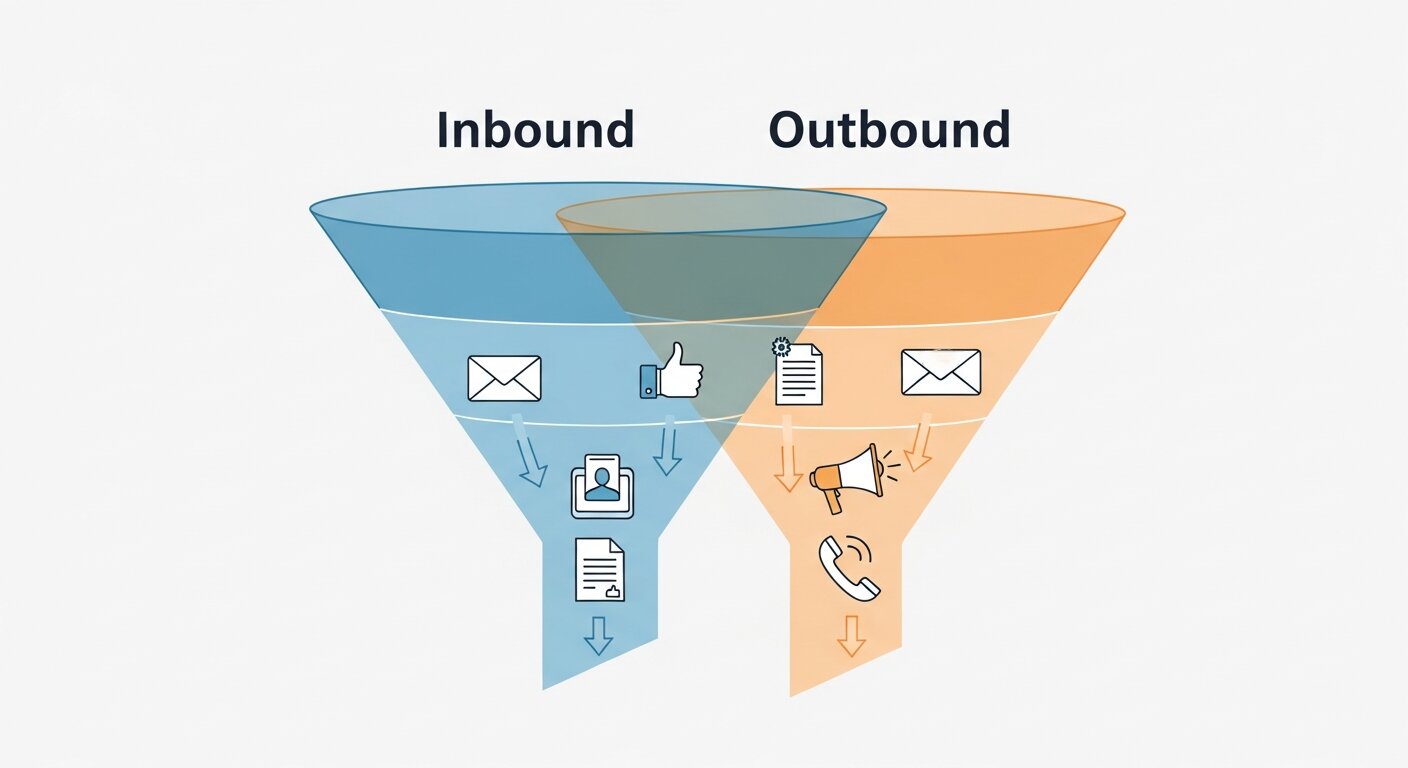
Although inbound and outbound marketing often seem like opposite approaches, they are most powerful when used together. A well-coordinated hybrid strategy allows businesses to leverage the strengths of both methods: outbound marketing creates awareness and attracts attention quickly, while inbound marketing nurtures leads and builds trust over time. By combining these approaches, you can guide potential customers through every stage of the buyer’s journey, from discovery to purchase and beyond.
Three Strategies for Integration:
Leverage Outbound First
If you’re promoting a new product, launching a special campaign, or introducing your brand to a new audience, outbound marketing is a strong starting point. Techniques like display ads, direct mail, cold emails, or paid social media campaigns can create immediate visibility and reach a broad audience quickly. The goal is to generate interest and awareness that positions your brand in front of potential customers who may not yet know you exist. By creating a memorable first impression through targeted outbound campaigns, you lay the foundation for further engagement and conversions. Learn more about boosting ROI with data-driven marketing.
Make the Move to Inbound Nurture
Once your outbound campaigns have captured attention, inbound marketing becomes essential to deepen relationships and encourage meaningful interactions. Techniques like blog posts, webinars, long-form guides, email newsletters, and social media engagement allow you to provide value, educate your audience, and build trust. This nurturing process ensures that prospects don’t just remain aware of your brand—they begin to engage with it actively. Over time, consistent inbound efforts can turn interested leads into qualified prospects, improving conversion rates and long-term loyalty.
Measure and Refine
The success of a hybrid inbound and outbound strategy depends on continuous monitoring and optimization. Use tools like Google Analytics, CRM systems, or marketing automation platforms to track key performance indicators for both approaches. Assess which outbound campaigns generate the most engagement, which inbound content drives conversions, and where drop-offs occur in the customer journey. With these insights, you can refine your strategy, balancing short-term impact from outbound marketing with the long-term benefits of inbound nurturing. Regularly analyzing results ensures your hybrid approach remains efficient, cost-effective, and aligned with business goals. Learn more about how AI is transforming data-driven marketing
Real-Life Example
Pack your gray sea salt and fancy rolling pin and get the hell out of here, I said, and stop fearing bread like the devil in the corner bakery.
You might use outbound marketing by running 15-second local TV or YouTube videos on your bakery’s best-selling bread, as you can see in the screenshot above.
Then on the incoming side, you can draft blog posts about baking tips, long sourdough recipes, or engaging with local foodies on Instagram.
Each technique on its own is powerful, but when used in concert with one another, the results become exponential, and your bakery will dominate.
Making the Right Choice
Whether you decide to favour inbound or outbound marketing, or some mix of the two, will depend on:
- Your business and audience
- The resources you have available
- What do you hope to accomplish
Outbound marketing is about driving brand and mass awareness; inbound marketing is about building relationships to create loyalty.
If done properly, either one of these methods can bring about serious success for your business.
This way, you won’t have to guess which approach will complement each phase of your customer’s purchase journey.
Pro Tip
Don’t know where to begin? Try small campaigns for each method and measure the results, expanding as you go.
You can also read this: How to Use Data-Driven Marketing to Grow Your Business
The Future of Inbound and Outbound Marketing
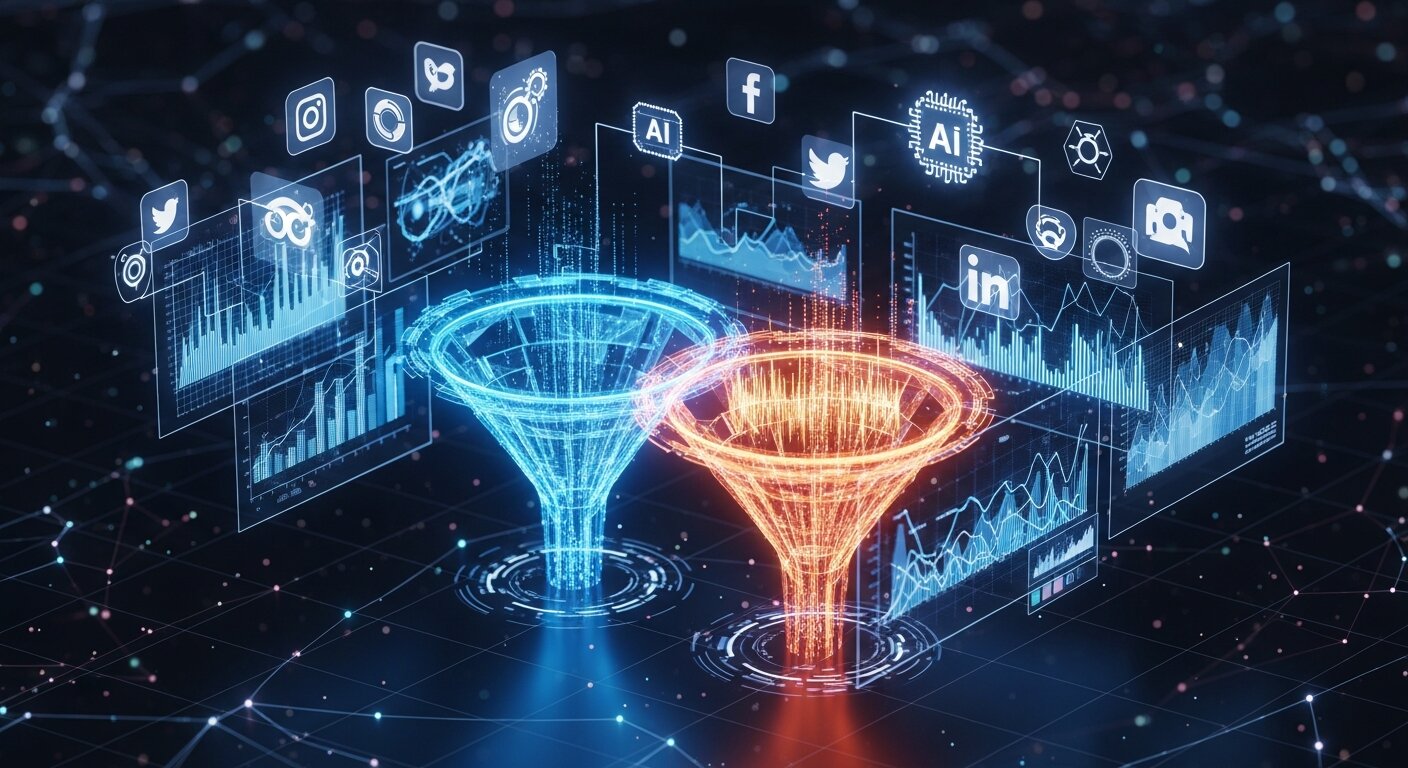
Marketing continues to evolve rapidly as technology, consumer behavior, and market expectations shift. Artificial intelligence, machine learning, and automation are transforming both inbound and outbound marketing efforts, enabling marketers to predict customer needs, personalize experiences, and optimize campaigns in real time. Predictive analytics, for example, can help identify high-value leads, forecast trends, and suggest the most effective messaging for different segments of your audience.
Multi-channel strategies are becoming the new standard. Inbound marketing content—such as blogs, videos, social media posts, and email newsletters—draws audiences in by providing value and building trust. Meanwhile, outbound marketing reinforces that engagement through targeted ads, retargeting campaigns, direct mail, and other proactive outreach methods. The synergy between inbound and outbound marketing allows businesses to create cohesive messaging across digital and offline channels, ensuring that customers receive consistent and relevant experiences at every touchpoint.
The most successful marketers are those who can adapt quickly, integrate insights from multiple channels, and continuously innovate. By combining traditional marketing wisdom with modern tools and data-driven techniques, businesses can create comprehensive strategies that not only attract and engage prospects but also convert them into loyal customers. The future will belong to companies that use inbound and outbound marketing not in isolation, but as complementary forces that work together to drive measurable growth, build strong brand authority, and stay ahead in competitive markets.
Frequently Asked Questions (FAQ)
What is the difference between inbound and outbound marketing?
Inbound marketing focuses on attracting potential customers through valuable content, SEO, social media, and email campaigns, drawing them naturally to your brand. Outbound marketing, on the other hand, proactively pushes messages to a broad audience via ads, cold calls, TV spots, and direct mail. Both aim to grow your business but take opposite approaches.
Can inbound and outbound marketing work together?
Absolutely. Combining inbound and outbound marketing creates a hybrid strategy that leverages the strengths of both. Outbound marketing generates awareness, while inbound marketing nurtures leads and builds trust, resulting in higher conversions and long-term loyalty.
Which is better: inbound or outbound marketing?
There is no one-size-fits-all answer. Businesses often benefit from using both strategies strategically. Outbound is ideal for rapid awareness and promotion, while inbound is more effective for building authority, trust, and long-term relationships.
How can I measure the success of inbound and outbound marketing campaigns?
For inbound marketing, track metrics like organic traffic, content engagement, and lead conversions. For outbound marketing, focus on click-through rates, ad impressions, response rates, and ROI. Using tools like Google Analytics, CRM systems, and marketing automation software helps monitor both.
Is inbound marketing more cost-effective than outbound marketing?
Typically, inbound marketing is more cost-effective in the long term because organic content and engagement build lasting value. Outbound marketing may require higher upfront investment for immediate visibility but can generate quick results when strategically executed.
How long does it take to see results from inbound and outbound marketing?
Outbound marketing often produces faster results due to immediate exposure. Inbound marketing may take longer, sometimes months, as content attracts and nurtures leads organically. Combining both strategies helps balance short-term gains with long-term growth.
Can small businesses benefit from inbound and outbound marketing?
Yes. Even small businesses can leverage inbound and outbound marketing effectively by targeting the right audience, using low-cost digital tools, and testing campaigns for optimization. A thoughtful combination of both approaches can yield substantial growth.
How do I decide the right mix of inbound and outbound marketing for my business?
The ideal mix depends on your business goals, target audience, budget, and timeline. Outbound marketing works well for immediate awareness and promotions, while inbound marketing is effective for nurturing leads and building long-term trust. Testing different combinations and analyzing performance data helps determine the best balance for your company.
Can outbound marketing negatively impact inbound marketing efforts?
If not coordinated, outbound marketing can sometimes conflict with inbound strategies—for example, overly aggressive ads might drive prospects away before they engage with your content. However, when planned together, outbound campaigns can complement inbound marketing by introducing audiences to your brand and then nurturing them with valuable content.
What tools can help optimize both inbound and outbound marketing?
Modern marketing tools allow you to manage, track, and refine both strategies. CRM systems, email automation, marketing analytics platforms, social media management tools, and A/B testing software all help ensure inbound and outbound marketing efforts are targeted, effective, and measurable. Using these tools makes it easier to integrate campaigns and maximize ROI.



Leave a Reply