


This guide explains what are marketing KPIs and how they help measure marketing performance effectively. Learn how to track the right metrics, optimize campaigns, and improve ROI. By understanding these key indicators, businesses can make data-driven decisions and drive growth.
Understanding Marketing KPIs: The Foundation of Data-Driven Marketing
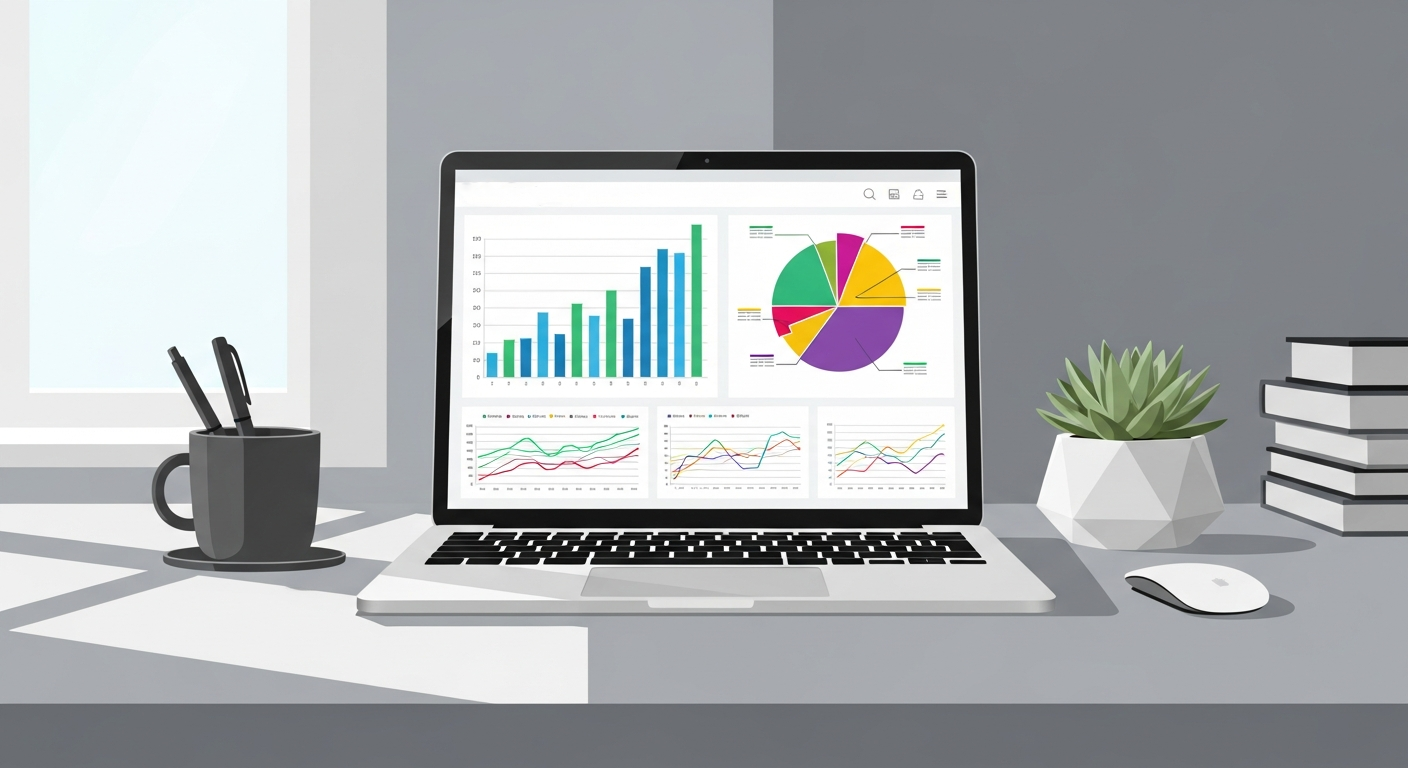
So, what are marketing KPIs and why do they matter for driving business growth? Marketing KPIs, or Key Performance Indicators, are measurable metrics that track the success of your marketing campaigns, strategies, and overall initiatives. Unlike vanity metrics—like social media likes or page views, which may look impressive but provide little actionable insight—KPIs are directly tied to your business goals and show whether your marketing efforts are generating meaningful results.
Understanding what are marketing KPIs allows businesses to connect marketing activities with measurable outcomes. By knowing what are marketing KPIs, organizations can answer critical questions: Are your campaigns producing high-quality leads that are likely to convert? Is your content effectively engaging your target audience and influencing purchasing decisions? Are your marketing investments delivering a positive return on investment (ROI)?
Moreover, understanding what are marketing KPIs gives businesses a clear view of the entire buyer’s journey, showing how prospects interact with your brand across multiple touchpoints. From lead generation to customer retention, knowing what marketing KPIs are allows marketers to track performance at every stage, identify gaps, and make data-driven decisions that optimize both short-term campaigns and long-term strategies.
In essence, knowing what are marketing KPIs and how to monitor them is essential for any organization that wants to move beyond guesswork and adopt a truly data-driven marketing approach. By clearly defining what marketing KPIs are, businesses can transform raw data into actionable insights, ensuring that every marketing effort contributes to measurable growth and maximizes ROI.
The Difference Between Metrics and KPIs
Not all metrics qualify as KPIs. A metric becomes a KPI when it directly influences business decisions and aligns with strategic goals. For example, social media followers might be a metric, but engagement rate becomes a KPI when it correlates with brand awareness objectives.
KPIs must be:
- Specific: Clearly defined and measurable
- Relevant: Aligned with business objectives
- Actionable: Capable of driving strategic decisions
- Time-bound: Measured within specific timeframes
Why Marketing KPIs Matter: The Business Case for Measurement

Prove Marketing ROI and Justify Budget Allocation
Marketing budgets are constantly under review, making it essential to measure impact. By tracking what are marketing KPIs, you can provide concrete evidence of marketing’s contribution to revenue and business growth. Showing measurable results from specific campaigns makes it easier to justify future budget allocation. For practical methods, see data-driven marketing ROI: how to measure.
Companies using data-driven marketing strategies typically see improved performance across all channels. They can identify which initiatives deliver the highest returns and allocate resources accordingly.
Enable Strategic Decision Making
KPIs transform gut feelings into informed decisions. Instead of relying on assumptions about what works, you can analyze performance data to optimize campaigns, adjust targeting, and refine messaging. This data-driven approach minimizes risk and maximizes impact.
Identify Performance Gaps and Opportunities
Align Marketing with Business Objectives
KPIs create accountability and ensure marketing efforts support broader business goals. When marketing metrics directly correlate with revenue targets, customer acquisition goals, or market share objectives, the entire organization moves in the same direction.
Click here and learn about Data-Driven E-commerce Marketing
Essential Marketing KPIs Every Business Should Track

Lead Generation KPIs
Lead Volume: The total number of leads generated within a specific timeframe. This fundamental metric indicates your marketing funnel’s top-line performance.
Lead Quality Score: A composite metric evaluating leads based on demographic data, engagement levels, and behavior patterns. High-quality leads are more likely to convert into customers.
Cost Per Lead (CPL): The total marketing spend divided by the number of leads generated. This metric helps optimize budget allocation across different channels and campaigns.
Lead Conversion Rate: The percentage of leads that advance to the next stage of your sales funnel. This KPI reveals the effectiveness of your lead nurturing processes.
Customer Acquisition KPIs
Customer Acquisition Cost (CAC): The total cost of acquiring a new customer, including marketing expenses, sales team costs, and operational overhead. Understanding CAC helps determine the sustainability of growth strategies.
Customer Lifetime Value (CLV): The total revenue a customer generates throughout their relationship with your business. The CLV to CAC ratio indicates the long-term profitability of your acquisition efforts.
Conversion Rate: The percentage of prospects who become paying customers. This metric varies significantly across industries and marketing channels.
Time to Conversion: The average duration from first contact to purchase. Shorter conversion cycles often indicate more effective marketing and sales processes.
Engagement and Brand Awareness KPIs
Brand Awareness Metrics: Including unaided brand recall, search volume for brand terms, and social media mentions. These metrics gauge your brand’s presence in the market.
Engagement Rate: The percentage of your audience that actively interacts with your content. High engagement rates typically correlate with strong brand affinity and increased conversion potential.
Website Traffic Metrics: Including unique visitors, page views, and session duration. These metrics indicate the effectiveness of your content marketing and SEO efforts.
Email Marketing Metrics: Open rates, click-through rates, and unsubscribe rates reveal the health of your email marketing campaigns and audience engagement levels.
Revenue-Focused KPIs
Marketing Qualified Leads (MQLs): Leads that meet specific criteria indicating sales readiness. This metric bridges marketing and sales efforts.
Sales Qualified Leads (SQLs): Leads that have been vetted by sales teams and are ready for direct sales engagement.
Revenue Attribution: The portion of revenue directly attributable to marketing efforts. This complex metric requires sophisticated tracking but provides crucial insights into marketing’s financial impact.
Return on Marketing Investment (ROMI): The revenue generated for every dollar spent on marketing. This ultimate KPI determines the financial effectiveness of your marketing programs.
Setting Up Your KPI Framework: A Strategic Approach

Define Clear Business Objectives
Start with your business goals. Are you focused on customer acquisition, market expansion, or customer retention? Your objectives determine which KPIs deserve attention and resources.
Map each marketing activity to specific business outcomes. Content marketing might support brand awareness goals, while paid advertising drives immediate conversions.
Choose the Right KPIs for Your Business Model
B2B companies typically focus on lead quality and sales cycle metrics, while B2C businesses emphasize conversion rates and customer lifetime value. SaaS companies prioritize user acquisition and retention metrics.
Consider your industry benchmarks and competitive landscape. What constitutes good performance varies significantly across sectors.
Establish Baselines and Targets
Historical data provides context for current performance. Establish baseline metrics before implementing new strategies or campaigns. Set realistic but challenging targets based on industry standards and business growth objectives.
Create Reporting Rhythms
Determine reporting frequencies for different KPIs. Some metrics require daily monitoring, while others are better evaluated monthly or quarterly. Establish regular review cycles to ensure consistent measurement and optimization.
To save time in reporting and monitoring KPIs, businesses can implement automated data entry storage.
Tools and Technologies for KPI Tracking
Marketing Analytics Platforms
Google Analytics remains the foundation for most marketing measurement strategies. It provides comprehensive insights into website performance, traffic sources, and user behavior patterns.
Specialized platforms like HubSpot, Marketo, and Salesforce offer integrated marketing automation and analytics capabilities. These tools excel at tracking complex customer journeys and multi-touch attribution.
Dashboard and Visualization Tools
Tableau, Power BI, and Google Data Studio transform raw data into actionable insights. Visual dashboards make it easier to identify trends, communicate results, and make data-driven decisions.
Real-time dashboards enable rapid response to performance changes. Automated alerts notify teams when exceed predetermined thresholds.
Attribution Modeling Tools
Multi-touch attribution platforms help understand the complex customer journey. Tools like Bizible, Ruler Analytics, and Google Analytics 4 provide sophisticated attribution modeling capabilities.
These platforms reveal how different marketing channels work together to drive conversions. This insight is crucial for optimizing budget allocation and campaign coordination.
Common KPI Pitfalls and How to Avoid Them
Tracking Too Many Metrics
Information overload paralyzes decision-making. Focus on the metrics that directly impact your business objectives. Typically, 5-10 core KPIs provide sufficient insight without overwhelming your team.
Ignoring Data Quality
Inaccurate data leads to poor decisions. Implement proper tracking protocols, regularly audit your measurement systems, and ensure data consistency across platforms.
Focusing on Vanity Metrics
Impressive numbers that don’t drive business outcomes waste time and resources. Prioritize metrics that correlate with revenue, customer satisfaction, and business growth.
Lack of Context
Numbers without context are meaningless. Compare current performance to historical data, industry benchmarks, and competitive insights. Understand the factors that influence your KPIs.
Transforming KPI Data into Strategic Action
Regular Performance Reviews
Schedule monthly or quarterly reviews with key stakeholders. These sessions should focus on trend analysis, performance gaps, and strategic adjustments.
Create standardized reporting formats that highlight key insights and recommended actions. Make it easy for non-technical team members to understand and act on the data.
Optimization Strategies
Cross-Functional Collaboration
Share KPI insights with sales, product, and customer success teams. Marketing data often reveals opportunities for improvement across the entire customer experience.
Building a Culture of Data-Driven Marketing
Marketing KPIs are more than just numbers on a dashboard—they are the foundation of strategic marketing excellence. Understanding what are marketing KPIs and carefully selecting, monitoring, and acting on the right ones transforms marketing from a cost center into a measurable driver of business growth.
Start with your business objectives, choose relevant marketing KPIs, and establish consistent measurement practices. The goal isn’t to track everything but to focus on the metrics that matter most for your specific business needs.
Companies that master what are marketing KPIs will dominate their markets. They make better decisions, optimize faster, and deliver superior results. Your KPI journey starts with a single metric—choose wisely and begin measuring what drives your business success.
Frequently Asked Questions (FAQ)
What Are Marketing KPIs and Why Are They Important?
Marketing KPIs, or Key Performance Indicators, are measurable metrics that reflect the effectiveness of your marketing strategies. They are important because they connect marketing efforts to business results, allowing you to track ROI, optimize campaigns, and drive growth.
How Do I Choose the Right Marketing KPIs?
Start by aligning KPIs with business objectives. Identify which metrics directly influence revenue, lead generation, or customer engagement. Consider your industry, buyer personas, and campaign goals to select KPIs that truly measure success.
Can Marketing KPIs Improve ROI?
Absolutely. By tracking and optimizing KPIs like conversion rates, cost per lead, and revenue attribution, marketers can allocate budgets more effectively, reduce wasted spend, and maximize the impact of every campaign.
How Often Should I Monitor Marketing KPIs?
Monitoring frequency depends on the KPI and business goals. Daily tracking may be essential for website traffic and ad campaigns, while monthly or quarterly reviews are suitable for long-term metrics like customer acquisition cost or lifetime value.
What Is the Difference Between Metrics and KPIs?
All KPIs are metrics, but not all metrics are KPIs. Metrics become KPIs when they are directly tied to business objectives and influence strategic decisions. For example, social media followers are a metric, but engagement rate can be a KPI if it correlates with brand awareness goals.
How Can Small Businesses Use Marketing KPIs Effectively?
Small businesses can focus on a few core KPIs that drive growth, such as lead conversion, website engagement, and customer retention. Using dashboards and automation tools helps simplify tracking and ensures data-driven decision-making without overwhelming resources.



Leave a Reply