


Customer data-based marketing is no longer a luxury but a necessity. When the concept of customer data-driven marketing emerges, it feels like an option for most organizations. Companies using customer data effectively enjoy 2.9 times greater revenue growth and 1.7 times higher customer lifetime value than companies that don’t use it.
But despite that ability to collect mountains of customer data, many businesses don’t know how to effectively turn it into actionable marketing insights. This step-by-step guide will help you craft an effective customer data-driven marketing strategy from selecting the best platforms to adopting ethical data practices that help you create trust among your audience.
It’s Time to Understand Customer Data Platforms (CDPs)
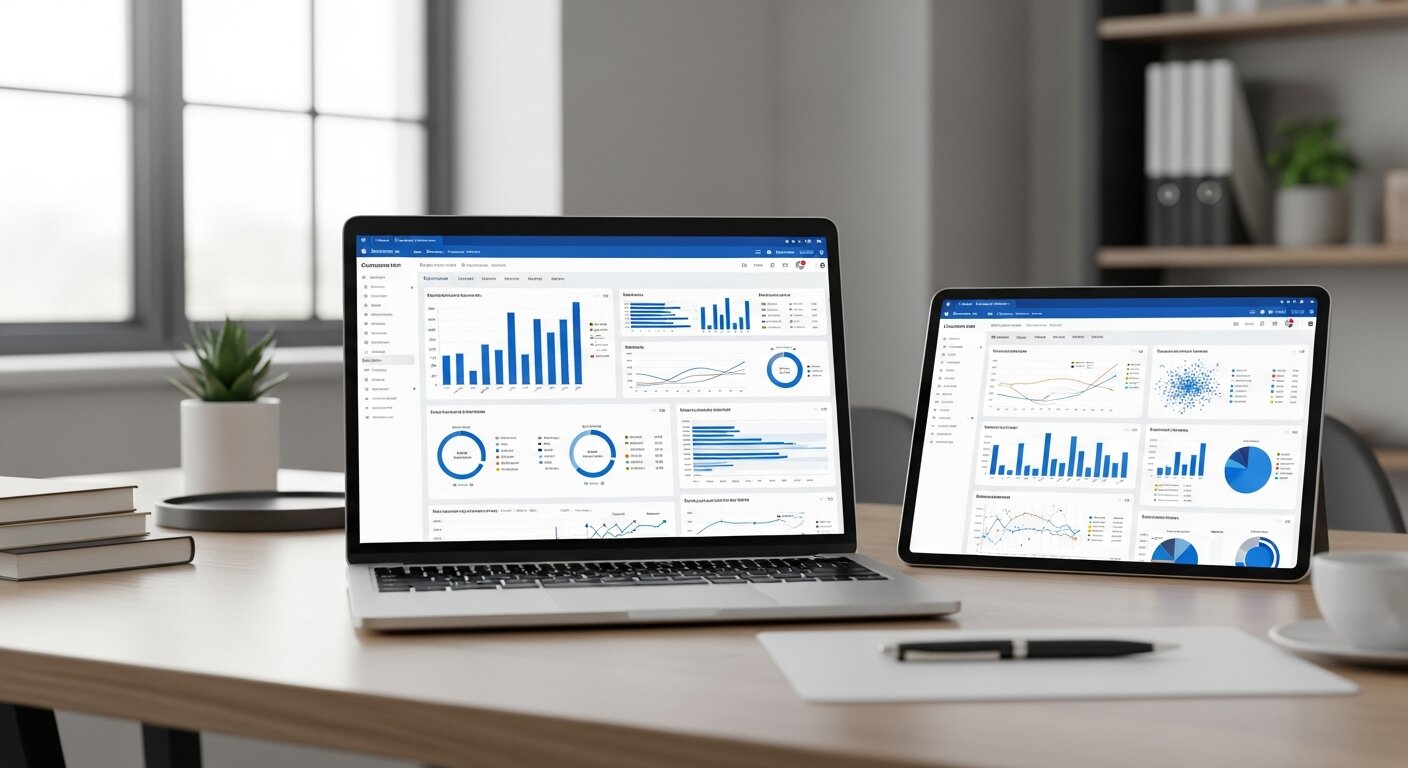
They are the backbone of today’s customer data-driven marketing. Such solutions integrate with, aggregate, and identify customer information from various touchpoints to map a complete view of the customer.
What Makes CDPs Different
CDPs tear down silos; you’ll use a CDP rather than your siloed marketing tools. They consolidate data from your website, email campaigns, social media, customer service interactions and purchase history into a unified view.
This all-in-one approach gives marketers a comprehensive view of the customer journey. Instead of piecemeal interactions across disparate channels, you see how customers really are engaging with your brand over time.
Key CDP Features to Look For
When reviewing customer data platforms, here’s what to focus on:
- Real-time data processing: Make advertising decisions using current behavior, not outdated data.
- Identity resolution: Connect anonymous website visitors to known customers for a clearer picture.
- Segmentation: Categorize customers by behavior, preferences, demographic info, and purchase history.
- API integrations: Seamlessly share data between your existing tools and platforms.
Why You Should Use Customer Data
The benefits of data driven marketing to your bottom line. Data driven marketing, in the context of customers, registers real benefits for your business. This is how data turns the tide in marketing performance:
Personalization at Scale
Generic commercials get tuned out. Customer information offers the opportunity to provide content that is relevant for and aligned with individual interests and behaviors.
When Netflix surfaces shows you’ve watched or might like, or Amazon recommends products you’ve purchased or might want to, they’re leveraging customer data to generate personally relevant experiences that drive engagement and sales.
If you’re curious about how top brands use personalization successfully, read examples of data-driven marketing and why they work.
Improved Customer Acquisition
Information shows what channels and messages impact your most valuable customers. Because now you can use this insight to spend your marketing dollars more wisely, concentrating on the things that work.
Customer information also makes it easier to find lookalike audiences, prospects who behave like your best customers and are most likely to convert.
Enhanced Customer Retention
It’s way less expensive to keep an existing customer than it is to find a new one. The data on your customers can be used to spot at-risk customers before they churn and launch targeted retention campaigns.
You can be proactive in addressing the concerns of customers as well as maintaining relationships by tracking purchase behaviors, engagement levels, and support interactions.
Optimized Marketing Spend
Data driven Marketing based on customer information takes away the guess work when it comes down to budget distribution. You can also measure which campaigns give you the most bang for your buck and reallocate resources.
By using such a data driven approach, you avoid wasting money on channels that are not working and in-turn making sure to put every marginal marketing dollar along the way to the use of the business.
Data Collection and Analysis Methods
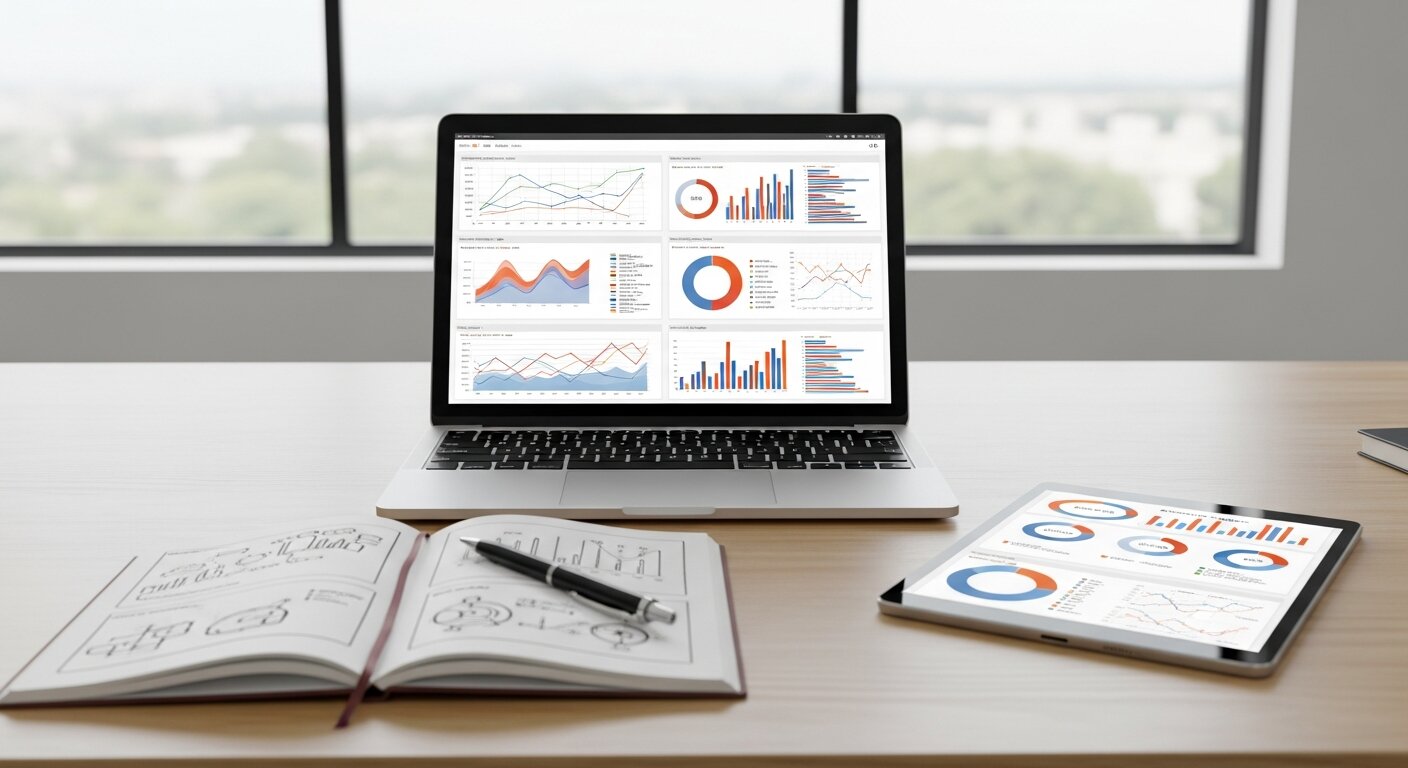
Successful customer data based marketing needs systematic collection and analysis of customer information. Proven tactics that work include:
Multi-Channel Data Collection
Effective data collection occurs at different customer touchpoints. Every encounter gives you insight into which customers like and what customers do.
- Website analytics: Track movement, engagement, and bounce points.
- Email stats: Measure performance by subject line, content, and timing.
- Social activity: Understand preferences and high-engagement content types.
- Service data: Reveal customer pain points and areas of journey friction.
Approaches of Behavioral Analysis
Data is a raw material that only becomes useful once you begin to mine it. Pay attention to these important behavioral cues:
- Frequency of purchase
- Session duration
- Email click rates by segment
- Social media engagement trends
Predictive Analytics
Sophisticated customer data-driven marketing leverages predictive analytics to predict future behavior of customers.
To learn how professionals turn insights into revenue, explore how data-driven marketers transform raw numbers into revenue.
Predictive models can forecast:
- Who will make repeat purchases
- Who might churn
- When promotions will be most effective
Machine learning algorithms improve accuracy over time, increasing campaign efficiency.
Examples: Data-Driven Campaign Successes

Personalization Wins in E-commerce
An e-commerce fashion company leveraged customer data to deliver tailored product recommendations built on browsing behavior, purchasing behaviors, and seasonal predispositions.
- Segmentation by style, size, and frequency
- Personalized promotional emails with 35% higher open rates and 50% more clicks
- Dynamic, seasonal website content
- 25% increase in average order value
Customer Retention Campaign (Sigaas Try Free)
Software usage data revealed that inactive users within 30 days were 60% more likely to churn.
- Onboarding campaigns guided users toward key features
- Personalized emails, training, and custom content
- Results: 40% churn reduction and 28% boost in lifetime value
Location Optimization in Restaurants
A restaurant chain used customer data and local demographics to adapt menus and promotions.
- Regional food preferences and pricing sensitivities uncovered
- Customized marketing and menus
- 18% higher year-over-year sales compared to uniform locations
Ethical Issues and Privacy Dilemmas
Customer data marketing must be effective and responsible.
Transparent Data Collection
Make it clear:
- What data is collected
- Why it’s collected
- What value it provides to the customer
Use plain language, not legal jargon.
Data Security Measures
Protecting consumer data is both ethical and good business. Implement:
- Security audits
- Employee training
- Encryption for sensitive data
Consent Management
Honor preferences:
- Opt-in/opt-out features
- Data deletion and usage restrictions
Trust leads to long-term business growth.
Compliance with Regulations
Follow privacy laws like GDPR and CCPA. Compliance is both a legal requirement and a customer trust strategy. Get legal advice when necessary.
AI and Machine Learning in Customer Data Marketing
Artificial intelligence (AI) and machine learning (ML) have revolutionized customer data-driven marketing. These technologies can process vast amounts of data far beyond human capabilities, identifying patterns, trends, and predictive insights.
AI algorithms can segment audiences automatically based on behavior, predict the best time to engage individual customers, and even generate personalized content. For example, an AI-driven recommendation engine on an e-commerce site can suggest products tailored to each visitor in real time, boosting conversion rates and customer satisfaction.
Machine learning also improves over time: as more data is collected, algorithms refine predictions and optimize campaigns, making marketing efforts increasingly effective without constant manual intervention.
Cross-Device and Multi-Channel Tracking
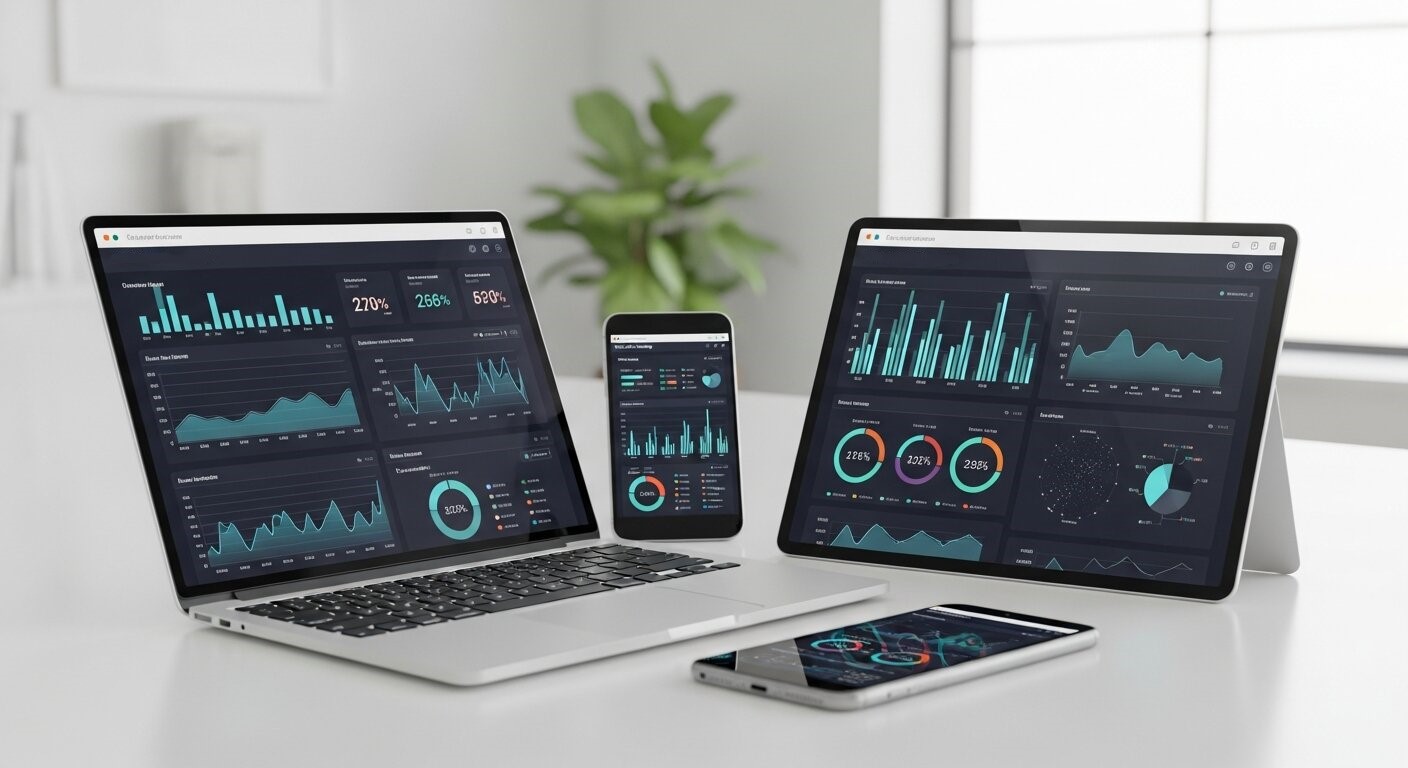
Modern customers interact with brands across multiple devices—smartphones, tablets, desktops, and in-store kiosks. Tracking these interactions is essential for a cohesive marketing strategy.
Cross-device tracking consolidates user activity into a single profile, allowing marketers to understand a customer’s journey comprehensively. For instance, a customer may browse products on their mobile phone during their commute, research them on a desktop at work, and make a purchase in-store. By connecting these touchpoints, businesses can create seamless, personalized experiences, such as following up with a targeted email after an in-store purchase.
Multi-channel tracking ensures that messaging remains consistent across all platforms. Social media, email, websites, mobile apps, and even offline interactions contribute to a unified understanding of customer behavior.
Advanced Segmentation Strategies
Segmentation is no longer limited to simple demographic categories like age, gender, or location. Advanced segmentation leverages behavioral, transactional, and psychographic data to create hyper-specific audience groups.
For example, an online retailer might segment customers based on purchase frequency, browsing behavior, preferred product categories, and price sensitivity. Marketing campaigns can then be tailored for each segment—for instance, offering high-value loyalty discounts to frequent buyers, or sending personalized onboarding emails to first-time visitors.
Advanced segmentation ensures that every message resonates with its target audience, increasing engagement and driving higher conversions.
Measuring Marketing Effectiveness with Data
Data-driven marketing provides precise methods to measure campaign effectiveness. Key metrics include conversion rates, ROI, customer acquisition cost (CAC), customer lifetime value (CLV), engagement rates, and retention rates.
Analyzing this data allows marketers to optimize campaigns continuously. For example, if a personalized email campaign has a low click-through rate, segmentation, timing, or content can be adjusted based on the insights. Real-time dashboards and analytics tools make it possible to monitor campaigns live, enabling faster decision-making and improved outcomes.
By measuring success through data, businesses ensure marketing investments deliver tangible results and can justify budget allocation effectively.
Ethical Considerations and Privacy Compliance
As marketers leverage more customer data, ethical considerations and privacy compliance become increasingly important. Respecting consumer privacy builds trust and prevents legal and reputational risks.
Transparent data collection practices—informing customers about what data is collected, why it’s collected, and how it’s used—are essential. Secure storage, consent management, and compliance with regulations like GDPR, CCPA, and other regional laws are mandatory.
Ethical marketing also extends to personalization. Avoid intrusive or overly manipulative strategies. Instead, use insights responsibly to enhance the customer experience. Customers are more likely to engage and remain loyal when they trust a brand with their personal information.
Customer Journey Mapping with Data
Understanding the customer journey is essential for effective marketing. By mapping each step—from awareness to consideration to purchase and post-purchase—businesses can identify opportunities to engage with customers meaningfully.
Data-driven customer journey mapping tracks every interaction, allowing marketers to see where prospects drop off or experience friction. For example, if many customers abandon their shopping carts at checkout, data insights can highlight the cause (high shipping fees, slow load times, confusing forms) and inform targeted solutions like promotional offers or optimized UX design.
This strategic use of data ensures that campaigns are not only personalized but also address real pain points, improving the overall customer experience.
What’s Next for Data-Driven Marketing?
The future of customer data-driven marketing lies in adapting to evolving tech and expectations.
AI and machine learning will provide real-time personalization and advanced predictions. Privacy-first strategies will be crucial to customer trust. Offline and online data will converge, enriching customer profiles.
If you want to go further, read this full guide on unlocking growth with data-driven marketing solutions.
- AI and machine learning will provide real-time personalization and advanced predictions.
- Privacy-first strategies will be crucial to customer trust.
- Offline and online data will converge, enriching customer profiles.
Start now with a clear objective, the right tech, and the understanding that less data doesn’t mean less insight. It’s about using your existing data effectively to build stronger customer experiences and drive measurable growth.
Storytelling drives emotional resonance. For a masterclass, look no further than Apple’s marketing strategy, which blends minimalism, lifestyle branding, and customer obsession.
Frequently Asked Questions (FAQ)
What is Customer Data-Driven Marketing?
Customer Data-Driven Marketing is a strategy that leverages collected customer information to deliver personalized, targeted marketing campaigns. By using data insights, businesses can enhance engagement, improve conversion rates, and boost customer retention effectively.
Why is a Customer Data Platform (CDP) important?
A Customer Data Platform plays a crucial role in Customer Data-Driven Marketing by consolidating data from all touchpoints into a single, unified customer profile. This enables consistent, personalized campaigns across multiple channels and helps marketers make smarter, data-backed decisions.
How can predictive analytics improve marketing?
Predictive analytics is a powerful tool in Customer Data-Driven Marketing. It forecasts customer behavior, such as purchase likelihood or churn risk, allowing marketers to proactively target the right customers with the right offers at the right time, maximizing marketing efficiency.
How do I ensure customer data is used ethically?
Ethical practices are essential in Customer Data-Driven Marketing. Ensure transparency, obtain clear consent, and comply with regulations like GDPR and CCPA. Clearly communicate what data is collected, why it’s collected, and how it’s used, while implementing strong security measures to protect customer information.
Can small businesses benefit from Customer Data-Driven Marketing?
Absolutely. Even with limited data, small businesses can leverage Customer Data-Driven Marketing to gain actionable insights. Affordable tools and platforms allow them to personalize messaging, segment audiences, and optimize marketing spend for maximum impact.
What is the difference between real-time and historical data?
In Customer Data-Driven Marketing, historical data provides insights into past behavior to inform strategic decisions, while real-time data allows immediate action based on current customer interactions. Combining both types enables highly personalized, timely campaigns.
How do I measure the ROI of Customer Data-Driven Marketing?
To measure the ROI of Customer Data-Driven Marketing, track metrics like revenue growth, customer lifetime value, retention rates, conversion rates, and marketing spend efficiency. Comparing these metrics over time demonstrates the impact and effectiveness of data-driven strategies.



Leave a Reply