


A data-driven marketing solution uses customer insights and analytics to guide smarter, personalized campaigns that boost engagement and ROI. By leveraging tools, AI, and predictive analytics, businesses can optimize strategies, anticipate customer needs, and reduce wasted spend. Implementing this approach transforms marketing from guesswork into measurable, growth-driven results.
What Is a Data-Driven Marketing Solution?
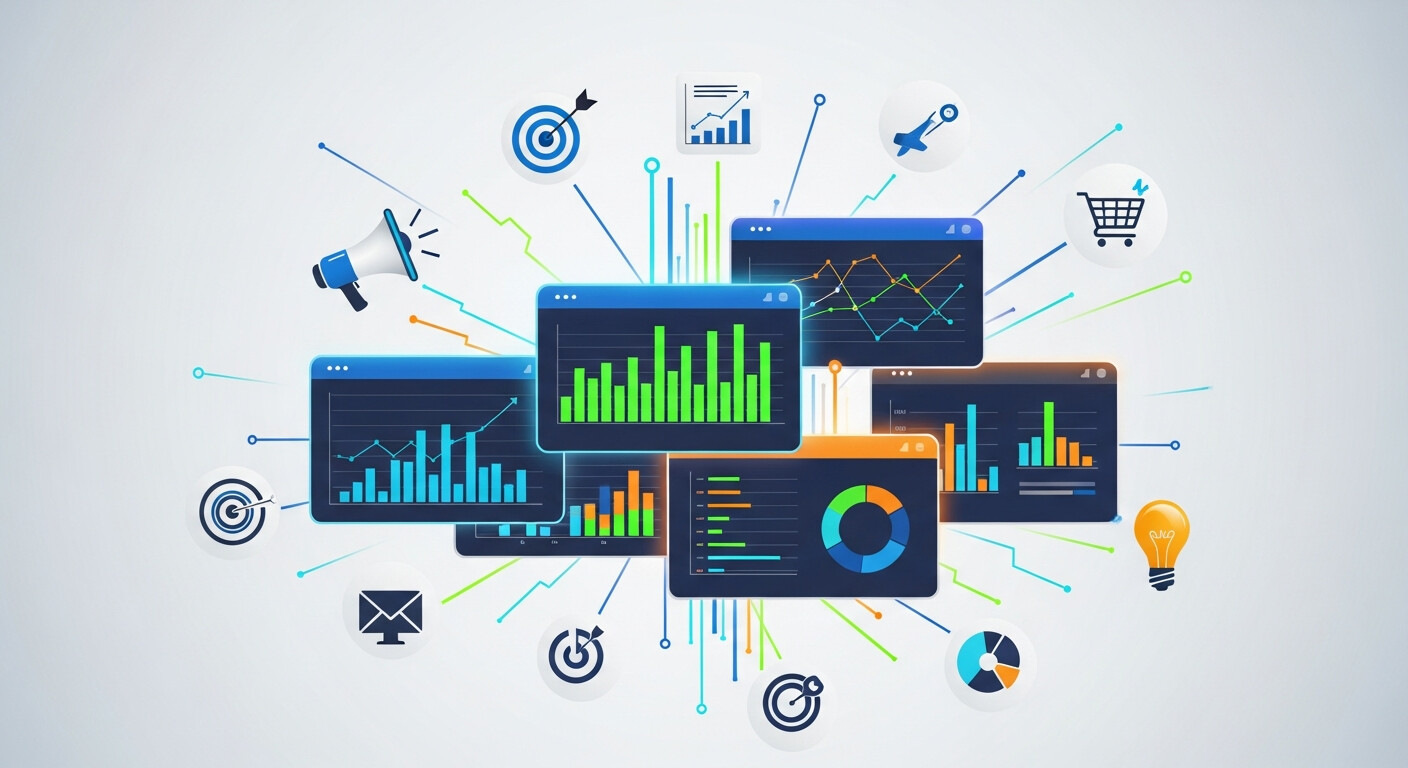
A data-driven marketing solution is a strategic approach that uses customer data and analytics to guide every marketing decision. Instead of relying on intuition, assumptions, or generic industry trends, it leverages real, actionable insights about your audience—such as their demographics, interests, online behaviors, purchase patterns, and engagement history—to create more precise and effective campaigns.
This type of solution involves a combination of technologies, including data collection tools, analytics platforms, AI-driven predictive models, and automation software, all working together to transform raw data into meaningful strategies. By understanding how your customers interact with your brand across multiple touchpoints—whether it’s a website visit, social media engagement, email click, or in-store purchase—you can anticipate their needs, personalize their experiences, and deliver the right message at the right time.
Unlike traditional marketing methods, where campaigns are often trial-and-error experiments, a data-driven marketing solution provides measurable results and insights, allowing businesses to optimize spend, reduce wasted resources, and maximize ROI. It not only enhances campaign effectiveness but also helps build stronger, long-lasting customer relationships by delivering experiences that feel relevant, timely, and personal.
The Components of a Data-Driven Marketing Solution
- Data Collection Tools
Tools like Google Analytics, CRM systems, and social media insights help brands gather customer information such as demographics, behaviors, and purchase history.
If you want to understand how businesses use data for growth, check out this guide on data-driven eCommerce marketing.
- Data Analysis Software
Advanced solutions, like HubSpot or Tableau, transform raw data into actionable insights. These platforms help identify trends, predict outcomes, and uncover hidden opportunities.
- AI and Automation
Machine learning algorithms can analyze data faster and more accurately than manual methods. Automating tasks—such as manual data entry processes—helps ensure your marketing data stays clean and reliable.
Why Is a Data-Driven Marketing Solution Essential?
Improved Customer Insights
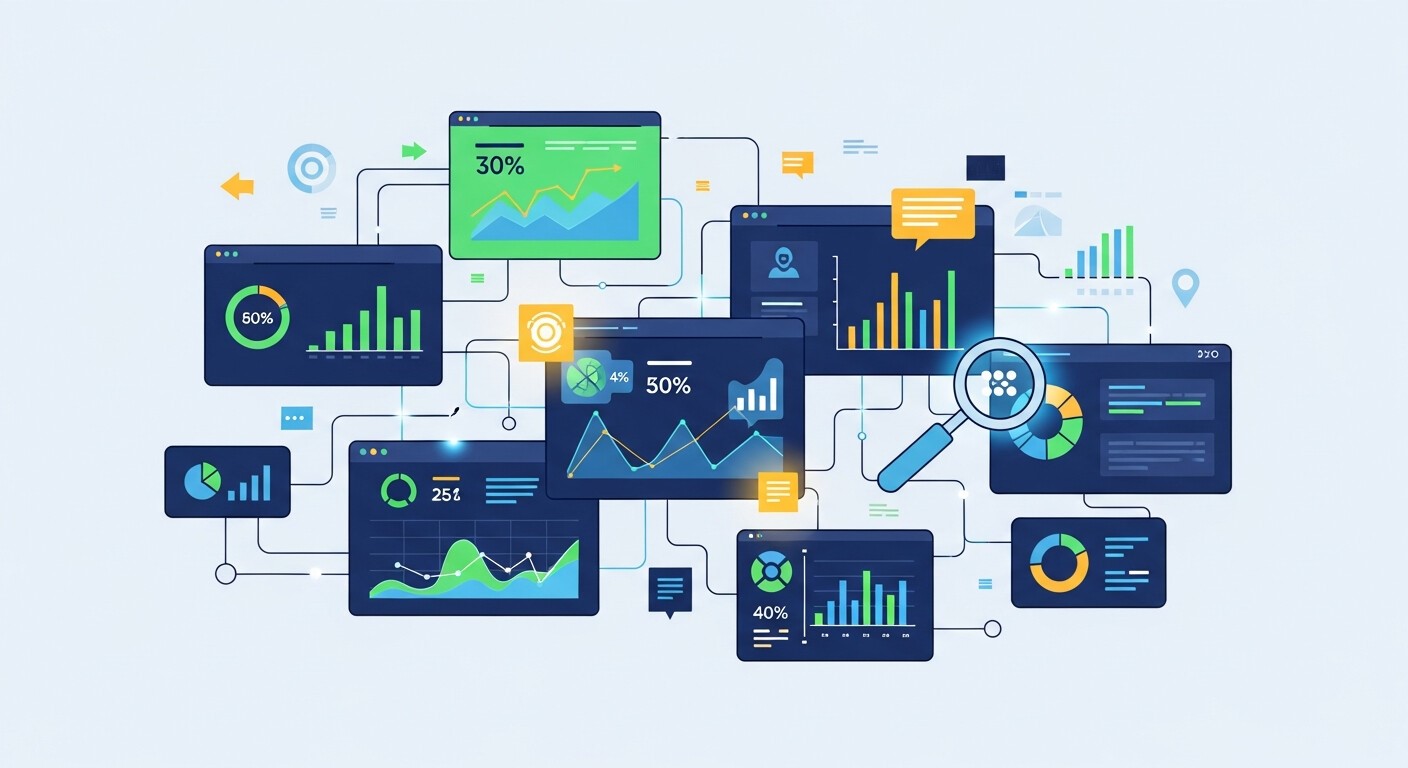
Data-driven marketing provides a deep understanding of your target audience. Instead of relying on vanity metrics like the number of likes or shares, you can uncover actionable insights such as what time your customers are most likely to engage, what motivates them to buy, or why they abandon carts.
Increased Personalization
Eighty percent of consumers are more likely to purchase from a company that offers personalized experiences. With data, you can send highly targeted ads, recommendation emails, or customized offers based on each person’s online activity, preferences, and purchasing patterns.
Example:
- Without a data-driven solution: “Check out our winter collection!”
- With a data-driven solution: “Hi Sarah, save 15% on that navy coat you loved last week!”
Better ROI (Return on Investment)
A data-driven solution helps you identify which channels or campaigns work best, allowing you to reinvest your budget strategically.
To understand how ROI is measured, explore data-driven marketing ROI.
For example, if email campaigns have a 10% conversion rate compared to 2% on Facebook, a smart marketer would allocate more resources to email efforts.
How to Implement a Data-Driven Marketing Solution in Your Business
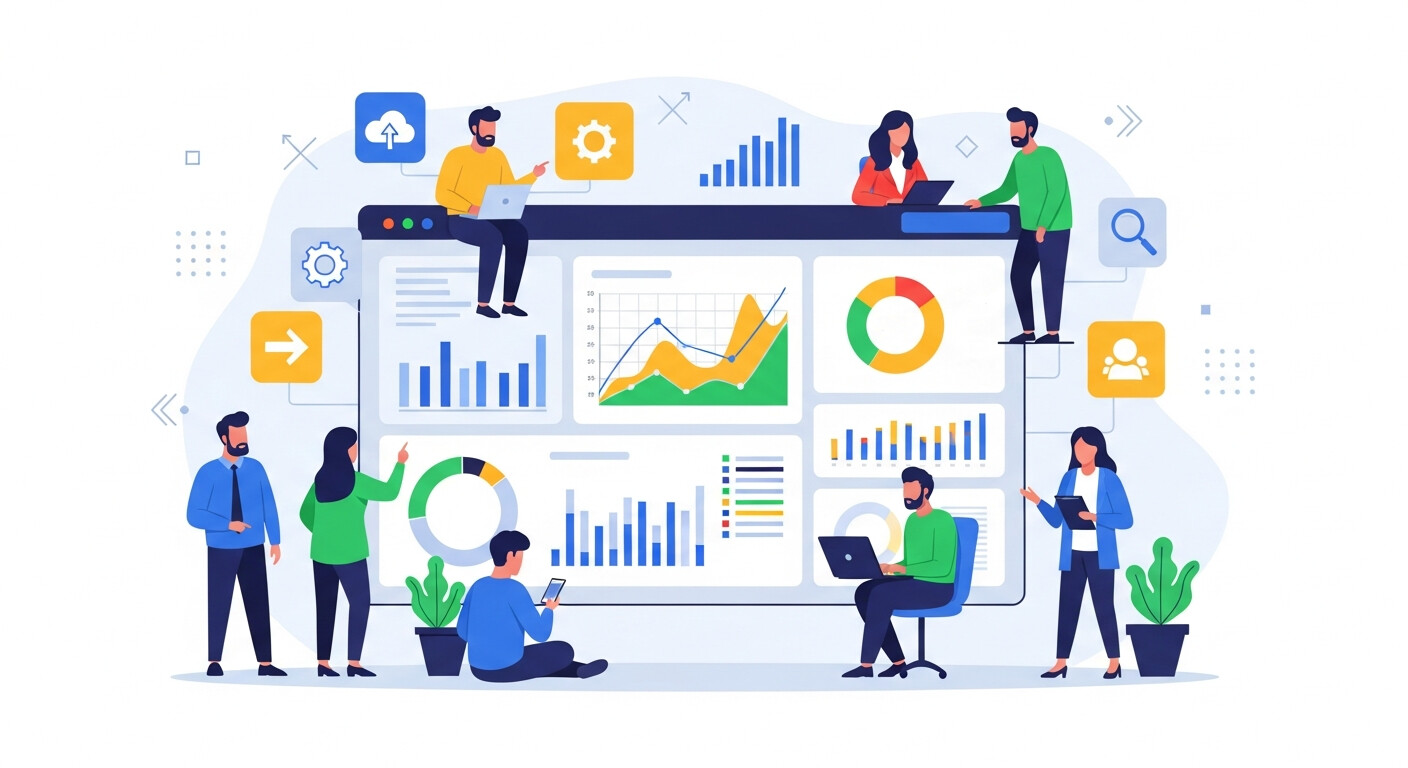
Following a systematic approach ensures your data-driven marketing solution yields the best results. Here’s how to get started:
Define Your Goals
The first step in implementing a data-driven marketing solution is setting clear, well-defined objectives. Before collecting data or launching campaigns, you need to know exactly what you want to achieve. Are you aiming to increase website traffic, generate more sales, boost social media engagement, or improve customer retention? Each goal requires different strategies, metrics, and tools, so clarity at this stage is crucial.
By defining your goals upfront, you create a benchmark for success and ensure that every marketing decision—whether it’s targeting a specific audience segment, choosing a channel, or crafting messaging—is aligned with your business objectives. Clear goals also make it easier to measure performance, track key performance indicators (KPIs), and adjust campaigns based on real-time insights. In short, setting precise objectives ensures your data-driven marketing efforts are focused, efficient, and results-oriented.
Example goals could include:
- Increasing email newsletter sign-ups by 25%.
- Boosting sales from retargeted ads by 15%.
Collect Relevant Data
Knowing which data to collect is crucial. Focus on key metrics such as:
- Demographics and Psychographics (age, gender, interests, etc.)
- Behavioral Data (web browsing activity, purchase frequency, etc.)
- Engagement Metrics (click-through rates, page views, bounce rates, etc.)
Segment Your Audience
Break your audience into clear, actionable segments. Segmentation can be done based on behavior (e.g., frequent vs. one-time buyers), demography (e.g., millennials vs. Gen X), or geographic location.
Tip:
- Use tools like Mailchimp, Klaviyo, or HubSpot to automate audience segmentation and manage campaigns seamlessly.
Choose the Right Technology
Invest in tools that align with your business goals and size. Look for platforms that combine data collection, analysis, and automation. Popular options include:
- CRM Tools like Salesforce or Zoho
- Analytics Software such as Google Analytics 360
- Marketing Platforms like Market or HubSpot
Leverage AI for Predictive Analytics
AI-powered predictive analytics is a key part of any data-driven marketing solution. By analyzing historical customer data, AI can forecast behaviors, such as which products a customer is likely to buy or when they are most likely to engage. For example, customers who shop during a weekend sale might be 60% more likely to purchase again within 30 days. With this insight, marketers can send timely, personalized emails, recommendations, or offers to boost conversions.
Beyond individual behavior, AI also helps identify trends, optimize budgets, and guide marketing strategies proactively, making campaigns more precise and results-driven.
Analyze and Optimize
Tracking marketing performance is an ongoing process, not a one-time task. Data-driven marketing solutions provide dashboards and reports that allow marketers to monitor KPIs in real time, identify trends, and adjust strategies quickly.
By analyzing campaign results, you can determine which messages, channels, or offers resonate most with each audience segment and reallocate resources accordingly. Continuous optimization—including A/B testing and audience refinement—ensures campaigns improve over time, maximizing ROI and strengthening customer relationships.
Real-World Applications of a Data-Driven Marketing Solution
E-commerce
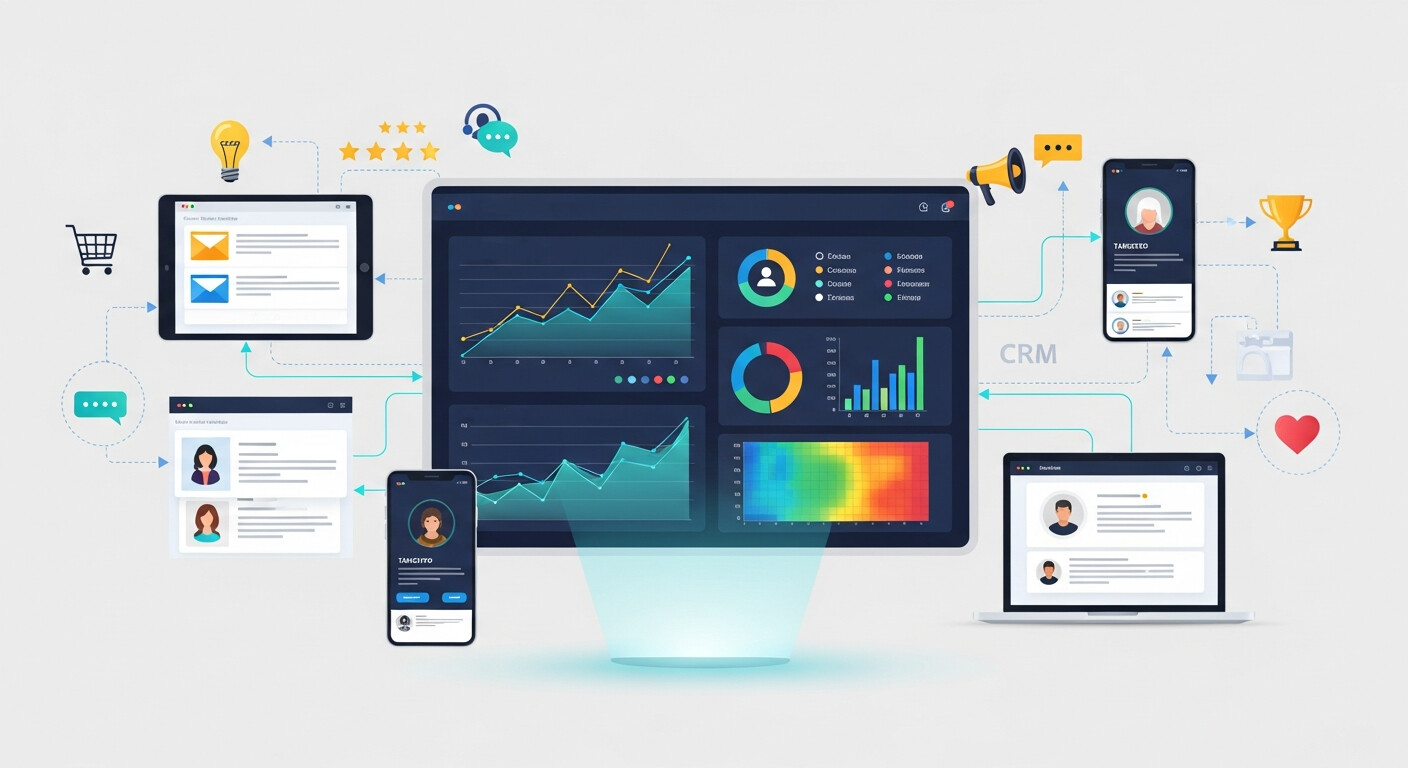
For e-commerce businesses, data-driven marketing allows you to understand exactly where potential customers drop off in their purchase journey. One common challenge is cart abandonment, where shoppers add products to their cart but leave without completing the purchase. With a data-driven marketing solution, you can identify these users in real time and retarget them with highly personalized messages. For instance, sending a “Still thinking it over?” email that references the specific products they viewed, combined with a limited-time discount or free shipping offer, can significantly increase the chances of conversion. Beyond email, you can also use retargeting ads on social media or search engines to stay top-of-mind. By leveraging behavioral data and purchase history, your campaigns become more strategic, relevant, and effective, ultimately increasing sales while reducing wasted ad spend.
SaaS Companies
SaaS companies face a unique challenge in converting trial users into paying customers. A data-driven marketing solution helps by monitoring user engagement during trial periods and identifying patterns that indicate low engagement or potential churn. For example, if a new user hasn’t logged in during the first three days after signing up, the system can automatically trigger onboarding emails with personalized tutorials, tips, or use-case suggestions tailored to their profile. This targeted approach ensures users see value quickly and reduces the risk of abandonment. Additionally, by analyzing feature usage and engagement metrics, SaaS companies can refine their product roadmap, enhance customer support, and design campaigns that encourage upsells or upgrades. With data driving every decision, marketing efforts become proactive, personalized, and measurable.
Retail Chains
For retail chains, both online and offline, a data-driven marketing solution provides deep insights into customer behavior, product performance, and regional demand. By analyzing point-of-sale data, e-commerce activity, and customer loyalty programs, retailers can identify which products are popular in specific locations and tailor marketing campaigns accordingly. For example, if a particular style of jacket is trending in a certain city, targeted email campaigns, social media ads, and in-store promotions can be launched to maximize sales. Inventory can also be optimized based on these insights, ensuring high-demand products are stocked in the right locations while reducing overstock of slower-moving items. Additionally, understanding regional trends helps retailers plan seasonal promotions, bundle offers, and loyalty incentives more strategically. Overall, a data-driven approach ensures marketing, sales, and operations work in harmony, driving profitability and customer satisfaction.
Challenges of Data-Driven Marketing (and How to Overcome Them)
Data Overload
While having access to large volumes of data is valuable, too much information can actually slow down decision-making and make it difficult to focus on what truly matters. In a data-driven marketing solution, the key is prioritizing metrics that align directly with your campaign goals. By identifying the most relevant KPIs—such as conversion rates, engagement metrics, or customer lifetime value—you can focus your analysis on actionable insights rather than getting lost in irrelevant numbers. Effective dashboards and reporting tools can help filter and visualize the data, ensuring your team can make informed, timely decisions without being overwhelmed.
Lack of Expertise
Implementing a data-driven marketing solution can be challenging, especially for small teams or businesses without dedicated analytics experts. Interpreting large datasets and extracting actionable insights may feel overwhelming at first. However, modern marketing tools often come with built-in analytics, AI-powered recommendations, and intuitive dashboards that make it easier to understand complex data. Investing in these tools—and combining them with training for your team—ensures that even smaller businesses can leverage data-driven marketing effectively. This approach not only improves campaign performance but also empowers teams to make confident, data-backed decisions without requiring extensive technical expertise.
Example Tool Recommendation:
- Jasper is an AI tool that simplifies content generation for targeted, data-backed campaigns.
Start Leveraging Data Today
Using a data-driven marketing solution is no longer optional; it’s a business imperative. With precise targeting, improved customer experiences, and higher returns on investment, your marketing strategies can go beyond guesswork and become a repeatable process for growth.
Don’t leave money on the table. Start using a data-driven approach and see the difference it makes for your brand.
While understanding what a data-driven marketing solution is helps businesses recognize the value of leveraging insights, exploring how data analysis fuels smarter product marketing decisions demonstrates the practical impact of those solutions in driving targeted growth and innovation.
Frequently Asked Questions (FAQ)
What does “data-driven marketing” actually mean?
Data-driven marketing refers to using customer data—such as behavior, demographics, and purchase history—to create smarter, more targeted, and more effective marketing campaigns.
Why is a data-driven marketing solution important for businesses today?
Because it eliminates guesswork, helps personalize customer experiences, improves ROI, and ensures your marketing budget is spent on channels that actually perform.
What types of data should my business collect?
Key data categories include demographic data (age, gender, location), behavioral data (clicks, page visits, purchase patterns), and engagement metrics (open rates, response rates, conversions).
What tools are used in data-driven marketing?
Popular tools include Google Analytics, HubSpot, Salesforce, Tableau, Klaviyo, Mailchimp, Zoho CRM, and AI-powered platforms for automation and predictive analysis.
How does AI help in data-driven marketing?
AI analyzes huge volumes of data quickly, predicts customer behavior, and automates personalized campaigns—saving time and improving accuracy.
Can small businesses benefit from data-driven marketing?
Absolutely. Even simple tools like email analytics, CRM systems, and basic automation platforms allow small businesses to personalize messaging and improve customer retention.
How does data improve personalization in marketing?
Data tells you what customers like, when they engage most, and what motivates their purchases. This allows you to send personalized recommendations, reminders, and targeted offers.
What are the biggest challenges of data-driven marketing?
Common challenges include data overload, lack of analytics expertise, choosing the right tools, and organizing large volumes of customer data.
How do I start implementing a data-driven marketing solution?
Begin by defining your goals, collecting relevant data, segmenting your audience, choosing the right tools, and using AI-powered insights to optimize your campaigns.
How does data-driven marketing improve ROI?
It helps businesses focus only on high-performing channels and campaigns, reduces unnecessary ad spend, increases conversions, and improves customer lifetime value.
Can data-driven marketing improve content strategy?
Absolutely. Insights from customer behavior, engagement metrics, and campaign performance can inform which topics, formats, and channels resonate most with your audience. This makes content creation more strategic and effective.



Leave a Reply