

Marketing has always been a blend of art and science. The “art” is the creative spark—the compelling story, the stunning visual. The “science” is understanding the audience, measuring results, and refining the approach. For years, the science part relied on manual data analysis, which was often slow, cumbersome, and incomplete. Marketers had data, but unlocking its full potential was a significant challenge.
The rise of artificial intelligence has tipped the scales, supercharging the science of marketing. AI gives marketers the ability to process and understand vast datasets at a speed and scale that was previously unimaginable. This isn’t just about automating old processes; it’s about creating entirely new capabilities. By integrating AI, data-driven marketing evolves from a reactive practice into a predictive, personalized, and highly efficient engine for growth.
This article explores how AI is revolutionizing data-driven marketing. We will examine the core applications of AI in marketing, from enhancing customer insights to automating entire campaigns. You’ll gain a clear understanding of how these technologies work and how you can leverage them to create more effective strategies, foster stronger customer relationships, and achieve a greater return on your marketing investment.
Unlocking Deeper Customer Insights with AI
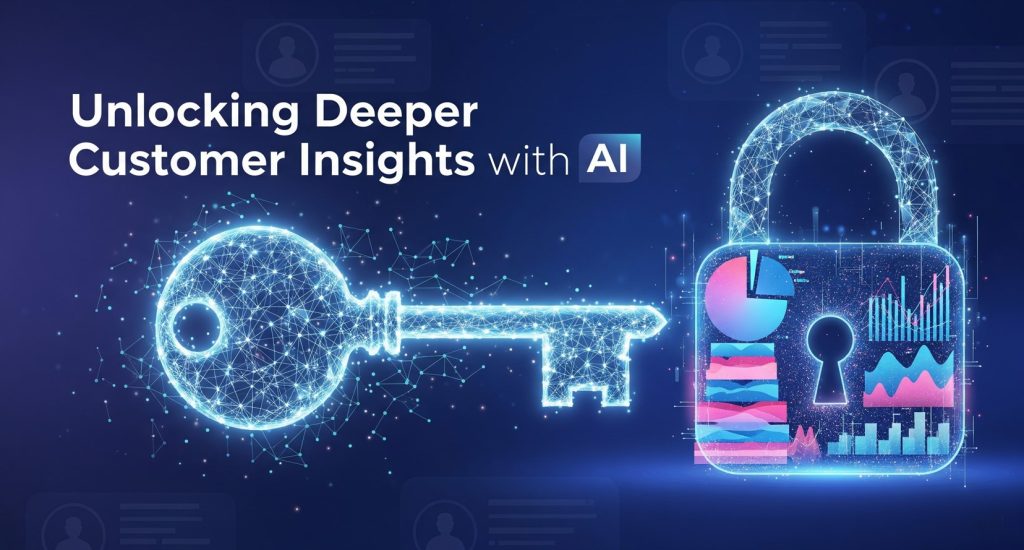
At the heart of any successful marketing strategy is a deep understanding of the customer. Traditional methods like surveys and focus groups provide valuable but often limited snapshots. AI-powered analytics, on the other hand, can analyze millions of data points in real time to create a dynamic, multi-dimensional view of your audience.
Predictive Analytics
One of the most powerful applications of AI in data-driven marketing is predictive analytics. Instead of just looking at what customers have done in the past, predictive models use historical data and machine learning algorithms to forecast future behaviors.
- Customer Churn Prediction: AI can identify customers who are at risk of leaving your service. By analyzing factors like declining engagement, support ticket frequency, or changes in purchase habits, the system can flag at-risk accounts, allowing you to proactively intervene with retention offers or personalized outreach.
- Lifetime Value (LTV) Forecasting: Predicting the total revenue a customer will generate over their entire relationship with your brand is crucial for resource allocation. AI models can forecast LTV with high accuracy, helping you decide how much to invest in acquiring and retaining different customer segments.
Advanced Audience Segmentation
Traditional segmentation often relies on broad demographic categories like age, location, or gender. AI allows for much more sophisticated micro-segmentation based on actual behavior. It can group customers based on their browsing patterns, purchase history, content consumption, and even their likelihood to respond to certain types of messaging. This enables hyper-targeted campaigns that resonate more deeply with smaller, more specific audience groups.
Personalizing the Customer Journey at Scale
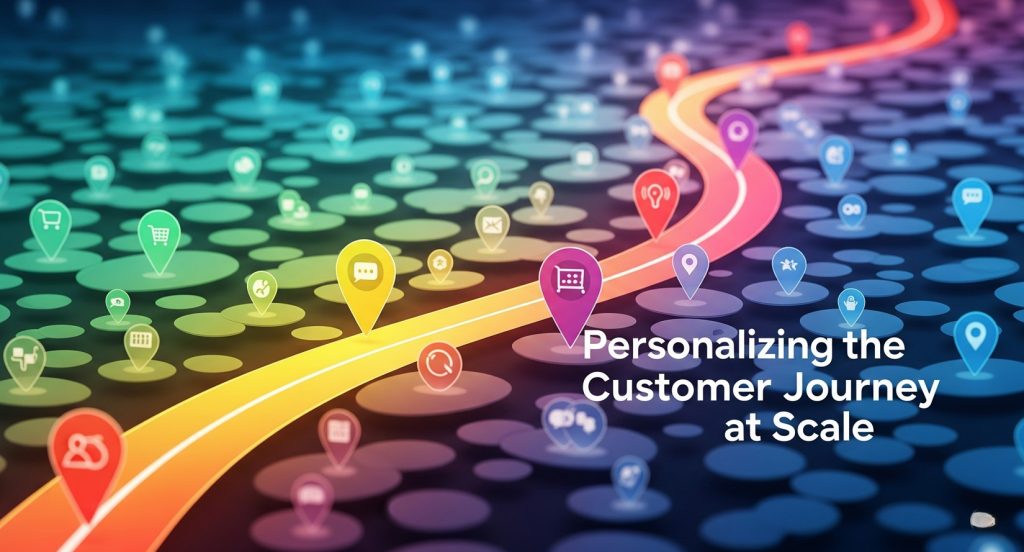
Personalization is an expectation, not a luxury. AI can dynamically adapt content, recommend products, and optimize communication timing across channels. For more insights, see how personalized data-driven marketing works.
Dynamic Content and Product Recommendations
E-commerce giants like Amazon and streaming services like Netflix have mastered the art of AI-driven recommendations. Their algorithms analyze your past behavior to suggest products or content you’re likely to enjoy. This same technology is now accessible to businesses of all sizes.
AI-powered systems can dynamically change the content of a website or an email based on who is viewing it. A returning customer might see products related to their last purchase, while a new visitor might be shown the most popular items. This level of personalization significantly increases engagement and conversion rates.
Tailored Communication
AI can also personalize the timing and channel of your marketing messages. By analyzing when a customer is most active, an AI system can schedule emails or push notifications to be sent at the optimal time for engagement. It can also determine whether a customer is more likely to respond to an email, an SMS message, or a social media ad, ensuring your message is delivered through the most effective channel.
Optimizing Marketing Campaigns with AI
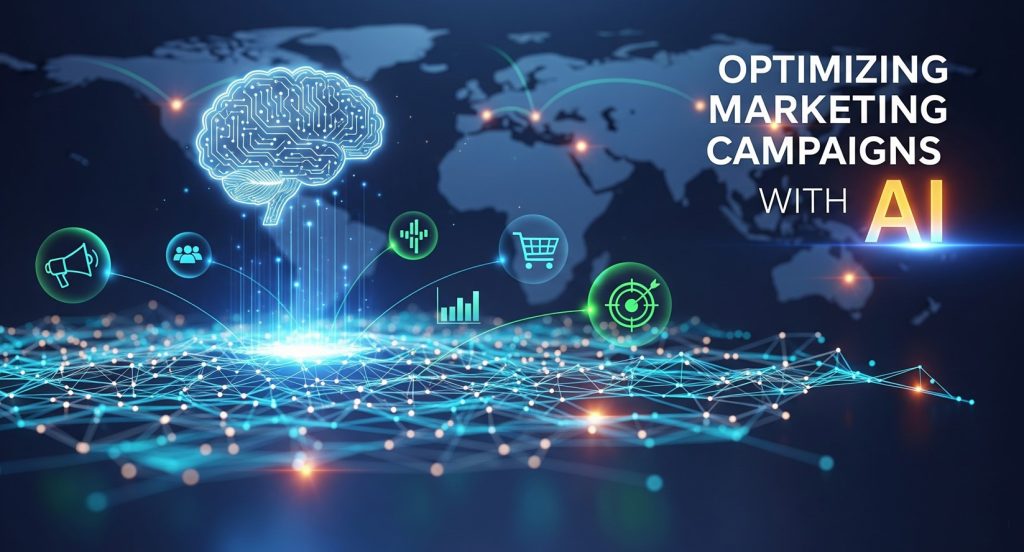
Data-driven marketing is an iterative process of launching, measuring, and optimizing campaigns. AI automates and enhances this optimization loop, leading to more efficient spending and better results.
Automated Bidding and Media Buying
In the world of digital advertising, AI has transformed how ad placements are bought and sold. Programmatic advertising platforms use machine learning algorithms to automate the bidding process for ad space in real time. These systems can analyze hundreds of variables—including user demographics, browsing behavior, time of day, and device type—to determine the optimal bid for each individual ad impression. This ensures that your ad budget is spent on reaching the most relevant audience at the lowest possible cost.
A/B Testing and Creative Optimization
A/B testing different versions of an ad or landing page is a fundamental part of data-driven marketing. AI takes this concept to the next level with multivariate testing. Instead of just testing two versions against each other, AI can test thousands of combinations of headlines, images, calls-to-action, and colors simultaneously. It quickly identifies the top-performing combinations and automatically allocates more budget to them, accelerating the optimization process and maximizing campaign performance.
Continuous Learning and Improvement
AI-powered marketing is not static. Machine learning models continually learn from new data, improving their accuracy and effectiveness over time. Every customer interaction, campaign outcome, and conversion event feeds into the AI system, creating a cycle of continuous learning.
This iterative improvement allows marketers to respond rapidly to changing consumer behavior, market conditions, or competitor actions. AI systems can identify emerging trends, forecast demand shifts, and recommend adjustments in real time. By integrating this continuous learning process into your marketing strategy, businesses can maintain a competitive edge while maximizing ROI.
AI-Driven Marketing Attribution
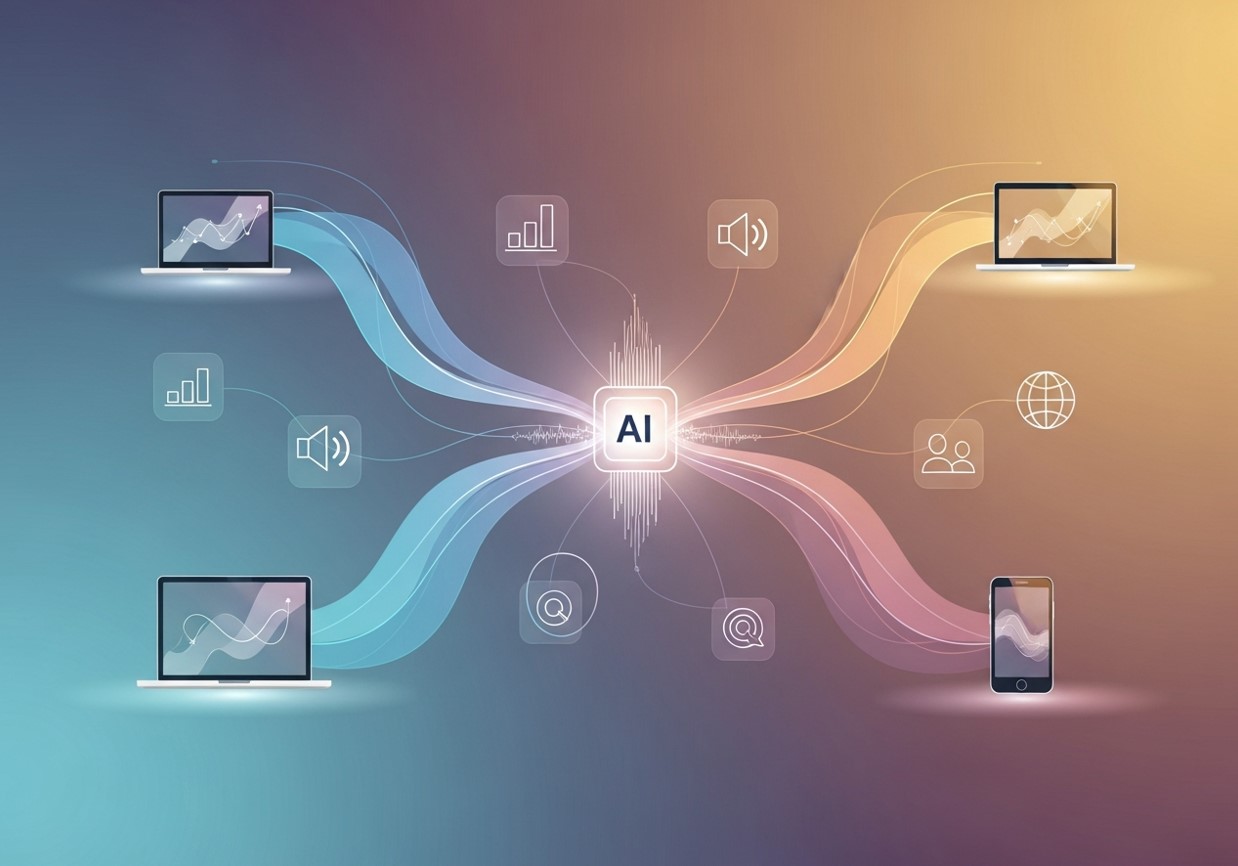
One of the biggest challenges in marketing has always been accurately measuring ROI. Traditional attribution models often fall short, failing to account for the many touchpoints that influence a customer’s decision. AI-based attribution models analyze complex data across multiple channels and devices, accurately tracking interactions from first touch to final conversion. This allows marketers to allocate budgets effectively and optimize campaigns for maximum ROI. For marketers running multi-channel campaigns, web development and app marketing
These systems track customer interactions from the first touchpoint to the final conversion, identifying which campaigns, messages, or offers had the greatest influence. Machine learning algorithms can assign weighted credit to each interaction, even in long and nonlinear buyer journeys. This level of precision enables marketers to allocate budgets more effectively, prioritize high-performing channels, and continually refine campaigns for maximum impact.
AI in Email Marketing
Email marketing remains a cornerstone of digital marketing, but AI is taking it to the next level. AI-driven platforms can personalize subject lines, optimize send times, and segment audiences dynamically.
By analyzing open rates, click-through rates, and past engagement, AI systems can automatically adjust campaigns for better performance. For example, an AI tool might determine that a certain segment prefers product recommendations via email, while another engages more with educational content. This level of personalization increases both engagement and conversion rates.
AI for SEO and Content Optimization
Search engine optimization (SEO) is highly data-intensive, and AI can dramatically enhance strategy and execution. AI tools can analyze search trends, competitor content, and user intent to identify high-value keywords and content gaps.
Moreover, AI-driven content optimization ensures that your pages meet search engine requirements while also appealing to human readers. From headline generation to meta descriptions and semantic keyword usage, AI enables marketers to create SEO-friendly content efficiently. Predictive analytics can also forecast which keywords or topics are likely to gain traction, allowing you to stay ahead of competitors.
AI for Customer Retention and Loyalty
Retaining customers is often more profitable than acquiring new ones. AI can predict churn, identify at-risk customers, and suggest personalized retention strategies.
For instance, subscription-based businesses can use AI to monitor engagement trends, usage patterns, and support interactions. When the system detects signs of disengagement, it can trigger tailored retention campaigns, such as exclusive offers, personalized content, or loyalty rewards. By addressing churn proactively, brands can maintain higher lifetime value and build stronger long-term relationships.
AI-Driven Paid Advertising Optimization
Paid advertising is complex, involving numerous platforms, bidding strategies, and audience segments. AI simplifies this by automating bidding, optimizing ad placement, and continuously analyzing campaign performance.
AI systems can dynamically adjust budgets across campaigns based on performance metrics, ensuring that ad spend is directed toward the highest-converting opportunities. This reduces wasted spend, improves ROI, and allows marketers to experiment with new creative formats or platforms safely. AI also enables predictive targeting, showing ads to users most likely to convert before they even engage, increasing efficiency and effectiveness.
AI in Voice and Visual Search Marketing
Voice and visual search are becoming mainstream. AI helps optimize content for natural language queries and image-based searches. Check data-driven marketing: the future of audience reach
For voice search, AI can analyze natural language queries to optimize website content, FAQs, and product descriptions. For visual search, AI-powered tools can tag images, recommend visually similar products, and enhance e-commerce search functionality. By embracing these technologies, marketers can reach audiences using modern search behaviors and capture attention in a more intuitive way.
Scaling Marketing Operations with AI
AI doesn’t just optimize existing marketing activities; it also enables scaling operations efficiently. Small marketing teams can run sophisticated, multi-channel campaigns that previously required extensive human resources. AI automates repetitive tasks such as email segmentation, ad placement, and social media scheduling, freeing marketers to focus on strategy and creativity.
Moreover, AI-driven insights help businesses expand into new markets. By analyzing customer behaviors, cultural preferences, and local trends, AI can guide targeted campaigns in regions where marketers may lack first-hand experience. This combination of automation, insight, and predictive guidance makes marketing operations more agile, scalable, and cost-effective.
Continuous Learning and Improvement
AI-powered marketing is not static. Machine learning models continually learn from new data, improving their accuracy and effectiveness over time. Every customer interaction, campaign outcome, and conversion event feeds into the AI system, creating a cycle of continuous learning.
This iterative improvement allows marketers to respond rapidly to changing consumer behavior, market conditions, or competitor actions. AI systems can identify emerging trends, forecast demand shifts, and recommend adjustments in real time. By integrating this continuous learning process into your marketing strategy, businesses can maintain a competitive edge while maximizing ROI.
The Future of Data-Driven Marketing is Intelligent
Integrating AI into your marketing strategy is no longer a futuristic concept—it’s a present-day necessity for staying competitive. By leveraging AI, you can move beyond basic data analysis and unlock a new level of insight, personalization, and efficiency. From predicting customer needs to automating complex campaigns, AI empowers marketers to make smarter decisions and deliver more impactful results.
The journey starts with embracing the potential of your data. Begin by identifying key areas where AI can make the biggest difference, whether it’s improving customer segmentation, personalizing your website experience, or optimizing your ad spend. By taking a strategic and phased approach, you can build a more intelligent, effective, and data-driven marketing function that drives sustainable growth for your business.
Frequently Asked Questions (FAQ)
How can small businesses benefit from AI-driven marketing?
Small businesses may have limited resources but can leverage AI to automate repetitive tasks, gain deep customer insights, and deliver personalized campaigns at scale. AI tools level the playing field, allowing smaller teams to run sophisticated campaigns and optimize budget allocation efficiently.
Is AI only useful for online marketing?
No. AI benefits offline channels as well. For instance, predictive analytics can optimize in-store promotions, recommend product placements, or forecast demand in physical locations. AI can also enhance events and experiential marketing by personalizing attendee experiences.
What data is needed for AI in marketing?
AI thrives on structured and unstructured data, including customer demographics, purchase history, website behavior, email engagement, social media interactions, and even support tickets. The more comprehensive and clean your data, the more accurate and effective AI insights will be.
Can AI replace human marketers?
AI enhances human marketers rather than replacing them. While it automates repetitive and data-intensive tasks, humans are essential for strategy, creativity, and interpreting nuanced insights. AI and human expertise work best together to achieve optimal results.
How do I start integrating AI into my marketing strategy?
Begin with areas that provide immediate value, such as customer segmentation, personalized campaigns, or predictive analytics. Start small, measure results, and gradually expand AI applications. Partnering with AI-savvy vendors or platforms can accelerate adoption while minimizing risks.
What are common pitfalls to avoid with AI in marketing?
Avoid over-reliance on automation without human oversight, neglecting data quality, and ignoring privacy compliance. Additionally, ensure AI models are regularly audited to prevent bias and maintain ethical marketing practices.



Leave a Reply