

Data-driven direct marketing uses customer data to send highly targeted, personalized messages. This approach replaces generic mail with relevant content that boosts engagement, increases ROI, and strengthens customer relationships.
Direct marketing has been a staple for businesses for decades, from catalogs arriving in the mail to promotional flyers tucked into newspapers. But its effectiveness has often been a numbers game—send out enough materials, and eventually, someone will bite. This approach, however, can be costly and inefficient. What if you could send the right message to the right person at exactly the right time? This is the promise of data-driven direct marketing.
By combining the tangible, personal touch of direct mail with the precision of digital analytics, businesses can create campaigns that are not only more effective but also build stronger customer relationships. This approach moves beyond guesswork, relying on concrete data to understand customer behavior, preferences, and needs. This post will explore how data-driven marketing is reshaping the direct mail landscape and how your business can harness its power to achieve remarkable results. We will cover what it is, why it’s essential, and the steps you can take to implement a successful strategy.
What is Data-Driven Direct Marketing?

Data-driven direct marketing is a strategy that uses customer data to inform and personalize direct marketing campaigns. Instead of sending generic promotions to a broad audience, this approach leverages insights to tailor messages, offers, and timing to individual recipients. The goal is to make each piece of communication feel personal, relevant, and valuable.
The data used can come from various sources:
- Transactional Data: Purchase history, frequency, and average order value.
- Demographic Data: Age, gender, location, and income level.
- Behavioral Data: Website visits, email engagement, social media activity, and past interactions with your brand.
- Psychographic Data: Lifestyle, interests, values, and opinions.
By analyzing this information, marketers can segment their audience into specific groups and create highly targeted campaigns. For example, a clothing retailer might send a special offer on winter coats to customers who live in colder climates and have previously purchased outerwear. This level of personalization significantly increases the chances of engagement and conversion.
Why Your Business Needs a Data-Driven Approach

Shifting from traditional mass mailings to a data-driven marketing strategy offers a multitude of benefits that can transform your customer outreach and boost your bottom line. It’s about working smarter, not just harder.
Personalized messaging stands out in a crowded marketing environment. For additional strategies, see mastering data-driven marketing in 5 easy steps.
Unmatched Personalization
Today’s consumers are bombarded with marketing messages. Generic, one-size-fits-all promotions are easily ignored. Data allows you to create hyper-personalized content that speaks directly to the individual’s needs and interests. A message that feels like it was made just for them is far more likely to capture their attention and drive action. This could be as simple as using their name or as complex as recommending products based on their past browsing history.
Enhanced ROI
While direct mail can have higher upfront costs than digital channels, a data-driven approach ensures your budget is spent effectively. By targeting only the most receptive audiences, you reduce waste on printing and postage for uninterested recipients. This precision leads to higher response rates and a greater return on investment (ROI). You’re no longer casting a wide, expensive net; you’re using a well-aimed spear.
Deeper Customer Relationships
Personalized communication shows customers that you understand and value them. When you consistently provide relevant offers and information, you build trust and loyalty. This fosters a stronger, long-term relationship that extends beyond a single transaction. Customers are more likely to stick with a brand that “gets” them.
Improved Measurement and Optimization
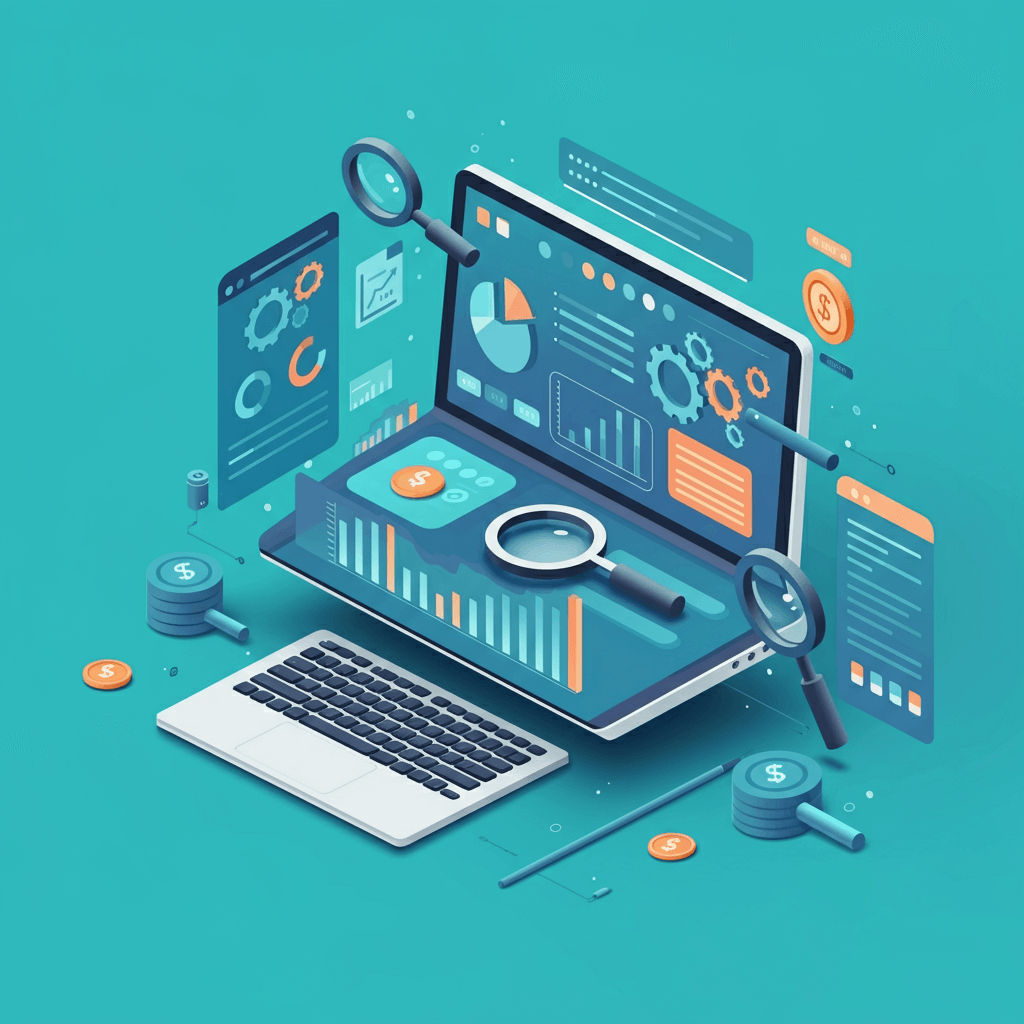
One of the most significant advantages of data-driven marketing is the ability to track and measure results accurately. By using unique promo codes, QR codes, or personalized URLs (PURLs), you can attribute responses directly to specific campaigns. This data provides valuable feedback, allowing you to refine your strategy over time, test different approaches, and continuously improve your campaign performance.
6 Steps to Build a Data-Driven Direct Marketing Strategy
Implementing a successful data-driven marketing campaign requires a systematic approach. Follow these six steps to build a strategy that delivers results.
Define Your Campaign Goals
Before you dive into the data, you need to know what you want to achieve. Are you trying to acquire new customers, reactivate dormant ones, increase customer loyalty, or drive traffic to a physical store? Your goal will determine the data you need, the audience you target, and the metrics you use to measure success. Clear, specific, and measurable objectives are the foundation of any effective campaign.
Collect and Consolidate Your Data
Your customer data might be scattered across various platforms—your CRM, e-commerce site, email marketing tool, and point-of-sale system. The first step is to bring all this information together into a single, unified view. This “single customer view” is crucial for getting a complete picture of each customer’s journey and interactions with your brand. Ensure your data is clean, accurate, and up-to-date to avoid costly errors.
Segment Your Audience
With your data consolidated, you can begin to segment your audience into meaningful groups. Segmentation can be based on various criteria:
- Demographics: Targeting based on age, location, or gender.
- Purchase Behavior: Grouping customers by their purchase frequency, last purchase date, or product preferences.
- Engagement Level: Separating highly engaged customers from those who are at risk of churning.
- Predictive Models: Using advanced analytics to identify customers who are most likely to respond to a particular offer.
Effective segmentation allows you to tailor your message and offer to the unique characteristics of each group.
Craft Your Personalized Message
Now comes the creative part. Use the insights from your data to develop compelling, personalized content for each segment. This goes beyond just inserting a customer’s name.
- Relevant Offers: Create promotions based on past purchases or browsing behavior. For example, offer a discount on a product a customer has viewed several times online.
- Dynamic Content: Use variable data printing (VDP) to change images, text, and calls to action on each mail piece based on the recipient’s data.
- Timely Communication: Trigger mailings based on specific customer actions, such as a recent purchase, a birthday, or a period of inactivity.
Execute and Track Your Campaign
Once your mail pieces are designed and printed, it’s time to launch the campaign. The work doesn’t stop there. It’s essential to have a system in place for tracking responses. As mentioned earlier, methods like unique promo codes, custom landing pages (PURLs), and QR codes are effective ways to measure engagement. This tracking provides the data you need to evaluate the campaign’s success.
Analyze and Refine
The final step is to analyze the results and use those insights to improve future campaigns. Which segments had the highest response rates? Which offers were most effective? What creative elements resonated most with your audience? Data-driven marketing is an iterative process. By continuously learning from your campaigns, you can refine your strategy and achieve even better results over time.
Creative Strategies for High-Converting Direct Mail
As data empowers marketers to send the right message at the right time, creativity becomes the catalyst that transforms a well-targeted campaign into a memorable experience. The physical nature of direct mail gives brands opportunities to stand out in ways the digital world often can’t replicate.
Tailored visuals, interactive formats, and high-quality printing techniques can dramatically increase engagement. For instance, a real estate agency might send personalized postcards featuring neighborhood homes similar to the recipient’s browsing history. A beauty brand could include product samples based on past purchases. Loyalty programs can send personalized milestone mailings celebrating anniversaries or reward achievements.
The creative execution should reinforce the emotional connection established through personalization. When a recipient holds a piece of mail that feels thoughtfully designed and uniquely relevant, the likelihood of conversion increases—often before they even scan the QR code or enter the URL. Creativity brings data to life and transforms information into impact.
Personalization combined with creativity drives engagement. Tailored visuals, interactive formats, and high-quality print can make a campaign memorable. Explore 5 examples of data-driven marketing and why they work for inspiration.
Compliance, Privacy, and Ethical Use of Customer Data
With great access to customer information comes great responsibility. Data-driven marketing must be built upon ethical practices that respect customer privacy and comply with regulations. Transparency builds trust and turns compliance into a competitive advantage. Learn about ethical data-driven communications for best practices.
Transparency should be central to your strategy. Customers want to understand how their data is being used and what value they receive in return. When you openly communicate how information improves their experience—through more relevant offers, fewer irrelevant messages, or better customer service—you turn compliance into a competitive advantage.
Additionally, ethical data use means never collecting more information than you need, securing your databases, and giving customers control over their preferences. A strong privacy foundation ensures that your direct marketing efforts strengthen relationships rather than jeopardize them.
The Future of Data-Driven Direct Marketing

As AI and machine learning become more sophisticated, the future of direct marketing is poised to be even more intelligent and predictive. Instead of simply reacting to past customer behavior, advanced algorithms will allow marketers to anticipate needs before customers express them.
Predictive analytics can forecast which customers are most likely to make a purchase within the next 30 days, who may churn, or which products will resonate with specific individuals. Generative AI can create dynamic, hyper-personalized content on demand—everything from custom product recommendations to personalized imagery and messaging.
The rise of connected devices and smart home technologies will create even more touchpoints, feeding data ecosystems that enhance the accuracy of predictive models. Direct mail itself is evolving, incorporating NFC chips, augmented reality, and interactive elements that blend print with digital in highly immersive ways.
In the coming years, the most successful brands will be those that use data not just as a tool for optimization, but as a foundation for building personalized, meaningful, human-centered marketing experiences.
The Technology Powering Data-Driven Direct Marketing
Modern data-driven direct marketing wouldn’t be possible without the technological infrastructure that collects, organizes, and activates customer insights. Today’s marketers rely on a combination of tools—customer data platforms (CDPs), CRM systems, automation software, and advanced analytics platforms—that work together to create a unified understanding of each customer.
A Customer Data Platform, for instance, pulls information from multiple channels and connects the dots between online and offline behavior. This creates a single profile for each customer, allowing marketers to see exactly how someone interacted with an email, browsed the website, or made past purchases. These unified profiles are what make personalized printers capable of generating unique images or messages for each direct mail piece. What once required massive manual effort is now automated, scalable, and incredibly precise.
Additionally, automation platforms allow marketers to trigger mail campaigns based on real-time behavior—like sending a follow-up postcard when a customer abandons their cart or a loyalty reward when they hit a spending milestone. This blend of data intelligence and automation is transforming direct mail from a static medium into a dynamic, responsive part of the customer journey.
Tools like Customer Data Platforms (CDPs), CRM systems, and automation software make campaigns scalable and precise. For more on integrating technology into marketing, see the power of data-driven marketing automation in modern business.
A More Connected Future
Data-driven direct marketing represents a powerful evolution from the scattergun mailings of the past. By leveraging customer data to deliver personalized, relevant, and timely communications, businesses can cut through the noise, create meaningful connections, and achieve a significantly higher return on their marketing investment. While the process requires careful planning and the right tools, the benefits of building a smarter, more effective direct marketing strategy are undeniable.
Start by focusing on the data you already have and identifying a clear, achievable goal. As you begin to see results, you can expand your efforts and explore more advanced techniques. The journey to a fully optimized data-driven marketing program is ongoing, but each step brings you closer to your customers and your business objectives.
Frequently Asked Questions (FAQ)
Is data-driven direct marketing only for large enterprises?
Not at all. While big companies may have more advanced tools, small and medium businesses can still benefit tremendously from data-driven strategies. Even basic customer information—like purchase history or location—can drastically improve targeting and personalization. Many affordable tools exist that make data-driven marketing accessible to nearly any business.
How accurate does my data need to be for this strategy to work?
Accuracy is crucial. Inaccurate or outdated data can lead to irrelevant messaging and wasted budget. Start by conducting regular data clean-ups and ensuring information is consistently updated across all your platforms. You don’t need perfect data, but it should be reliable enough to guide your targeting and personalization decisions.
What types of direct mail work best with data-driven marketing?
Personalized postcards, letters, catalogs, brochures, and even dimensional mailers can all benefit from data-driven techniques. The best format depends on your goal: postcards for quick offers, catalogs for showcasing many products, and letters for more formal communication. The key is aligning the format with your message and audience insights.
How can I measure the success of a direct mail campaign?
Measuring results is easier than ever. You can use unique promo codes, QR codes, personalized URLs, phone extensions, or tracking phone numbers to tie actions directly back to your campaign. Many businesses also compare performance before and after implementation to identify improvement trends.
Does personalization really make that much of a difference?
Absolutely. Personalized direct mail has consistently been shown to significantly outperform generic campaigns. When content is relevant, recipients are more likely to open, read, and respond. Personalization also strengthens emotional connection, which boosts both conversion rates and long-term loyalty.
What is the biggest challenge in data-driven direct marketing?
The most common challenge is data integration—bringing data from multiple systems into a single, unified customer view. Without this, your insights remain fragmented. Another challenge is maintaining data privacy and security, which requires ongoing attention and investment.
How often should I run direct mail campaigns?
Frequency depends on your business, goals, and audience. Some brands send monthly mailers, while others focus on triggered campaigns based on customer actions. The key is maintaining consistency without overwhelming your audience. Let data guide your timing, not guesswork.



Leave a Reply