

Data-driven marketing analytics helps businesses make smarter, evidence-based decisions. By analyzing customer and campaign data, companies can improve ROI, personalize experiences, optimize marketing, and stay ahead of competitors.
What Is Data Driven Marketing Analytics?
Data driven marketing analytics is the practice of collecting, analyzing, and interpreting marketing data to make informed decisions about your marketing strategies and campaigns. Rather than relying on assumptions or traditional approaches, this methodology uses concrete evidence from customer interactions, campaign performance, and market trends to guide marketing efforts.
This approach encompasses several key components:
Data Collection: Gathering information from multiple touchpoints including websites, social media platforms, email campaigns, customer surveys, and sales interactions. Modern businesses typically collect data from dozens of sources simultaneously.
Analysis and Interpretation: Using statistical methods, machine learning algorithms, and analytical tools to identify patterns, trends, and insights within the collected data. This process transforms raw numbers into actionable intelligence.
Strategic Implementation: Applying these insights to optimize marketing campaigns, improve customer targeting, personalize experiences, and allocate resources more effectively.
The power of data driven marketing analytics lies in its ability to provide measurable, repeatable results that can be continuously refined and improved.
Why Data Driven Marketing Analytics Matters
Businesses that implement robust data driven marketing analytics strategies consistently outperform their competitors. Here’s why this approach has become essential for modern marketing success:
Improved Return on Investment
Marketing budgets are under constant scrutiny, and data driven marketing analytics provides clear visibility into which channels, campaigns, and strategies deliver the best ROI. Companies can identify high-performing initiatives and reallocate resources from underperforming areas, resulting in more efficient spending and better overall results. For tips on measuring ROI, see data-driven marketing ROI: how to measure.
Enhanced Customer Understanding
Analytics reveal detailed insights about customer behavior, preferences, and purchasing patterns. This deep understanding enables marketers to create more relevant messaging, develop products that meet actual customer needs, and identify new market opportunities.
Personalization at Scale
Data driven marketing analytics makes it possible to deliver personalized experiences to thousands or millions of customers simultaneously. By analyzing individual customer data and behavioral patterns, businesses can customize content, product recommendations, and communication timing for each person. Check out our predictive, real-time personalized marketing guide for examples.
Competitive Advantage
Organizations that excel at data driven marketing analytics can respond faster to market changes, identify emerging trends before competitors, and make strategic decisions based on evidence rather than guesswork. This agility creates significant competitive advantages in rapidly evolving markets.
Essential Types of Marketing Analytics Data

Successful data driven marketing analytics relies on collecting and analyzing various types of data. Understanding these categories helps ensure you’re gathering comprehensive information to inform your marketing decisions.
Customer Demographics and Psychographics
Basic demographic information such as age, location, income level, and education provides foundational customer insights. Psychographic data goes deeper, revealing interests, values, lifestyle preferences, and motivational factors that drive purchasing decisions.
Behavioral Data
This includes website browsing patterns, email engagement rates, social media interactions, purchase history, and customer service touchpoints. Behavioral data shows what customers actually do, rather than what they say they do, making it particularly valuable for predictive analytics. Explore our data-driven social media marketing article for behavioral tracking examples.
Campaign Performance Metrics
Track metrics such as click-through rates, conversion rates, cost per acquisition, lifetime customer value, and attribution data across all marketing channels. This information helps optimize individual campaigns and understand the customer journey across multiple touchpoints.
Market and Competitive Intelligence
External data about industry trends, competitor activities, economic indicators, and market conditions provides context for your internal analytics and helps identify new opportunities or potential threats.
Key Tools for Data Driven Marketing Analytics

The right technology stack is crucial for effective data driven marketing analytics implementation. Here are the essential categories of tools you’ll need:
Analytics Platforms
Google Analytics, Adobe Analytics, and similar platforms provide comprehensive website and digital marketing analytics. These tools track user behavior, conversion paths, and campaign performance across digital channels.
Customer Relationship Management (CRM) Systems
CRM platforms like Salesforce, HubSpot, and Microsoft Dynamics centralize customer data and provide insights into the entire customer lifecycle. They’re essential for understanding customer relationships and sales pipeline analytics.
Business Intelligence Tools
Platforms such as Tableau, Power BI, and Looker help visualize complex data sets and create dashboards that make analytics insights accessible to stakeholders across your organization.
Marketing Automation Platforms
Tools like Market, Pardot, and Mailchimp not only execute marketing campaigns but also collect valuable data about customer responses and engagement patterns.
Data Management Platforms
These systems help organize and unify data from multiple sources, ensuring you have a complete view of your marketing performance and customer interactions.
Implementing Data Driven Marketing Analytics

Successfully implementing data driven marketing analytics requires a systematic approach that goes beyond simply purchasing tools and collecting data.
Define Clear Objectives
Start by identifying specific business goals you want to achieve through data driven marketing analytics. Whether it’s increasing customer acquisition, improving retention rates, or optimizing marketing spend, clear objectives guide your entire analytics strategy.
Establish Data Governance
Create policies and procedures for data collection, storage, analysis, and usage. This includes ensuring compliance with privacy regulations, maintaining data quality standards, and establishing access controls for sensitive information.
Build Analytics Capabilities
Invest in training your team or hiring professionals with data analysis skills. Successful data driven marketing analytics requires people who can interpret data correctly and translate insights into actionable strategies.
Start Small and Scale
Begin with a focused pilot project that demonstrates the value of data driven marketing analytics. Use these early wins to build organizational support and gradually expand your analytics capabilities across more marketing functions.
Create Feedback Loops
Establish processes for regularly reviewing analytics results, testing hypotheses, and refining your approach based on what you learn. Continuous improvement is essential for long-term success.
Common Challenges and Solutions
While data driven marketing analytics offers tremendous benefits, organizations often face several challenges during implementation.
Data Quality Issues
Poor data quality can undermine your entire analytics effort. Combat this by implementing data validation processes, regular audits, and clear standards for data entry and management.
Integration Complexity
Many businesses struggle to integrate data from multiple systems and platforms. Consider investing in data integration tools or working with specialists who can help create unified data views.
Analysis Paralysis
Having too much data can be overwhelming and lead to delayed decision-making. Focus on key metrics that directly relate to your business objectives, and develop dashboards that highlight the most important insights.
Organizational Resistance
Some team members may resist data driven approaches, preferring traditional methods. Address this by demonstrating quick wins, providing training, and clearly communicating the benefits of data driven marketing analytics.
Measuring Success in Data Driven Marketing Analytics
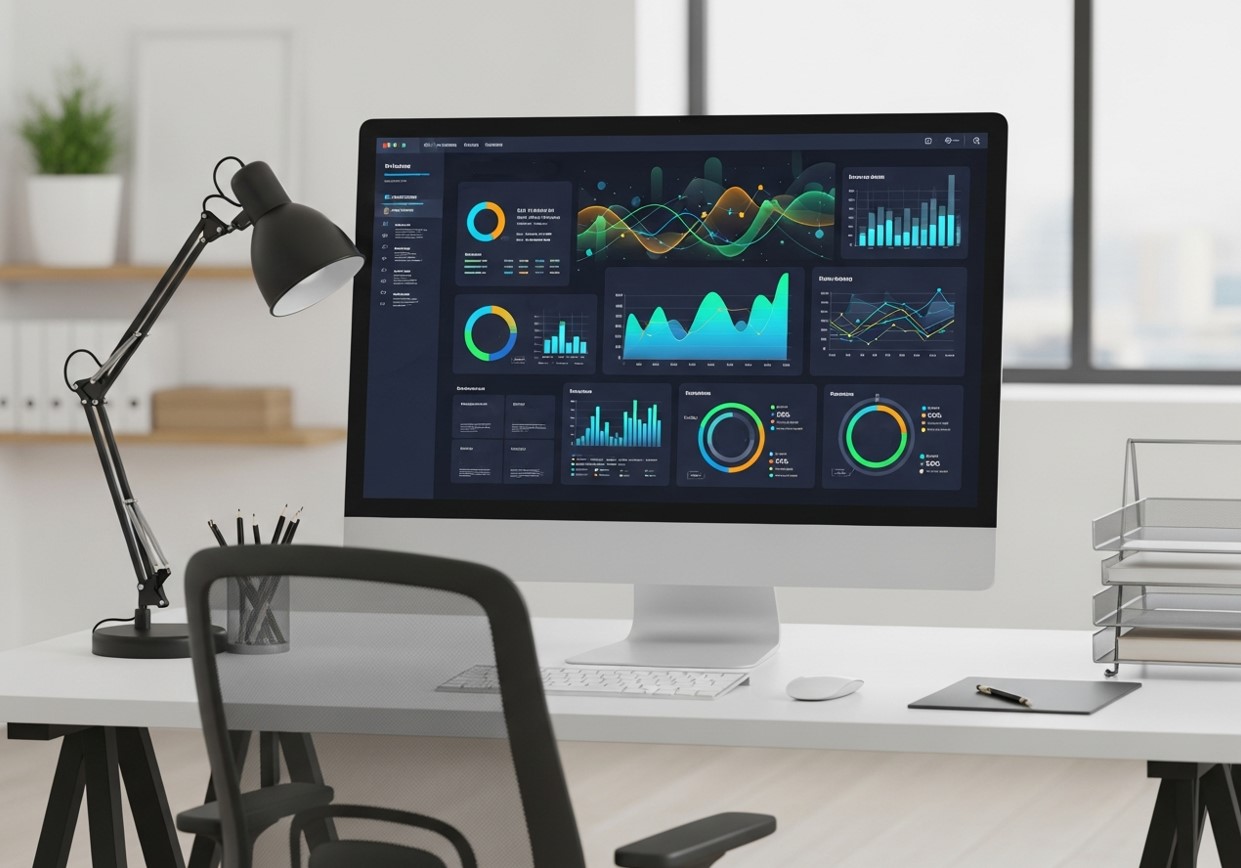
To ensure that your data driven marketing analytics efforts are truly delivering value, it is essential to establish clear, well-defined metrics and implement regular review processes. Measuring success goes beyond simply tracking raw numbers—it involves evaluating whether your marketing strategies are achieving the desired business outcomes. Begin by identifying key performance indicators (KPIs) that align directly with your objectives, such as customer acquisition rates, conversion rates, customer lifetime value, or return on ad spend.
Once these KPIs are defined, set up standardized reporting mechanisms to monitor progress consistently over time. Regular reviews—whether weekly, monthly, or quarterly—allow your team to identify trends, recognize underperforming campaigns, and make data-informed adjustments quickly. Additionally, combining quantitative metrics with qualitative insights, such as customer feedback or engagement sentiment, provides a more holistic view of your marketing effectiveness. By continuously measuring and analyzing performance, organizations can not only validate the impact of their marketing initiatives but also refine strategies, optimize resource allocation, and drive sustained improvement across all campaigns.
Key Performance Indicators
Identifying the right KPIs is critical to measuring the effectiveness of data driven marketing analytics. KPIs should be directly tied to your business objectives, ensuring that every metric you track provides actionable insights rather than just raw numbers. For example, customer acquisition cost (CAC) helps evaluate the efficiency of your marketing spend in attracting new customers, while customer lifetime value (CLV) indicates the long-term profitability of those customers. Other common KPIs include marketing qualified leads (MQLs), which measure the quality and readiness of leads for the sales team, conversion rates, which show the percentage of prospects taking desired actions, and return on ad spend (ROAS), which quantifies revenue generated per marketing dollar spent. By carefully selecting KPIs, businesses can focus on the metrics that truly reflect performance and inform strategic decision-making.
Regular Reporting
Consistent reporting is essential for tracking progress and identifying patterns in marketing performance. Create standardized reports that capture your most important KPIs and present them in a way that is easy to interpret. These reports can be automated using dashboards in tools like Tableau, Power BI, or your CRM system, providing real-time visibility into campaign results. Conducting monthly or quarterly reviews allows marketing teams to spot trends, detect underperforming campaigns, and evaluate the effectiveness of different channels. Furthermore, incorporating visualizations such as graphs and heatmaps helps stakeholders quickly understand key insights, enabling faster, data-driven decisions. Regular reporting also creates a foundation for accountability, ensuring that teams are aligned and focused on measurable outcomes.
ROI Measurement
Quantifying the financial impact of your data driven marketing efforts is critical for demonstrating value and securing continued investment. ROI measurement should go beyond just revenue attribution; it should also capture efficiency gains, such as reduced manual effort or improved campaign targeting that lowers costs. For instance, analyzing direct revenue attribution links sales or conversions directly to specific campaigns or channels, while evaluating cost savings highlights operational improvements achieved through analytics-driven optimization. By tracking ROI across multiple initiatives, organizations can identify which marketing activities generate the highest return, refine resource allocation, and justify future marketing investments. Over time, consistently measuring ROI also allows teams to benchmark performance, set realistic goals, and continuously improve marketing effectiveness.
The Future of Data Driven Marketing Analytics
As technology continues to evolve, data driven marketing analytics is becoming more sophisticated and accessible. Artificial intelligence and machine learning are automating many analytical processes, while privacy regulations are shaping how businesses collect and use customer data.
Successful organizations will be those that balance technological capabilities with respect for customer privacy, creating analytics strategies that deliver value while maintaining trust. The businesses that master data driven marketing analytics now will be best positioned to adapt to future changes and opportunities.
Companies across industries are discovering that data driven marketing analytics isn’t just a competitive advantage—it’s becoming a necessity for sustainable growth. By implementing the strategies and approaches outlined in this guide, you’ll be well-equipped to harness the power of data and transform your marketing results.
Frequently Asked Questions (FAQ)
What is the difference between data driven marketing and traditional marketing?
Traditional marketing often relies on intuition, past experiences, or generic audience assumptions. Data driven marketing uses actual customer data, analytics, and evidence to guide decision-making, resulting in more precise targeting and measurable ROI.
How much data do I need to start data driven marketing analytics?
Even small amounts of quality data can be valuable. Start with what you have, such as website traffic, email engagement, or CRM records, and gradually expand data sources as your capabilities grow.
Do I need specialized tools to implement data driven marketing analytics?
Yes, tools such as analytics platforms, CRM systems, marketing automation software, and business intelligence tools are essential. However, the level of sophistication depends on your goals; small businesses can start with simpler tools and scale over time.
Can small businesses benefit from predictive analytics?
Absolutely. Predictive analytics can be applied to any organization with historical data, helping small businesses forecast sales, anticipate churn, and personalize marketing campaigns effectively.
How do I ensure my data analytics complies with privacy laws?
Implement strong data governance policies, obtain explicit customer consent, anonymize sensitive data when possible, and stay updated on relevant local and international regulations.
What is the biggest challenge in adopting data driven marketing analytics?
Common challenges include data quality issues, organizational resistance, integration complexity, and overreliance on metrics without actionable insights. Starting small, focusing on key objectives, and fostering a data-driven culture helps overcome these obstacles.



Leave a Reply