


Data-Driven Account-Based Marketing (ABM) empowers businesses to target high-value B2B accounts with precision and personalized campaigns. By leveraging data, AI, and cross-team alignment, organizations can improve ROI, engagement, and conversions. Implementing ABM with measurement and the right tools ensures scalable, impactful, and results-driven marketing strategies.
What is Data-Driven Account-Based Marketing?
Data-driven account-based marketing seeks to offer a targeted marketing solution through segmenting the consumers and the other data, and also to personalize the messaging to sell a particular high-value account. Using data, companies can discover the right accounts, learn about their pain points, and create campaigns that are relevant and resonate.
With ABM, the emphasis changes from chumming the waters (traditional marketing) to targeting only those accounts most likely to be reeled in and become loyal long-term customers. The process becomes scientific by using data analytical insights, and is also measurable.
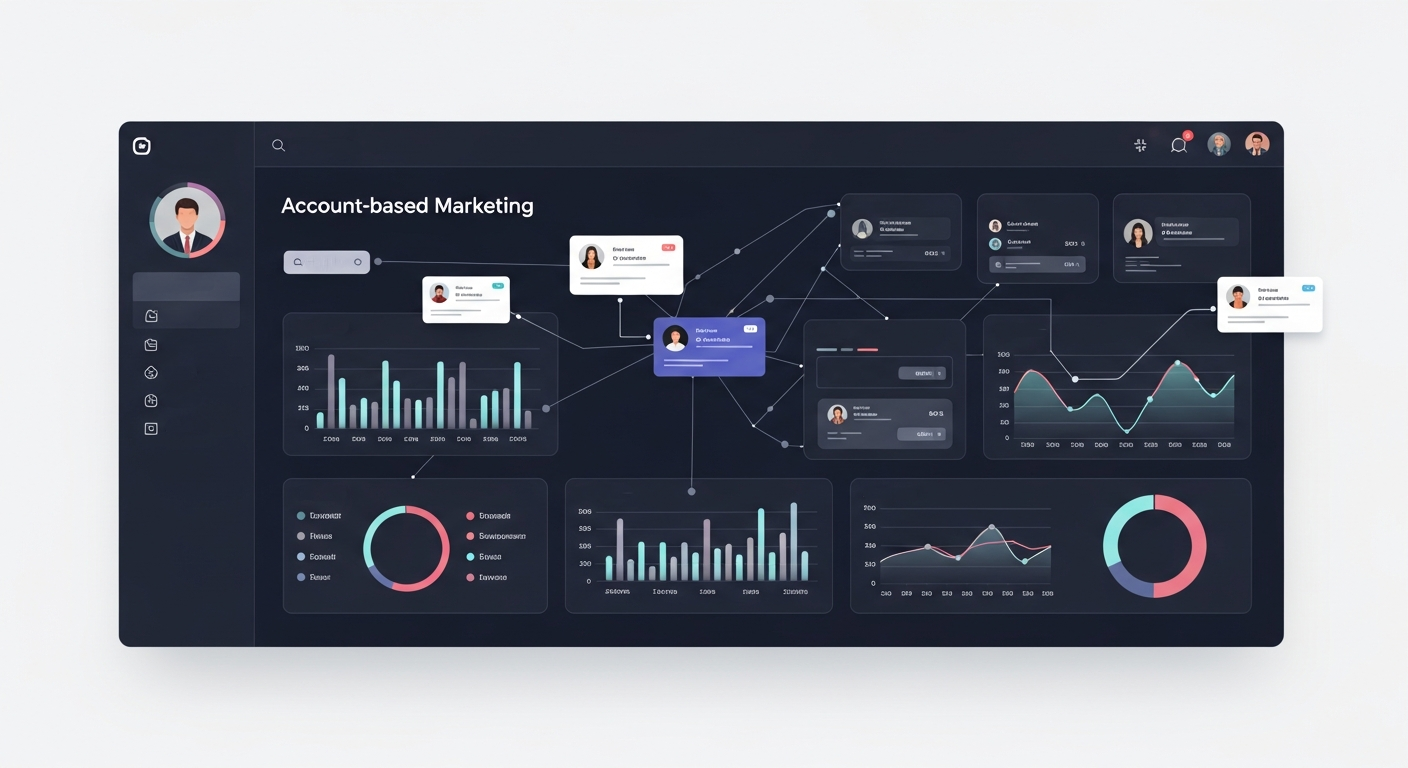
Why Businesses are Embracing Data-Driven ABM
ABM isn’t just a buzzword anymore; it’s a strategy that has been proven to obtain results. When executed well, data-driven ABM should be able to:
- Improve ROI: According to Forbes, companies that practice ABM generate 97% more ROI than those that have not adopted it. Learn more in Data-Driven Marketing ROI: How to Measure.
- Personalized Outreach: Data can be used to inform and build hyper-relevant experiences based on the account, driving higher engagement.
- Efficiency of Resources: You are able to concentrate all your efforts in limited high-value accounts, thus optimizing the use of your MOHRA or and your marketing budget.
- Improve Team Collaboration: ABM drives more collaboration between marketing, sales, and customer success teams.
With the right data, doctors can spot opportunities others miss and engage prospects with accuracy.
5 Key Benefits of Data for Account-Based Marketing
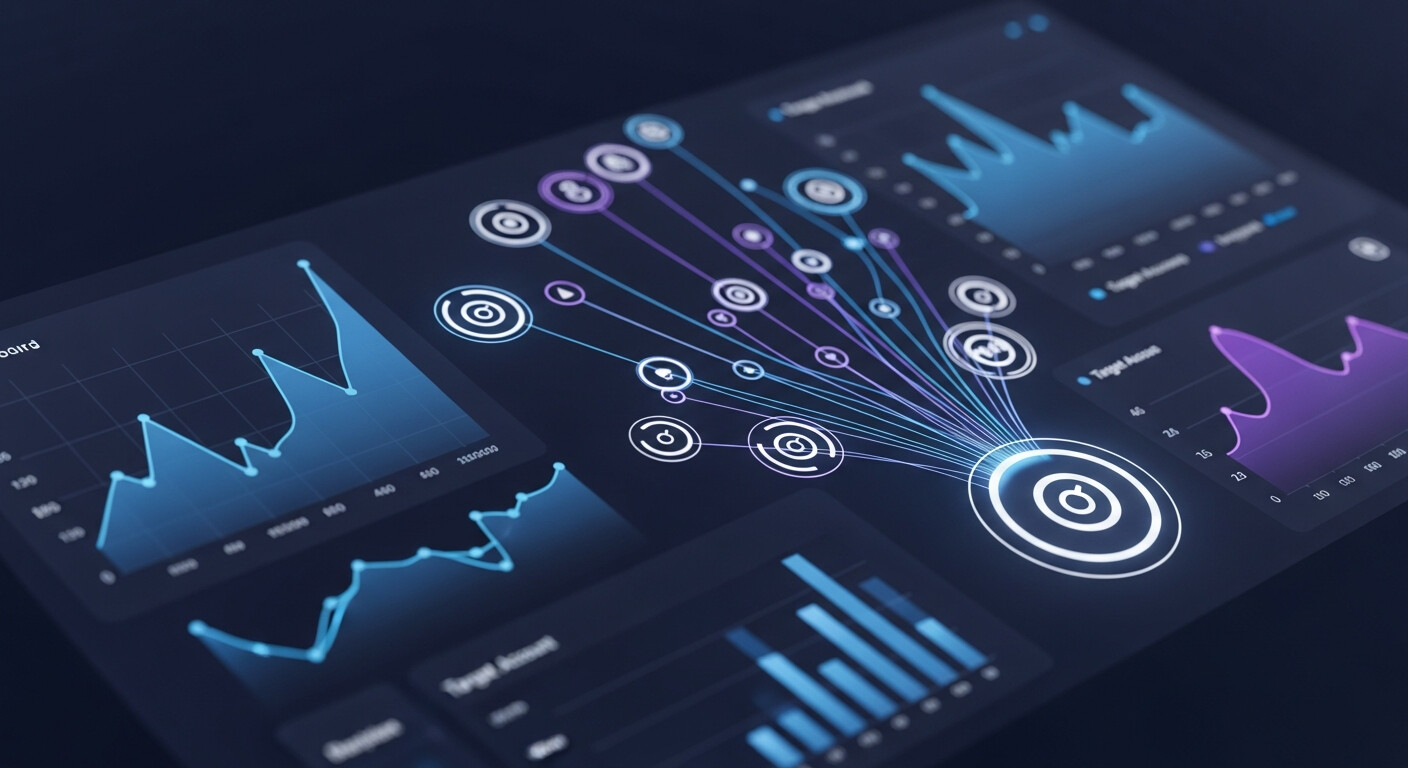
Precision Targeting
Data can show you which accounts have the most potential to be successful and grow. By combining market intelligence, customer insights, and predictive analytics, you’re able to focus on the right accounts and not lose time/opportunities on low-priority prospects.
Example
A SaaS company used data-driven ABM to target tech companies with 500–1500 employees, doubling their conversion rate in one quarter. For deeper insights on predictive analytics, see Predictive Analytics & Customer Value.
Better Personalization
The more you know about an account’s buyer persona, what they are struggling with, or how they act, the more you can align your outreach to those insights. This clearly responds to the increasing customer appetite for customized experiences.
Example
Understanding a target account struggles with process inefficiencies, and you can message more specifically about how you solve this issue (as opposed to a generic benefit).
Improved Sales-Marketing Alignment
A data-driven view of ABM encourages sales and marketing cooperation. Teams can be on the same page about objectives, messaging approaches, and timing when they have access to account-level information that’s shared across their organization.
Example
Say marketing has flagged a sales account that has been heavily engaged with a product page, while sales has identified that the account might need the product to be customized. ABM keeps all teams on the same page to present one custom message for the account.
Proactive Engagement
By analyzing data, you can see when and how accounts are engaging with your content. This allows you to predict buyer behavior, engaging them at the most responsive moment.
Example
A retail company discovered fit predictions for target accounts during the holiday season and was therefore able to time their campaigns to hit on all cylinders, driving up engagement 20%.
Enhanced Reporting and Optimization
With data, measuring the success of your ABM campaigns is significantly simpler. By examining metrics such as engagement levels, deal velocity, and account expansion rates, you’ll understand what’s working and what’s not.
Example
Monitoring engagement with a target account’s decision-makers can inform you whether your messaging is working or whether you need to put more touchpoints in place.
Putting a Data-Infused ABM Program into Practice

Identify High-Value Accounts
The first step in a successful Data-Driven Account-Based Marketing strategy is identifying your high-value accounts. These are the companies or organizations that are most likely to deliver significant revenue, long-term engagement, and strategic value for your business. Start by defining an Ideal Customer Profile (ICP), which outlines the key characteristics of your target accounts. This might include company size, industry, revenue potential, geographic location, and decision-making hierarchy.
Leverage robust CRM systems like Salesforce, HubSpot, or other enterprise tools to dig into historical data and uncover patterns that indicate which accounts have previously delivered the highest ROI. With this data-driven approach, your team can move beyond generic targeting and focus only on those accounts with the highest potential for growth. By using Data-Driven Account-Based Marketing, you’re not just guessing which accounts to pursue—you’re using actionable insights to make precise, strategic decisions that maximize marketing effectiveness.
Start by defining an Ideal Customer Profile (ICP), including company size, industry, revenue potential, and decision-making hierarchy. Use CRM systems like Salesforce or HubSpot to dig into historical data. For guidance, check Guide to Customer Data-Driven Marketing.
Develop an Account Plan
Once you have identified high-value accounts, the next step in Data-Driven Account-Based Marketing is to create a comprehensive account plan. This involves researching each account in detail to understand their specific needs, pain points, goals, and organizational priorities. Competitor analysis is also essential at this stage, as it helps identify gaps and opportunities that your company can leverage.
An effective account plan outlines how your organization will engage the account at every stage of the buyer journey. This includes identifying the preferred communication channels, types of content that resonate, and decision-makers who influence purchasing decisions. By taking a personalized, data-driven approach, your campaigns can speak directly to the account’s challenges and goals, improving engagement and increasing the likelihood of conversion. A detailed plan ensures that every interaction is intentional, consistent, and aligned with overall business objectives.
Leverage AI and Big Data
Modern Data-Driven Account-Based Marketing relies heavily on artificial intelligence and big data to scale personalization without losing precision. Tools such as Demandbase and 6sense aggregate and analyze large volumes of account-level behavioral data, including website interactions, content engagement, intent signals, and purchase readiness.
By harnessing AI, marketers can identify which accounts are actively researching solutions like yours, predict which accounts are most likely to convert, and prioritize outreach based on actionable insights. Big data analytics also enable the creation of hyper-personalized campaigns at scale, ensuring that every interaction—from emails to social ads—is tailored to the account’s unique needs. This level of insight transforms ABM from a broad targeting strategy into a precise, measurable, and highly efficient approach to acquiring and retaining high-value clients.
Align Marketing and Sales Teams
For Data-Driven Account-Based Marketing to succeed, alignment between marketing and sales is critical. Both teams need to share a unified understanding of target accounts, value propositions, customer journey stages, and KPIs. A central document or platform should include account strategies, messaging frameworks, and performance metrics to ensure that every team member is operating from the same playbook.
When marketing and sales are fully aligned, outreach becomes seamless and consistent, creating a cohesive experience for the account. Marketing insights can inform sales conversations, while sales interactions can provide feedback to refine marketing efforts. This alignment not only boosts conversion rates but also strengthens long-term account relationships, ultimately driving revenue and maximizing the ROI of your Data-Driven Account-Based Marketing initiatives.
Implement Personalization
Take everything you’ve learned and create personalized campaigns. Personalization can occur across touchpoints such as:
- Dynamic content email campaigns
- LinkedIn ads targeting roles at the account
- personalized and dedicated landing pages for every prospect
Measure and Iterate
In Data-Driven Account-Based Marketing, measurement and continuous iteration are essential to ensure campaigns deliver real results. Simply launching an ABM campaign isn’t enough—success depends on carefully tracking performance and using insights to refine your strategy over time. Key metrics to monitor include cost-per-acquisition (CPA), conversion rates, account engagement, deal velocity, and average deal size.
By analyzing these metrics, you can identify which accounts are responding to your campaigns, which messaging resonates, and which touchpoints drive the most meaningful engagement. For example, if certain accounts are highly engaged but not converting, you might need to adjust your offer, timing, or personalization approach. Conversely, accounts showing rapid engagement and early conversions can provide insights into what strategies are most effective, serving as a model for future campaigns.
The iterative process in Data-Driven Account-Based Marketing ensures that your campaigns continuously evolve based on actionable insights. By consistently testing, measuring, and refining, organizations can optimize resource allocation, improve ROI, and increase the overall impact of their ABM efforts. Over time, this cycle of measurement and iteration transforms ABM from a static marketing approach into a dynamic, growth-focused strategy that scales with your business.
Selecting the Best Data-Driven ABM Tools
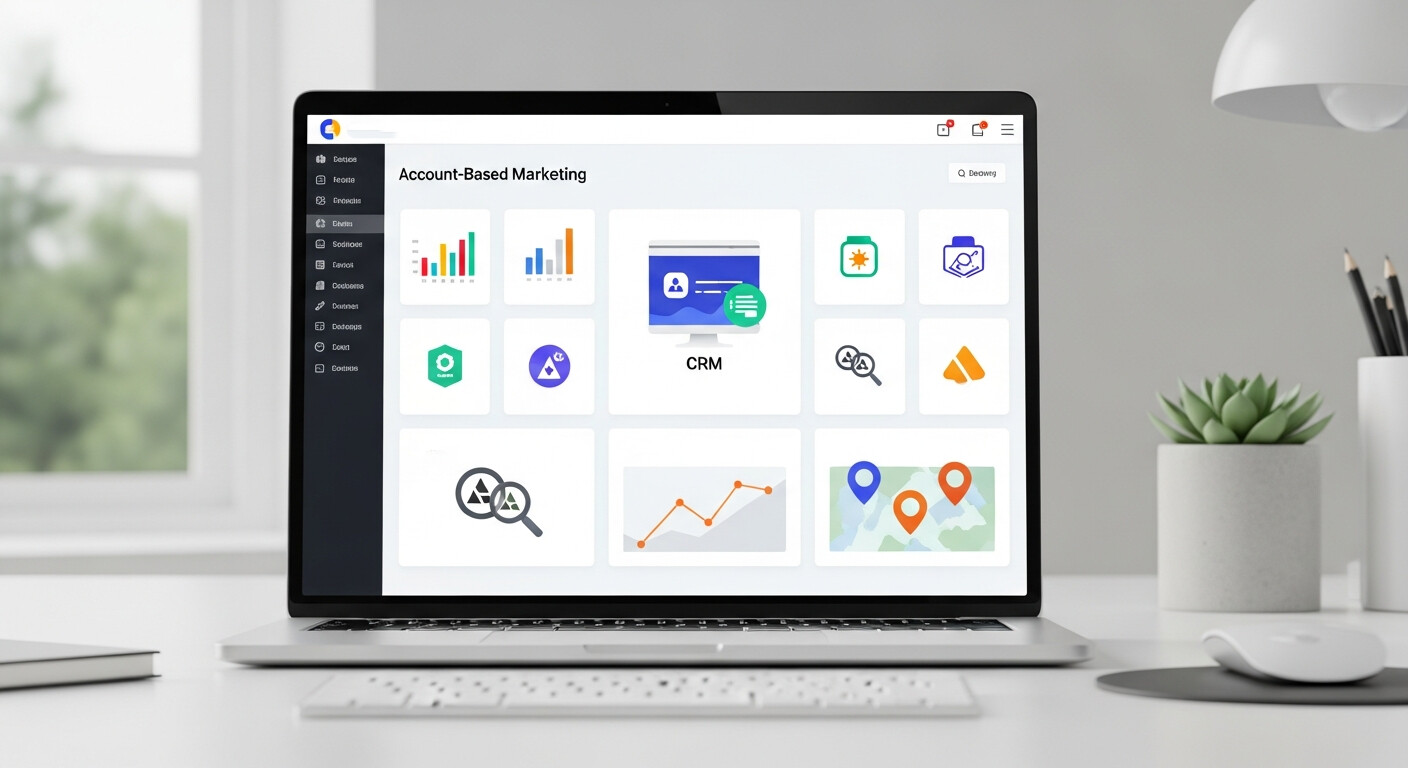
Having the right tools in place is key to implementing ABM. A couple to get you started:
- CRM Tools (Such as Salesforce, HubSpot): To monitor account activity and track workflows.
- Account Targeting Tools (e.g., LinkedIn Sales Navigator): Target and reach the decision makers.
- Analytics Platforms (Such as Google Analytics, Tableau): To measure results and develop new business strategies.
Bring Your Marketing to the Next Level with Account-Based Marketing
The Next Frontier of B2B Marketing is Data. The future of B2B marketing is all about precision, personalization, and data. Action-based account-based marketing isn’t just a strategy; it’s a competitive requirement.
If you’re ready to take your ABM strategy to the next level, invest in the tools that are necessary for success, execute cross-team alignment, and begin harnessing the power of data to target, engage, and convert high-value accounts.
Understanding the fundamentals of data-driven Account-Based Marketing (ABM) provides a strong foundation for strategic outreach, while exploring how ABM supercharges brand promotion reveals its power in creating highly targeted, high-impact marketing campaigns.
Frequently Asked Questions (FAQ)
What is the difference between traditional ABM and Data-Driven ABM?
Traditional ABM focuses on targeting high-value accounts but often relies on intuition or broad criteria. Data-Driven ABM uses analytics, customer insights, and predictive modeling to make campaigns more precise, personalized, and measurable.
Can small businesses benefit from Data-Driven ABM?
Absolutely. Even smaller companies can leverage account-level data to focus on high-potential clients, maximizing ROI while conserving resources. Tools like HubSpot or LinkedIn Sales Navigator are accessible for businesses of any size.
How do you collect the right data for ABM?
Data can be collected from CRM platforms, website analytics, social media, intent data providers, and direct interactions with accounts. The key is to focus on actionable insights that inform strategy and personalization.
How long does it take to see results with Data-Driven ABM?
Results vary based on industry, account size, and campaign complexity. Typically, measurable engagement improvements can be seen within 3–6 months, while full revenue impact may take longer depending on the sales cycle.
What tools are essential for implementing Data-Driven ABM?
Key tools include CRMs (Salesforce, HubSpot), account intelligence platforms (6sense, Demandbase), analytics solutions (Tableau, Google Analytics), and engagement platforms for email or social targeting.
How does Data-Driven ABM improve marketing and sales alignment?
By providing shared account-level insights, Data-Driven Account-Based Marketing ensures that marketing and sales teams work toward the same goals. Both teams understand which accounts to prioritize, what messaging resonates, and the timing of outreach, reducing miscommunication and boosting conversions.
Can ABM work for long sales cycles?
Yes. In fact, ABM is particularly effective for long B2B sales cycles because it focuses on high-value accounts. Data-driven insights help you nurture these accounts over time with personalized campaigns, keeping your brand top-of-mind until a purchase decision is made.
How do you measure the ROI of Data-Driven ABM campaigns?
ROI is measured by tracking metrics such as engagement rates, pipeline velocity, conversion rates, deal size, and account expansion. Data-driven ABM also allows you to attribute revenue directly to specific accounts, making it easier to see the financial impact of your campaigns.
Is personalization scalable in ABM?
Yes. With AI and automation tools, personalization in Data-Driven Account-Based Marketing can be applied at scale. Dynamic content, personalized landing pages, and targeted ads allow marketers to create relevant experiences for multiple accounts simultaneously without sacrificing quality.
What industries benefit the most from Data-Driven ABM?
While ABM can work for any B2B company, industries with complex sales processes, high-value accounts, or longer sales cycles—such as SaaS, finance, healthcare, and manufacturing—tend to see the greatest benefits. Data-driven approaches ensure campaigns are precise, measurable, and aligned with the needs of these industries.



Leave a Reply