


Data-driven influencer marketing goes beyond follower counts, focusing on analytics, audience insights, and measurable ROI. By tracking engagement, conversions, and sentiment, brands can optimize campaigns, build long-term influencer partnerships, and ensure strategic growth. Combining pre-campaign research, platform analytics, and emerging technologies like AI helps brands make smarter decisions and maximize impact.
Understanding Data-Driven Influencer Marketing
Data-driven influencer marketing uses analytics, metrics, and insights to guide every decision in your campaign strategy. Rather than relying on gut feelings or surface-level metrics like follower counts, this approach examines engagement patterns, audience demographics, conversion rates, and brand alignment to create campaigns that resonate with your target market.
This methodology transforms influencer marketing from a creative gamble into a strategic investment. When you base decisions on concrete data, you can predict outcomes more accurately, optimize campaigns in real-time, and demonstrate clear value to stakeholders.
The foundation of any successful data-driven approach starts with understanding your current position. Before reaching out to any influencers, you need comprehensive insights about your brand’s performance, audience preferences, and competitive landscape.
Essential Metrics for Influencer Campaign Success
Engagement Quality Over Quantity
Engagement rate remains one of the most crucial metrics, but not all engagement is created equal. High-quality engagement includes meaningful comments, shares, and saves—indicators that content resonates deeply with audiences. Comments like “love this!” or emoji-only responses suggest lower engagement quality compared to detailed questions or personal stories shared by followers.
Calculate engagement rate by dividing total engagements by follower count, then multiply by 100 for a percentage. However, dig deeper by analyzing the sentiment and substance of these interactions. Tools like Hootsuite, Sprout Social, or native platform analytics can help you evaluate engagement quality beyond basic numbers.
Audience Demographics and Alignment
Your chosen influencer’s audience should mirror your target customer base. Examine age ranges, geographic locations, interests, and purchasing behaviors. An influencer with 100,000 followers in your target demographic will typically outperform one with 500,000 followers who don’t match your ideal customer profile.
Most platforms provide demographic insights, but third-party tools like HypeAuditor or AspireIQ offer more detailed audience analysis. Look for overlap percentages between the influencer’s audience and your target market—aim for at least 70% alignment for optimal results.
Conversion Tracking and Attribution
Tracking conversions is a critical step in measuring the true impact of influencer marketing campaigns. Use unique discount codes, affiliate links, or UTM parameters to directly attribute sales and leads to individual influencers. This ensures you can distinguish between campaigns that generate genuine business results and those that simply create awareness without driving action.
However, it’s important to consider that influencer-driven conversions often follow non-linear paths. A user might first encounter your brand through an influencer post, but complete their purchase days or weeks later via a different channel, such as a search engine, email, or your website directly. Capturing this multi-touch customer journey requires a comprehensive attribution model that goes beyond last-click tracking.
Tools like Google Analytics, HubSpot, or specialized influencer marketing platforms can help you set up these models, providing insights into which influencers, content types, and touchpoints contribute most effectively to conversions. By analyzing both direct and assisted conversions, you can identify which partnerships are truly driving ROI and make more informed decisions for future campaigns. Tracking these interactions over time also allows for optimization—such as adjusting posting schedules, content formats, or influencer selection—to maximize both immediate sales and long-term brand engagement.
Building Your Data Collection Framework
Pre-Campaign Research
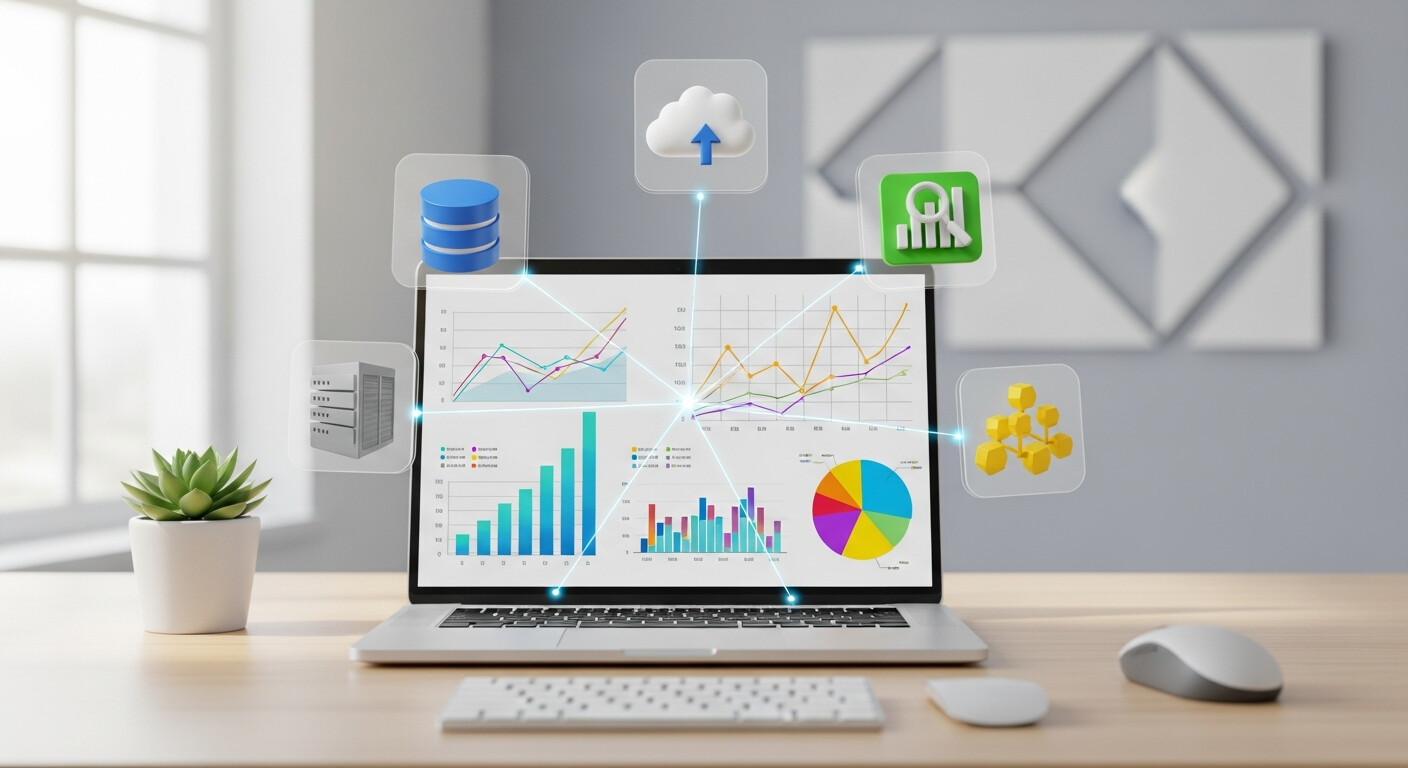
Before reaching out to influencers, start with competitor analysis. Identify which influencers your competitors work with, what content performs best, and where gaps in the market exist. Tools like BuzzSumo or Socialbakers can reveal influencer partnerships and engagement metrics, helping you spot opportunities to stand out.
Next, create buyer personas using surveys, interviews, and analytics. Understand where your audience spends time online, the content they engage with, and the influencers they follow. Combining this with competitor insights ensures your campaigns are relevant and strategically positioned. See our guide on How Companies Use Data-Driven Marketing to Drive Success for more strategies.
Platform-Specific Analytics
Each social media platform offers unique analytics capabilities. Instagram Insights provides detailed demographic data and engagement metrics, while TikTok Analytics shows video performance and audience activity patterns. YouTube Analytics offers deep dive into watch time, retention rates, and subscriber growth.
Don’t rely solely on platform analytics. Third-party tools often provide more comprehensive insights and cross-platform comparison capabilities. Consider investing in tools like Klear, Upfluence, or Creator.co for more robust data analysis. This aligns well with strategies outlined in Data-Driven Marketing Guide to Smarter Campaigns.
Influencer Vetting Process
Develop a systematic approach to evaluating potential influencers. Create a scoring system that weighs factors like engagement rate, audience alignment, content quality, brand safety, and past campaign performance. This standardized approach ensures consistent decision-making across your team.
Check for fake followers and engagement using tools like HypeAuditor or FollowerAudit. Look for red flags like sudden follower spikes, repetitive comments, or engagement rates that seem unusually high or low for the follower count.
Advanced Analytics Tools and Techniques
Sentiment Analysis
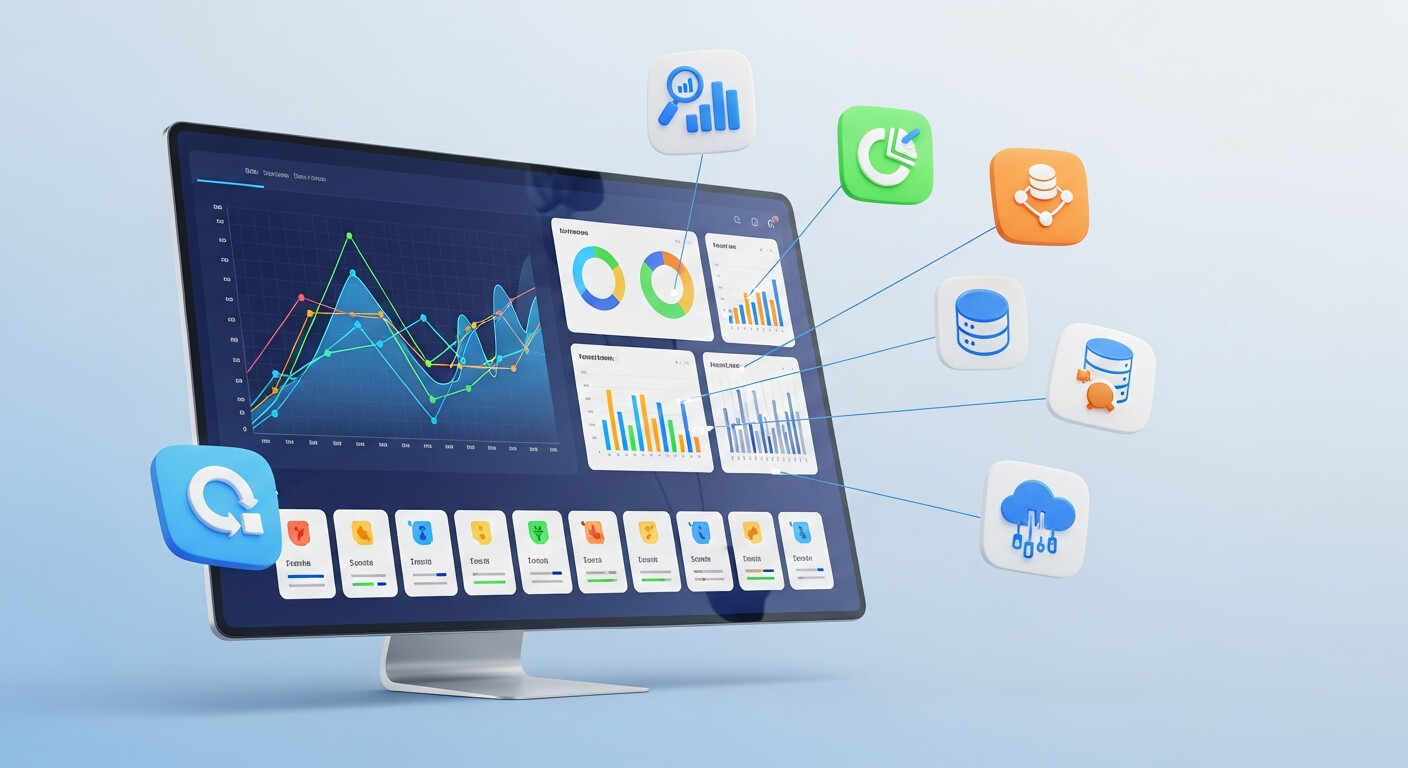
Monitor not just the quantity of mentions but the quality and sentiment surrounding your brand after influencer campaigns. Tools like Brandwatch, Mention, or Hootsuite Insights can track sentiment changes and identify potential issues before they escalate.
Positive sentiment indicates successful brand association, while negative sentiment might signal misalignment between your brand and the influencer’s audience. Use this data to refine future influencer selection and campaign messaging. For insights on predictive tools, see Predictive Analytics & Customer Value.
Predictive Analytics
Use historical campaign data to predict future performance. Identify patterns in successful campaigns—common audience characteristics, content types, posting times, and campaign structures. Machine learning tools can help identify these patterns and suggest optimization opportunities.
Create predictive models that estimate campaign ROI based on influencer characteristics and campaign parameters. This approach helps you allocate budget more effectively and set realistic expectations for campaign outcomes.
Real-Time Optimization
Monitor campaigns continuously and make adjustments based on performance data. If certain types of content or posting times show better engagement, communicate these insights to your influencers for real-time optimization.
Set up automated alerts for significant performance changes. If engagement drops suddenly or negative sentiment spikes, you can respond quickly to minimize potential damage.
Measuring ROI and Campaign Attribution

Financial Metrics
Track revenue generated directly from influencer campaigns using unique tracking codes, affiliate links, or dedicated landing pages. Calculate customer acquisition cost (CAC) by dividing total campaign spend by new customers acquired.
Consider lifetime value (LTV) when evaluating campaign success. An influencer campaign might have a higher upfront CAC but attract customers with higher long-term value. Calculate LTV to CAC ratio to understand true campaign profitability.
Brand Awareness and Reach
Measure reach and impressions, but focus on quality metrics like brand mention increases, website traffic from social media, and branded search volume improvements. Tools like Google Trends can show how influencer campaigns affect brand search interest.
Track share of voice compared to competitors. Successful influencer campaigns should increase your brand’s presence in relevant conversations and communities.
Long-term Impact Assessment
Evaluate campaigns based on long-term brand building, not just immediate conversions. Track metrics like brand recall, consideration, and purchase intent through surveys or brand tracking studies.
Monitor audience growth and engagement on your own channels following influencer campaigns. Successful partnerships often result in sustained follower growth and increased engagement on your brand’s social media accounts.
Common Pitfalls and How to Avoid Them
Vanity Metrics Trap
Avoid focusing solely on follower counts and likes. These metrics don’t necessarily translate to business results. Instead, prioritize metrics that align with your specific business objectives, whether that’s sales, leads, or brand awareness.
Create a balanced scorecard that includes both vanity metrics (for stakeholder reporting) and performance metrics (for campaign optimization). This approach satisfies different stakeholder needs while maintaining focus on results.
Insufficient Data Integration
Many brands collect data but fail to integrate insights across different tools and platforms. Create a centralized dashboard that combines data from various sources—social media analytics, website traffic, sales data, and customer feedback.
Establish regular reporting cycles that combine quantitative metrics with qualitative insights. This comprehensive approach provides a complete picture of campaign performance and areas for improvement.
Short-term Thinking
Influencer marketing often requires time to build momentum and demonstrate results. Avoid making hasty decisions based on limited data. Instead, establish benchmark periods and evaluate campaigns over meaningful timeframes.
Build relationships with high-performing influencers for long-term partnerships. Data shows that ongoing collaborations often outperform one-off campaigns as audiences become more familiar with your brand.
Future-Proofing Your Data Strategy

Emerging Technologies
Influencer marketing is evolving rapidly, and staying ahead means leveraging new technologies for smarter campaigns. AI and machine learning are now accessible to smaller brands, helping analyze large data sets, identify audience patterns, predict campaign performance, and even suggest optimal content types and posting times.
Keep an eye on emerging platforms and content formats. New social media channels and trends—like short-form videos, live shopping, and interactive content—offer early-mover advantages and valuable insights into audience preferences. By combining advanced analytics with platform innovation, brands can optimize campaigns and maintain a competitive edge in the influencer space.

Privacy and Compliance
Understand data privacy regulations and how they affect your analytics capabilities. Prepare for continued changes in data availability, particularly as platforms implement stricter privacy measures.
Develop first-party data collection strategies that don’t rely entirely on third-party analytics. Email captures, surveys, and direct customer feedback provide valuable insights that remain accessible regardless of platform changes.
Taking Action: Your Next Steps
Start by auditing your current influencer marketing approach. Identify which metrics you’re currently tracking and which ones you’re missing. Create a data collection plan that addresses gaps and aligns with your business objectives.
Invest in the right tools for your budget and needs. Start with free platform analytics and gradually add paid tools as your program scales. Remember that the most expensive tool isn’t always the best—choose solutions that provide actionable insights you can actually use.
Data-driven influencer marketing isn’t just about collecting numbers—it’s about using insights to make smarter decisions, build stronger relationships, and create campaigns that deliver real business value. By implementing these strategies and maintaining a commitment to continuous improvement, you’ll transform your influencer marketing from a creative experiment into a strategic growth driver.
The brands that master data-driven influencer marketing will have a significant competitive advantage as the space becomes increasingly sophisticated. Start building your data foundation today, and you’ll be positioned to capitalize on the incredible opportunities that strategic influencer partnerships can provide.
Data-driven influencer marketing helps brands make smarter decisions by targeting the right audiences with measurable impact. At the same time, digital PR services—like those offered in Leeds—focus on building brand reputation and online visibility. Combining these approaches can elevate your overall marketing strategy with both reach and credibility.
Frequently Asked Questions (FAQs)
How do I choose the right influencers for my brand?
Selecting the right influencer goes beyond follower count. Look for audience alignment, engagement quality, content style, and past campaign performance. Tools like HypeAuditor or AspireIQ can provide detailed insights into influencer demographics and authenticity. Prioritize influencers whose audiences match your target customer profile.
Can micro-influencers really deliver ROI?
Yes. Micro-influencers may have smaller audiences, but their engagement rates are often higher. They build closer relationships with followers, which can translate to more meaningful interactions and conversions. Combining micro-influencers with macro-influencers is an effective strategy for balanced reach and engagement.
How do I track ROI in influencer marketing?
Use unique discount codes, affiliate links, UTM parameters, or dedicated landing pages to track conversions. Combine these with metrics like engagement rate, sentiment, and brand awareness for a holistic view. Don’t forget to factor in long-term value, such as repeat purchases or increased brand loyalty.
What’s the best way to prevent influencer fraud?
Use auditing tools like HypeAuditor or FollowerAudit to check for fake followers or engagement. Analyze comment quality, follower growth patterns, and engagement consistency. Always conduct a vetting process that balances quantitative metrics with qualitative assessment of the influencer’s content.
How do I integrate influencer marketing with other campaigns?
Influencer content can be repurposed across paid ads, social media channels, email campaigns, or PR initiatives. Tracking multi-channel attribution ensures that the impact of influencer partnerships is fully captured and aligned with broader marketing goals.
How often should I analyze influencer campaign performance?
Real-time monitoring is ideal for active campaigns, allowing you to optimize content and posting strategies. Conduct a comprehensive performance review after each campaign to identify lessons, optimize future efforts, and maintain long-term partnerships.



Leave a Reply