


AI data-driven marketing is transforming how businesses understand and engage customers by analyzing data to predict behavior and personalize experiences. It boosts campaign performance, drives smarter decisions, and enables real-time optimization. Companies that adopt AI data-driven marketing gain a competitive edge and long-term growth.
Understanding AI and Data-Driven Marketing
What Is AI Data Driven Marketing?
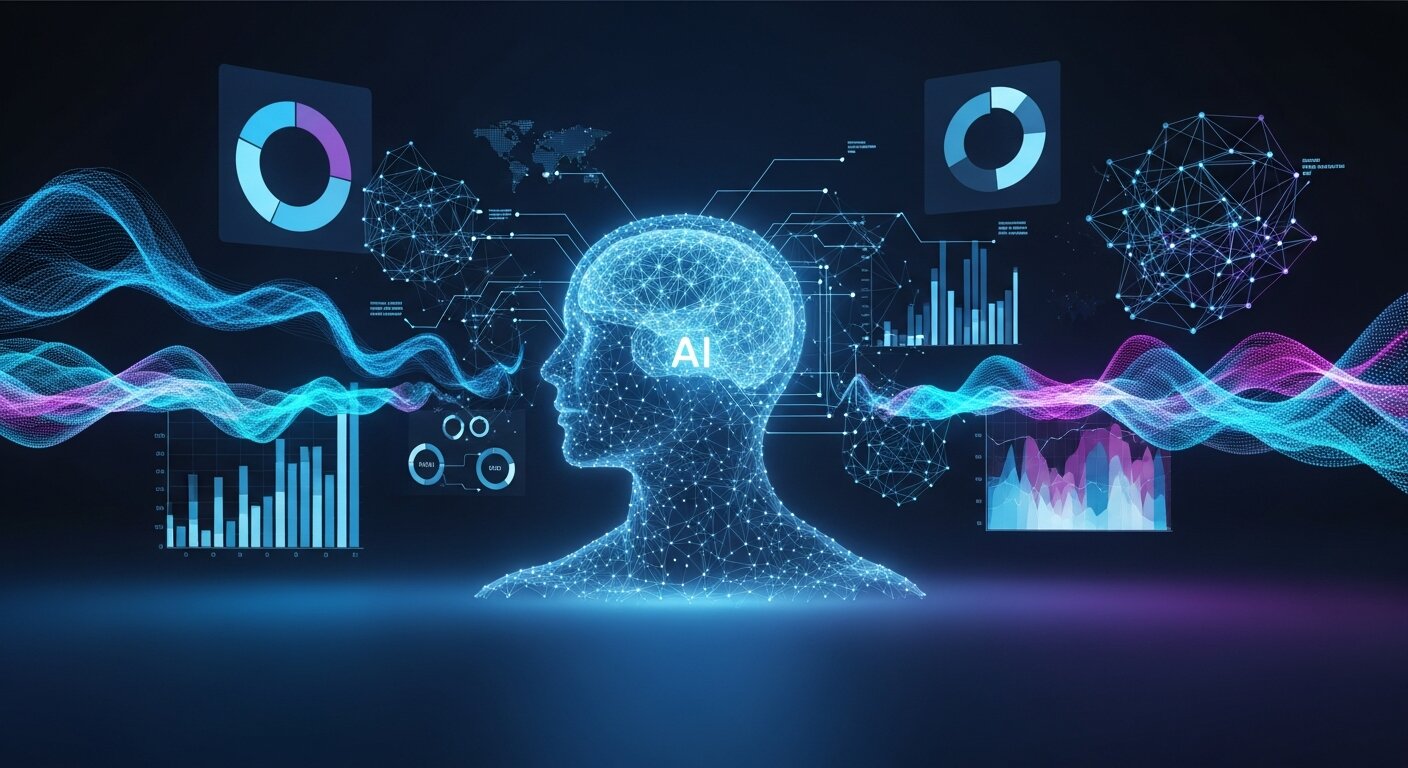
AI data driven marketing combines artificial intelligence technologies with comprehensive data analysis to create more effective, personalized marketing strategies. This approach uses machine learning algorithms to process vast amounts of customer data, identify patterns, and make predictions about future behavior.
Unlike traditional marketing methods that rely on intuition and limited data points, AI-powered systems can analyze millions of customer interactions across multiple touchpoints simultaneously. This capability enables marketers to understand their audience at a granular level and deliver highly targeted experiences.
The Technology Behind the Magic
Several key AI technologies power modern data-driven marketing:
Machine Learning algorithms continuously improve their performance by learning from new data. They can identify subtle patterns in customer behavior that human analysts might miss.
Natural Language Processing (NLP) helps brands understand customer sentiment from social media posts, reviews, and support interactions. This technology reveals what customers truly think about products and services.
Predictive Analytics uses historical data to forecast future customer actions, such as likelihood to purchase, churn risk, or lifetime value.
Computer Vision analyzes visual content to understand how customers interact with images and videos, optimizing visual marketing strategies.
Benefits of AI in Data-Driven Marketing
Enhanced Customer Personalization
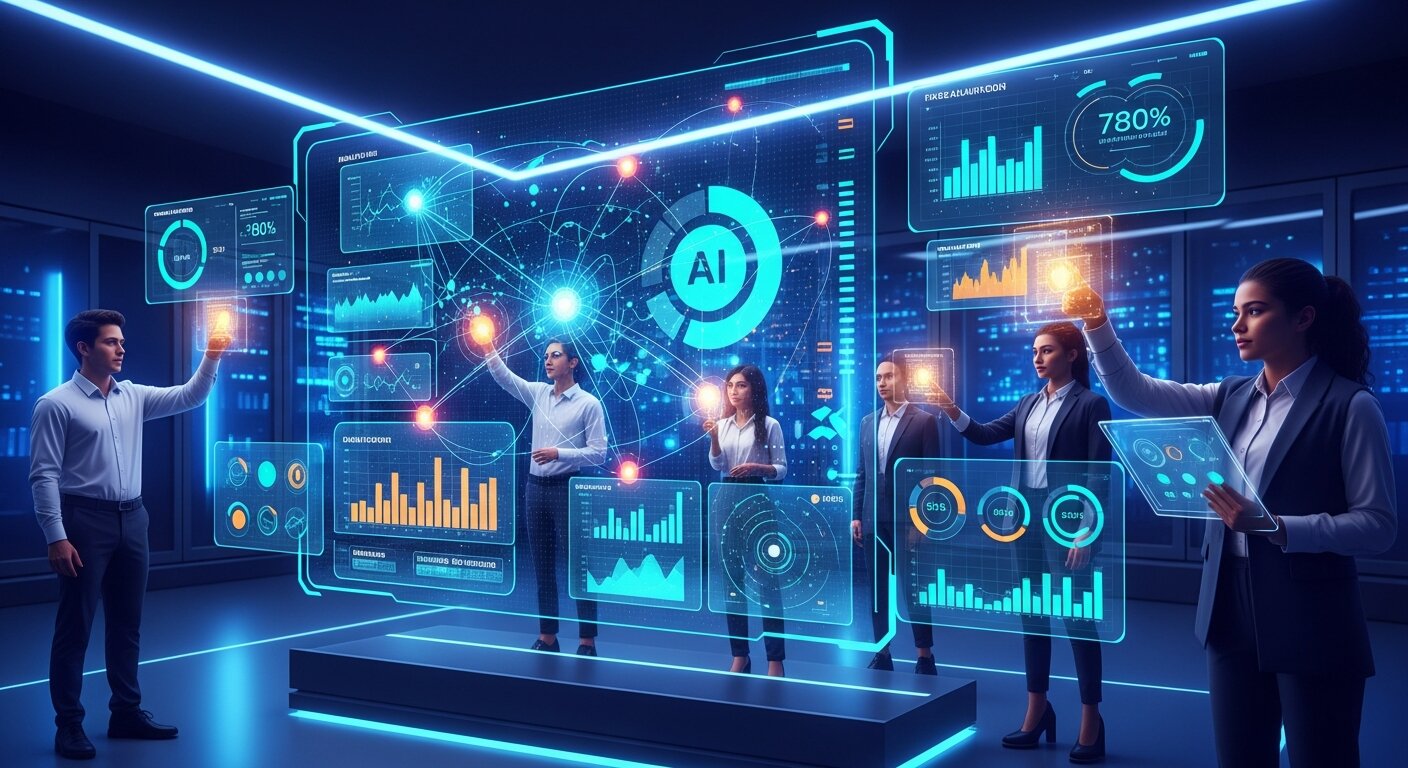
AI enables marketers to create truly personalized experiences for each customer. By analyzing browsing history, purchase patterns, and engagement data, AI systems can recommend products, customize content, and tailor messaging to individual preferences. For more on leveraging data for campaigns, see data-driven online marketing guide to campaigns.
This level of personalization goes beyond simply inserting a customer’s name into an email. AI can determine the optimal time to send messages, the most effective communication channels, and the specific content that will resonate with each recipient.
Improved Campaign Performance
Traditional A/B testing might compare two versions of an email or advertisement. AI data driven marketing takes this concept to the next level by continuously testing hundreds of variables simultaneously. This approach leads to significantly higher conversion rates and better return on investment.
AI algorithms can automatically adjust campaigns based on real-time performance data. If a particular audience segment isn’t responding well to a campaign, the system can modify the approach or reallocate budget to better-performing segments.
Real-Time Decision Making
Speed matters in marketing. AI systems can process new information and adjust strategies in milliseconds, not hours or days. This capability is particularly valuable for dynamic pricing, inventory management, and competitive response.
When a competitor launches a new campaign or changes their pricing, AI can detect these shifts and recommend immediate adjustments to maintain market position.
Cost Efficiency and Resource Optimization
By automating routine tasks and optimizing campaign performance, AI helps marketing teams work more efficiently. Resources can be allocated to high-impact activities while AI handles data analysis, audience segmentation, and campaign optimization.
This efficiency extends to media buying, where AI can automatically bid on advertising inventory that’s most likely to reach target audiences at optimal prices.
Real-World Examples of AI Success
E-commerce Personalization
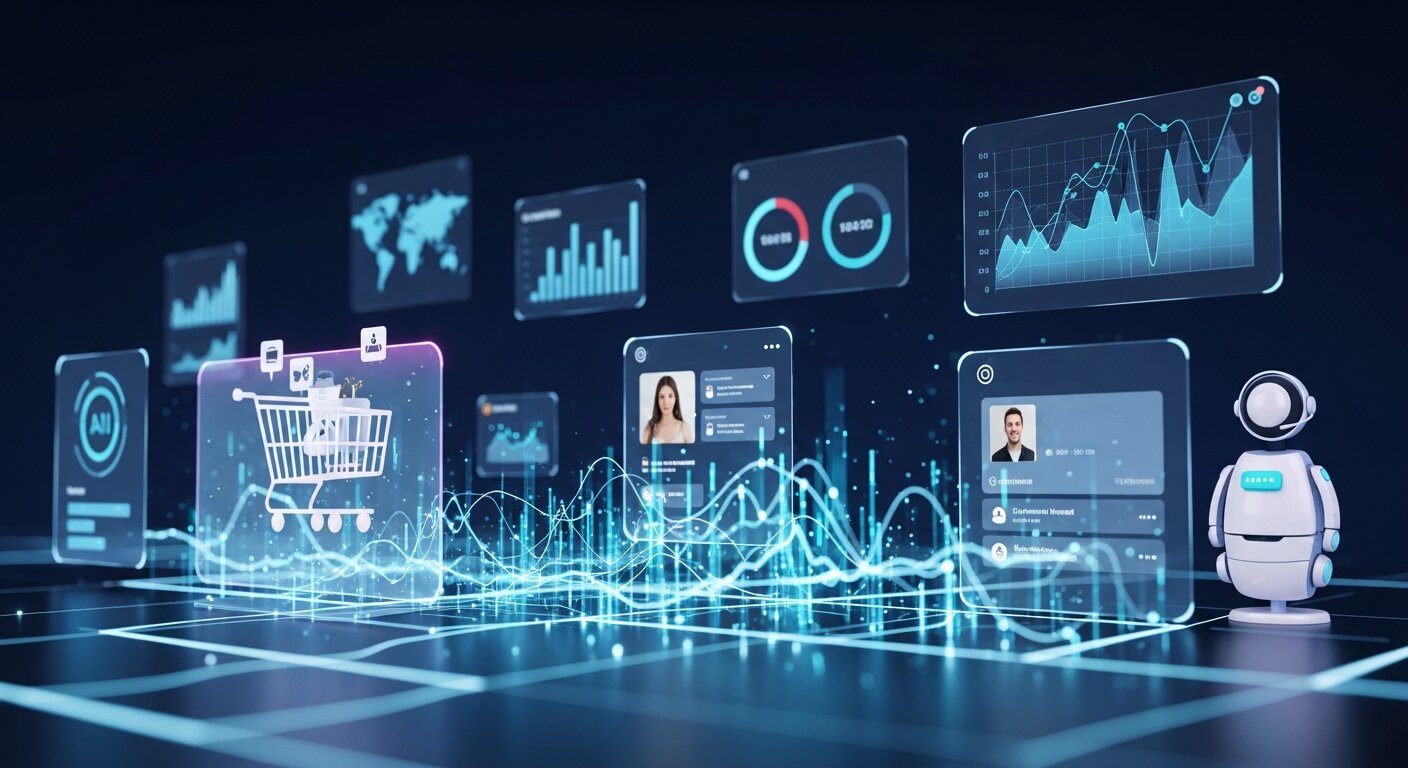
Online retailers have achieved remarkable results with AI data driven marketing. By analyzing customer behavior, purchase history, and browsing patterns, these systems can predict what products a customer is likely to buy and when they’re most likely to make a purchase.
Product recommendation engines powered by AI can increase average order values by up to 30% by suggesting complementary items or alternatives that better match customer preferences.
AI data driven marketing predicts what products a customer is likely to buy and when. Recommendation engines can increase average order values by up to 30%. Explore how AI is transforming data-driven marketing for additional examples.
Dynamic Content Optimization
Media companies use AI to personalize content recommendations for their audiences. By analyzing reading habits, engagement patterns, and demographic data, these systems can surface the most relevant articles, videos, or podcasts for each user.
This approach significantly increases engagement rates and keeps users on platforms longer, which translates to higher advertising revenue and subscription retention.
Predictive Customer Service
Forward-thinking companies use AI to identify customers who are likely to experience problems or become dissatisfied before issues occur. By analyzing usage patterns, support ticket history, and behavioral changes, AI can trigger proactive outreach to address concerns before they escalate.
This predictive approach not only improves customer satisfaction but also reduces support costs and prevents churn.
AI monitors trends and sentiment, enabling brands to respond quickly and identify influencers. More strategies can be found in data-driven marketing transforms acquisition.
Social Media Intelligence
Brands leverage AI to monitor social media conversations and identify emerging trends, sentiment shifts, and potential reputation issues. This intelligence enables rapid response to customer concerns and helps brands stay ahead of market changes.
AI can also identify influential users and brand advocates, enabling more effective influencer marketing strategies.
Challenges and Considerations
Data Quality and Integration
The effectiveness of AI data driven marketing depends heavily on data quality. Inconsistent, incomplete, or inaccurate data can lead to poor AI performance and misguided marketing decisions.
Organizations must invest in data cleansing, standardization, and integration processes to ensure their AI systems have access to reliable information. This often requires breaking down silos between different departments and systems.
Privacy and Compliance
As data collection and usage become more sophisticated, privacy concerns and regulatory requirements become more complex. Marketers must balance personalization capabilities with respect for customer privacy and compliance with regulations like GDPR and CCPA.
Transparency about data usage and providing customers with control over their information is essential for building trust and maintaining compliance.
Skills and Expertise Gap
Implementing AI data driven marketing requires new skills and expertise that many marketing teams currently lack. Organizations need to invest in training existing staff or hiring specialists who understand both marketing strategy and AI technology.
This challenge is compounded by the rapid pace of technological change, which requires continuous learning and adaptation.
Integration Complexity
Many organizations struggle with integrating AI solutions into their existing marketing technology stack. Legacy systems, data silos, and conflicting platforms can create significant implementation challenges.
Successful AI implementation often requires a comprehensive review and potential overhaul of existing marketing technology infrastructure.
The Future of AI in Marketing
Advanced Predictive Capabilities
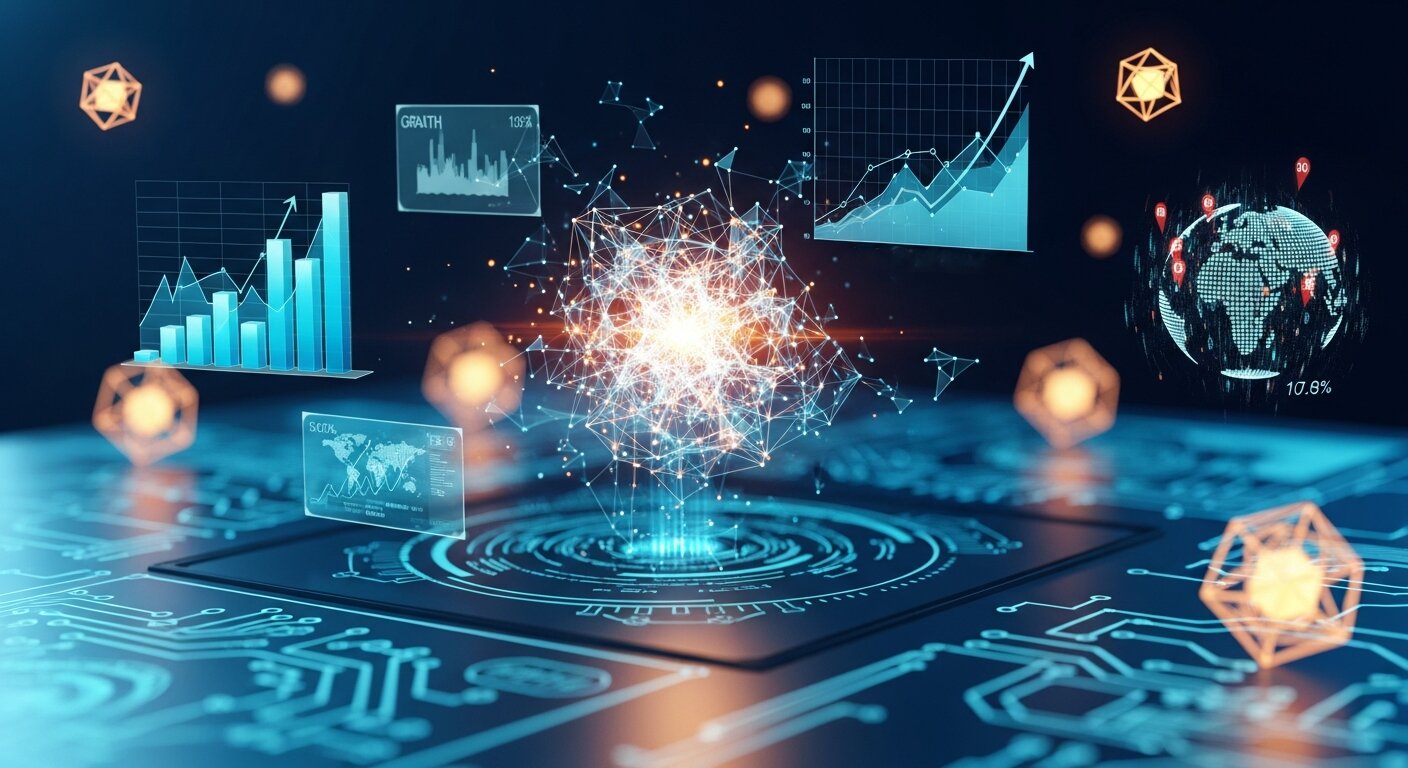
Future AI systems will go far beyond current predictive analytics, offering marketers the ability to anticipate customer behavior, preferences, and even potential pain points before the customer is consciously aware of them. By analyzing historical purchasing patterns, engagement trends, and real-time interactions, AI can create highly accurate forecasts for product demand, campaign performance, and customer lifetime value.
These predictive models are expected to incorporate a wide range of external data, including seasonal trends, weather conditions, economic indicators, and social media sentiment. For example, an AI system could predict a spike in demand for umbrellas in a specific city based on weather forecasts and social chatter about upcoming storms, allowing a retailer to optimize inventory and marketing campaigns in advance. Similarly, AI can forecast shifts in consumer behavior during economic fluctuations, enabling brands to adjust pricing, promotions, and messaging proactively.
This level of foresight allows businesses to move from reactive marketing—responding to trends after they happen—to proactive, highly strategic decision-making. The result is not just improved ROI, but also a more seamless, personalized experience for customers, as campaigns are aligned with their anticipated needs and preferences.
Conversational AI and Voice Marketing
Conversational AI, including chatbots and voice assistants, is transforming the way brands engage with customers. As these technologies become more sophisticated, they enable real-time, two-way interactions that feel natural and intuitive. Customers can ask questions, make purchases, or resolve issues through voice commands or chat interfaces, and AI can respond instantly with personalized recommendations.
For marketers, this evolution means rethinking content and search strategies. Voice search, for instance, relies heavily on natural language and conversational queries, which require different keyword strategies compared to traditional text search. Additionally, brands must design AI-powered conversational flows that anticipate user intent, guide interactions effectively, and provide valuable, contextual responses.
Beyond search, conversational AI can be integrated into customer journey mapping, allowing marketers to identify moments where AI interactions can enhance the experience—such as suggesting complementary products during a purchase or providing tailored support before an issue escalates. This creates more engaging, efficient, and personalized touchpoints throughout the customer lifecycle.
Augmented and Virtual Reality Integration
AI is set to play a central role in delivering immersive marketing experiences through augmented reality (AR) and virtual reality (VR). By combining AI insights with AR/VR technologies, brands can create interactive experiences that adapt to individual user preferences and behaviors.
For example, AI-driven virtual try-on tools can recommend clothing or accessories based on past purchases, size, and style preferences, while AR apps can allow customers to visualize furniture in their home environment before making a purchase. In VR environments, AI can personalize product demonstrations, simulate realistic shopping experiences, or even create virtual showrooms that adjust dynamically to customer interactions.
These immersive experiences not only increase engagement but also build stronger emotional connections with customers. They allow marketers to bridge the gap between physical and digital experiences, offering personalized, memorable interactions that traditional campaigns cannot match.
Ethical AI and Responsible Marketing
As AI becomes more powerful, the importance of ethical considerations will grow. Marketers will need to ensure their AI systems are fair, transparent, and respect customer autonomy.
Industry standards and best practices for ethical AI in marketing will continue to evolve, and organizations that prioritize responsible AI use will gain competitive advantages.
Embracing the AI-Powered Marketing Revolution
The transformation brought by AI data driven marketing represents one of the most significant shifts in business strategy since the advent of the internet. Organizations that embrace this technology now will establish competitive advantages that become increasingly difficult for competitors to match.
Success requires more than just implementing new tools—it demands a fundamental shift in how marketing teams think about customer relationships, data usage, and campaign optimization. The companies that thrive will be those that combine technological capabilities with human creativity and strategic thinking.
Start by identifying specific areas where AI can address your current marketing challenges. Whether that’s improving personalization, optimizing campaign performance, or better understanding customer behavior, begin with focused pilot projects that demonstrate clear value.
The future of marketing is already here. The question isn’t whether AI will transform your industry—it’s whether you’ll lead that transformation or be forced to catch up later.
Online perception can directly impact customer trust and revenue. If you’re exploring solutions to monitor and influence your digital footprint, this guide to reputation management software and its business benefits breaks down how these platforms work and why they’re essential for brand protection and growth.
Frequently Asked Questions (FAQ)
What is AI data-driven marketing and how does it work?
AI data-driven marketing uses artificial intelligence to analyze large volumes of customer data, identify patterns, and predict behavior. It helps marketers personalize campaigns, optimize performance, and make smarter decisions based on real insights rather than assumptions.
Why is AI data-driven marketing important for modern businesses?
AI data-driven marketing enables businesses to understand customers at a deeper level, deliver personalized experiences, and improve campaign ROI. It transforms marketing from guesswork into a precise, data-backed strategy that drives measurable growth.
Can small businesses benefit from AI data-driven marketing?
Yes, AI data-driven marketing is now accessible to businesses of all sizes. Many affordable tools offer features like predictive analytics, automated segmentation, and personalization, allowing smaller companies to compete more effectively.
How does AI improve personalization in marketing?
AI analyzes customer behavior, preferences, and interactions to deliver highly relevant content, product recommendations, and messaging. This level of personalization increases engagement, conversions, and customer satisfaction.
Is AI data-driven marketing safe for customer privacy?
When implemented responsibly, AI data-driven marketing can respect privacy and comply with regulations. Businesses must use transparent data practices, secure customer information, and follow legal requirements such as GDPR or other privacy laws.
What tools are commonly used in AI data-driven marketing?
Common tools include customer data platforms, predictive analytics software, marketing automation platforms, AI-powered CRM systems, and personalization engines. These technologies work together to collect data, generate insights, and optimize campaigns.
What is the future of AI data-driven marketing?
The future of AI data-driven marketing includes more advanced predictive analytics, deeper personalization, conversational AI, and fully automated campaign optimization. Businesses that adopt AI early will gain long-term competitive advantages.



Leave a Reply