

The Concept Behind Data-Driven Marketing
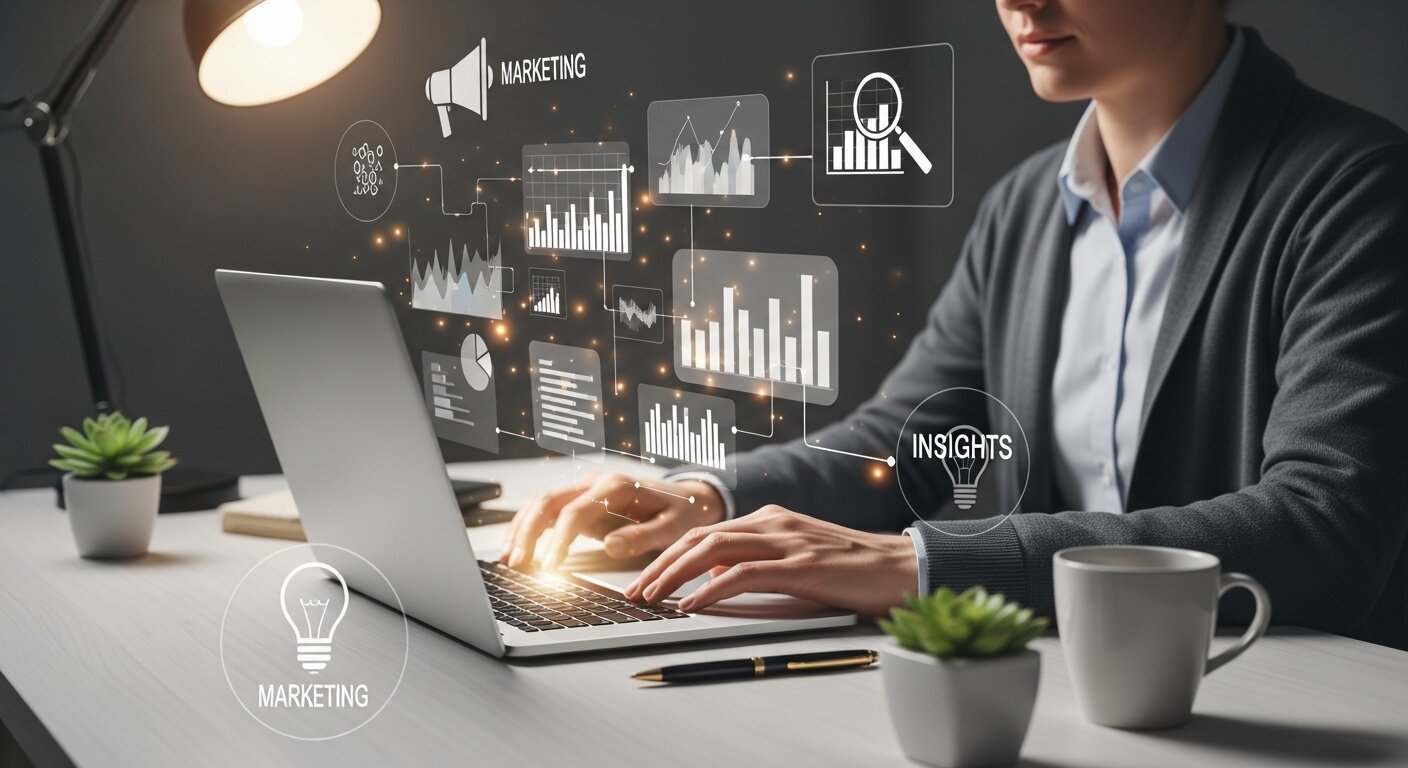
Data-driven marketing, at its core, is the strategic use of data to guide every marketing decision. Instead of relying on assumptions, guesswork, or broad demographic categories, businesses collect meaningful data about customer behaviors, preferences, purchase history, engagement patterns, and demographics. This data is then analyzed to uncover insights that shape campaigns, messaging, timing, and channel selection. In simple terms, the data driven marketing definition centers on turning raw information into actionable intelligence that improves marketing performance.
By gathering data from sources such as website analytics, CRM systems, social media interactions, and email engagement reports, marketers can build detailed customer profiles. These insights allow them to understand not only who their customers are, but also how they behave and what motivates them to take action. As a result, campaigns become more targeted, relevant, and effective.
For example, instead of sending the same generic email to an entire subscriber list, businesses can segment their audience based on browsing behavior, previous purchases, or engagement levels. A returning customer might receive a loyalty discount, while a new subscriber could receive educational content about the brand. This level of personalization significantly increases engagement and conversion rates.
Research consistently shows that organizations implementing data-driven strategies achieve higher efficiency and improved ROI—often increasing returns by up to 20% on average. In today’s fast-paced and highly competitive market, understanding and applying the data driven marketing definition is no longer optional; it is a critical component of sustainable growth and long-term marketing success.
Fundamentals of Data-Driven Marketing
To realize data-driven marketing, organizations need to follow certain fundamental methodological principles:
- Audience Segmentation
The data is just rough until you can group it by some meaningful segments. Segment your users according to demographics, location, purchase behavior, or preferences, and compose just the right marketing message. Explore more audience targeting strategies in data-driven marketing. - Personalization
People-based marketing is all about personalization. People want brands to know what they need. For example, predictive analytics software can provide personalized recommendations based on browsing history. - Measurement and Analytics
The process does not end after launching campaigns. The use of analytics means that organisations learn from every campaign. Clicks, conversions, bounces—these metrics help develop strategies for future campaigns. - Automation
AI-powered marketing automation solutions are very much needed in order to streamline data into campaigns. This is time-saving and makes things less prone to errors. - Adaptability
Data changes nearly as fast as customer behavior does. The best plans require constant recalibration.
Where to Find Sources for Data-Driven Marketing

Data-driven marketing uses information to gain insights from a variety of sources of information. Some of the major categories of data include:
- CRM Data
Our second partner is implementing a Customer Relationship Management system.
CRM platforms house all sorts of detailed information about customers – everything from contact information to buying behavior. Salesforce and Hubspot, among other tools, allow marketers to identify past interactions and subsequently target those customers. - Website Analytics
Instruments like Google Analytics monitor what users do on their site and, in some ways, they offer valuable information to understand things like bounce rate, most visited pages, or referrals. - Social Media Insights
Services such as Instagram, Facebook, and LinkedIn offer abundant analytics, illustrating what has been known as user engagement, click-through rates, and audience demographics. - Transaction Data
There are instances where historical purchase or sales interactions follow a particular pattern, i.e., seasonal trends, opportunity to bundle products, etc. Many of this data are captured automatically on the e-commerce platforms. - Third-Party Data
In many cases, businesses also obtain additional third-party data to enhance their insights and to extend targeting granularity.
Data-Driven Marketing Campaigns in Action
Spotify’s Wrapped Campaign
Spotify’s Wrapped campaign is one of the most powerful real-world examples of data-driven marketing in action. Every December, Spotify delivers a personalized year-in-review experience to each user, highlighting their most-streamed songs, favorite artists, top genres, total listening minutes, and even unique listening habits. What makes Wrapped so impactful is that it transforms raw user data into a visually engaging, interactive story that feels personal and celebratory.
Rather than simply presenting statistics, Spotify packages this information into colorful slides, shareable graphics, and fun comparisons that encourage users to reflect on their musical journey. This emotional connection increases engagement and builds loyalty while turning millions of users into voluntary brand promoters, sharing their results across Instagram, Twitter, and other social platforms. This illustrates the data driven marketing definition in action—using data to create meaningful experiences that drive brand visibility and engagement.
The campaign is a perfect illustration of the data driven marketing definition—using customer data not just to target ads, but to create meaningful, personalized experiences that drive organic reach and brand visibility. By combining personalization, storytelling, and social sharing, Spotify’s Wrapped campaign consistently generates global buzz, strengthens customer relationships, and reinforces the brand’s innovative image year after year.
Amazon Product Recommendations Based on Personalized Information
Amazon has become the gold standard for data-driven marketing largely due to its sophisticated recommendation engine. By analyzing browsing history, purchase behavior, search queries, and time spent on pages, Amazon generates personalized suggestions like “frequently bought together,” “customers also viewed,” or “recommended for you.” These tailored suggestions enhance convenience, increase the likelihood of additional purchases, and strengthen loyalty. For more on Amazon’s data-driven marketing strategies, see the detailed guide.
These recommendations do more than just suggest items—they create a tailored shopping experience that feels intuitive and relevant to each customer. By predicting what a shopper might need next or what complements their previous purchases, Amazon not only improves convenience for users but also significantly increases the likelihood of additional sales. This personalization drives higher engagement, boosts average order value, and strengthens customer loyalty.
Advantages Of Data-Driven Marketing
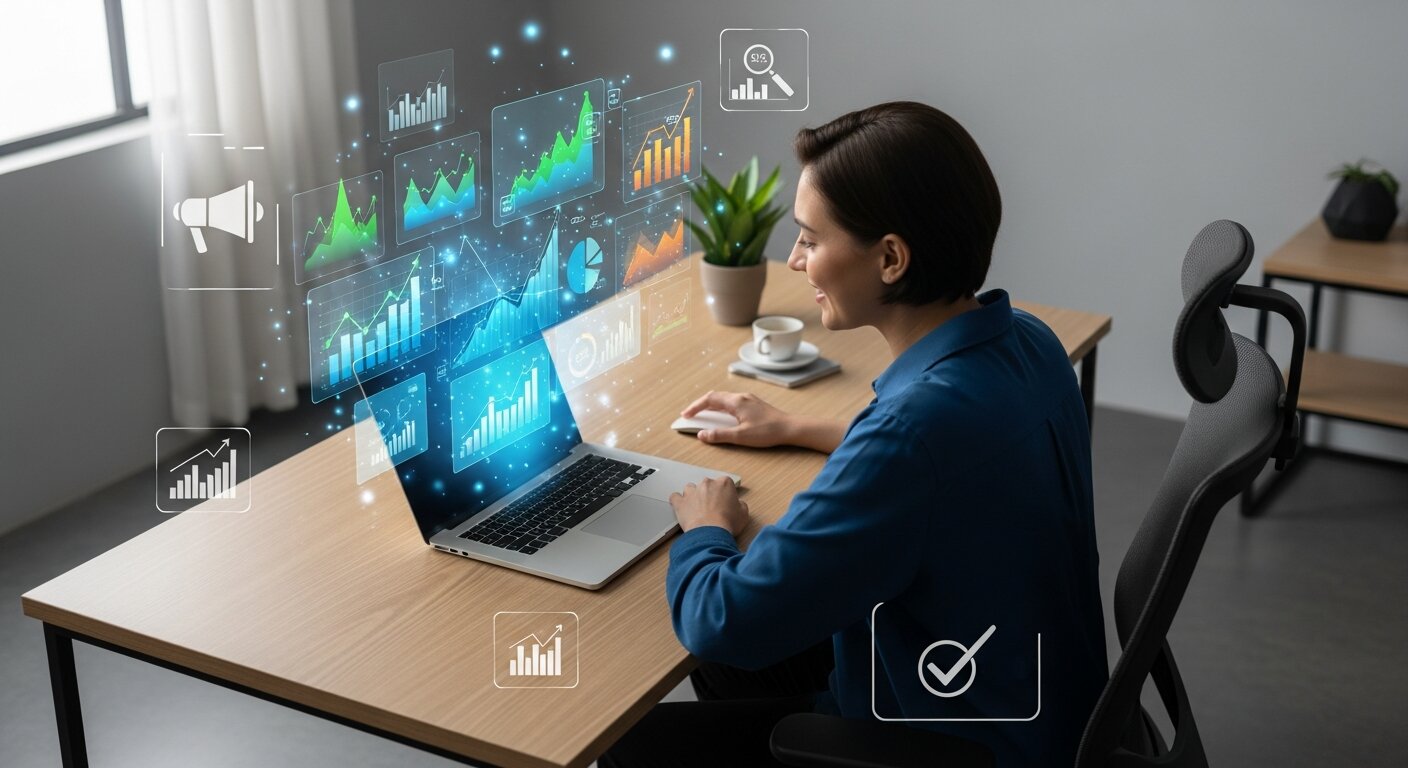
What is making marketers move to data-driven marketing methods? Here are the main advantages:
- Higher ROI
Marketing budgets are not unlimited, and no company can afford to risk throwing money behind a campaign that doesn’t work. Data allows for better targeting and less waste, leading to dramatically higher ROI. - Better Customer Insights
Data will provide you with a lot of specific information about your customer base and enable you to really get to know them better. This paves the way for creative, customer-oriented strategies. - Enhanced Personalization
Data makes it so that brands can offer experiences that are personalized to individual wants and needs. Customers who feel heard are more likely to interact and take action. - Improved Decision Making
If you have data, you can make decisions based on facts, not gut feelings. - Staying Competitive
Data-driven strategies are a boon for market leaders such as Amazon or Netflix. Brands will have to follow suit in order to keep up and meet customer demands.
Challenges and Solutions
There’s no denying the inherent advantages of data-driven marketing, but sometimes implementing these strategies can be easier said than done:
- Data Privacy Concerns
Consumers are becoming more and more aware of how brands are using their data. Being clear about your policies and adhering to relevant regulations such as GDPR can help alleviate these worries. - Analysis Paralysis
Having too much information makes it hard to make up your mind. Concentrate on metrics relevant to the objectives of your campaign – and don’t overwhelm yourself with information. - Accessibility of Tools
Advanced data instruments can be costly and cumbersome. Still, free tools like Google Analytics are generally a good place to start for small businesses.
Data Driven Marketing Resources
There’s a multitude of great tools out there that help make data-driven marketing less daunting:
- Data Collection: Google Analytics, Hubspot
- Customer Segmentation: Salesforce, Marketo
- Data Visualization: Tableau, Looker
- Email Marketing: Mailchimp, Klaviyo
- Social Media Ads: Facebook Ads Manager, Hootsuite
Social media advertising tools facilitate the process of campaign creation for prospects on several social platforms.
Examples of Brands Using Data-Driven Marketing
Netflix’s AI Ice Cream Flavors17. Netflix’s AI Recommendation Engine
Much of Netflix’s success is owed to its hyper-individualized suggestions. The platform works by analyzing billions of data points every day to recommend TV shows that closely match user behavior, and overall viewing is up by 80%.
Social Listening Campaign of Coca-Cola
Coca-Cola tracked its online brand mentions and hashtags on social media using AI tools. And they used feedback to inform their messaging for future campaigns, so that they spoke most compellingly to their audience.
The Future of Marketing in a Data-Driven World
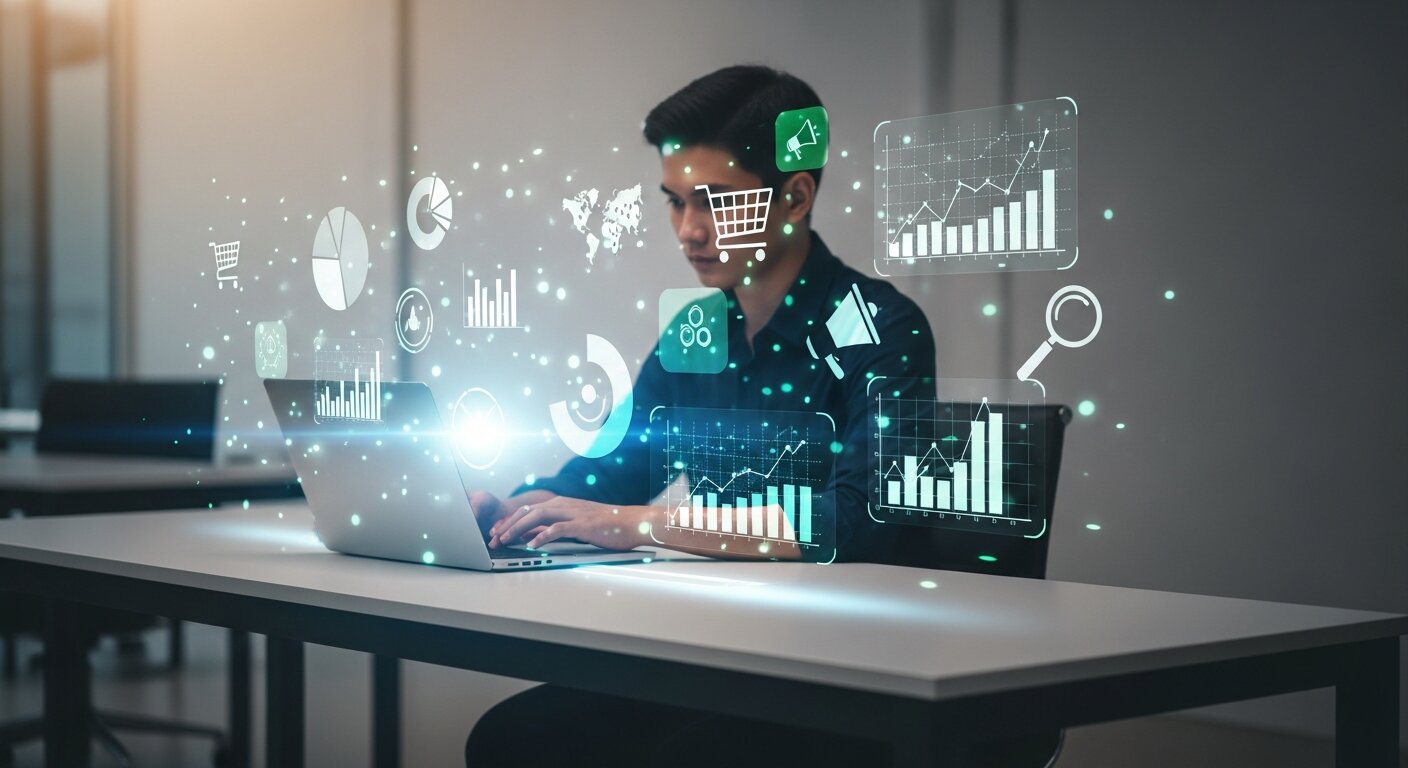
today’s digital economy. As consumer expectations continue to evolve, businesses must rely on accurate data, real-time analytics, and intelligent automation to remain relevant. Marketing strategies built purely on intuition are being replaced by systems that analyze customer behavior instantly and respond with personalized experiences at scale.
Artificial Intelligence (AI) is at the center of this transformation. AI-powered tools can process massive volumes of data in seconds, uncover hidden patterns, predict future behaviors, and automate decision-making. This allows marketers to move from reactive strategies to proactive ones—anticipating customer needs before they are even expressed. Real-time personalization, automated content recommendations, and predictive customer journeys are becoming standard practices rather than futuristic concepts.
Emerging trends such as predictive analytics are enabling brands to forecast purchasing intent and allocate budgets more efficiently. Augmented reality (AR) marketing is creating immersive experiences where customer interaction generates valuable behavioral data. Meanwhile, zero-party data—information that customers willingly share with brands—is gaining importance as privacy regulations tighten and trust becomes a key differentiator.
In the future, successful marketing will not just be data-informed but data-intelligent. Businesses that invest in advanced analytics, ethical data practices, and adaptive technologies will lead their industries. The data-driven world demands agility, transparency, and continuous optimization—qualities that define the next generation of marketing excellence.
Find out how businesses are leveraging chatbots to streamline processes and improve engagement.
Frequently Asked Questions (FAQ)
What is Data Driven Marketing Definition?
Data-driven marketing is the practice of using customer data and analytics to guide marketing strategies and decisions. It involves collecting, analyzing, and acting on insights from various data sources to deliver personalized, targeted campaigns that maximize engagement and ROI.
Why is data-driven marketing important for businesses?
Data-driven marketing allows businesses to make informed decisions rather than relying on assumptions. It improves targeting, personalization, and efficiency, resulting in higher ROI, better customer engagement, and more accurate campaign measurement.
How do small businesses benefit from data-driven marketing?
Even small businesses can implement data-driven marketing by leveraging tools like Google Analytics, email engagement tracking, and social media insights. Starting with a few key metrics and gradually expanding allows smaller teams to create precise campaigns that deliver measurable results.
What are the challenges of implementing data-driven marketing?
Challenges include data privacy concerns, overwhelming volumes of data (analysis paralysis), and the cost of advanced tools. Solutions involve focusing on relevant metrics, using ethical practices, and starting with accessible tools such as free analytics platforms.
How does data-driven marketing improve personalization?
By analyzing user behavior, preferences, and demographics, brands can deliver content, recommendations, and offers tailored to each individual. This increases engagement, conversion rates, and customer loyalty.
How is AI shaping the future of data-driven marketing?
AI enables real-time analysis and prediction, automating tasks such as campaign optimization and content personalization. It allows marketers to respond to customer needs faster and more accurately, reinforcing the modern definition of data-driven marketing.
Can data-driven marketing work across all industries?
Yes. Whether it’s e-commerce, entertainment, B2B, or service industries, data-driven marketing principles can be applied to understand customer behavior, improve targeting, and optimize campaigns for maximum effectiveness.
How does the Data Driven Marketing Definition differ from traditional marketing?
The data driven marketing definition focuses on making decisions based on measurable customer data rather than intuition or broad demographic assumptions. Traditional marketing often relied on generalized audience segments, while data-driven marketing uses real-time analytics, behavior tracking, and performance metrics to create highly targeted and personalized campaigns.
What types of data are most important in the Data Driven Marketing Definition?
The data driven marketing definition includes multiple types of data such as demographic data, behavioral data, transactional data, and engagement metrics. Behavioral and transactional data are especially valuable because they reveal how customers interact with a brand and what motivates their purchasing decisions.
How can companies measure success using the Data Driven Marketing Definition?
According to the data driven marketing definition, success is measured through key performance indicators (KPIs) such as conversion rates, customer acquisition cost, customer lifetime value, engagement rates, and return on investment (ROI). Continuous monitoring and optimization based on these metrics ensure campaigns improve over time and deliver measurable business growth.



Leave a Reply