

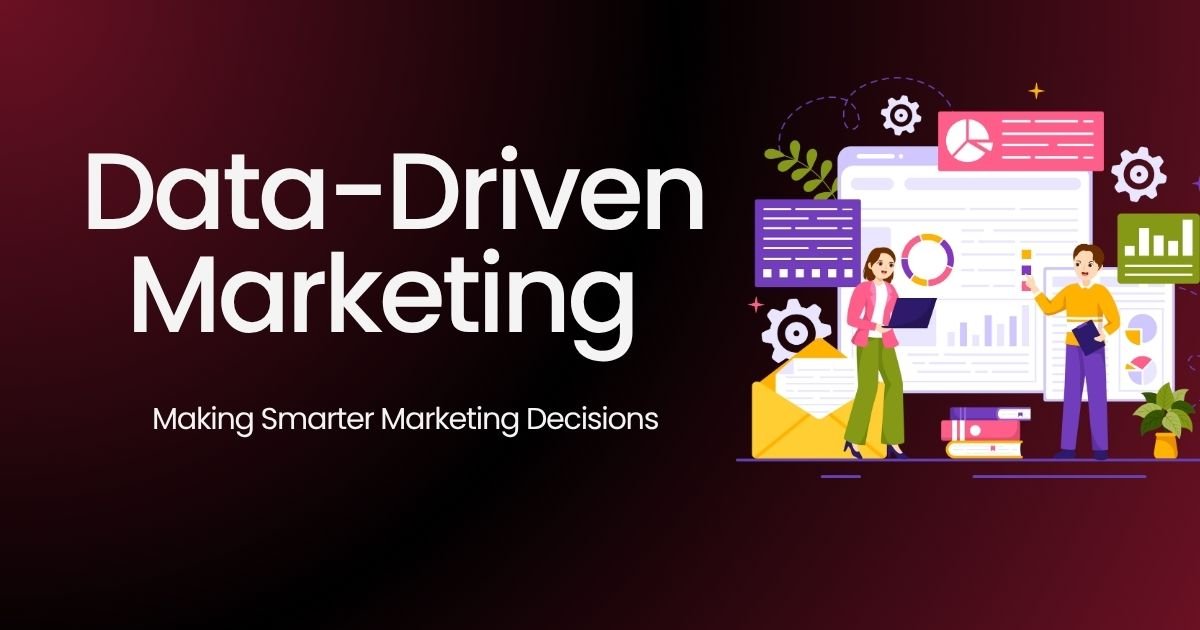
What Exactly Is Data-Driven Marketing?

Why Is It Important?
Nor is the move to data-driven strategies entirely happenstance. Here’s why using it is essential for marketers today:
- Wiser strategy: Make decisions that are based on solid facts, not guesswork.
- Personalization: Leverage information, such as ad or message relevance, to target the audience.
- Better ROI: Maximize campaigns and finance spend where it works harder.
- Deeper customer connections: Leverage intelligence to know your audience’s needs and likes and deliver messaging that resonates.
Setting Clear Goals and KPIs
Before diving into analytics, you need clearly defined objectives. Without direction, even the best data becomes noise. Many marketers follow structured frameworks when developing a data-driven marketing strategy to ensure alignment between goals and measurable outcomes.
Clear goals provide focus and alignment across your marketing strategy. Whether you aim to increase website traffic, boost sales conversions, grow your email subscriber list, or improve customer retention, each objective should be specific and measurable. Using the SMART framework—specific, measurable, achievable, relevant, and time-bound—helps transform vague ambitions into actionable targets.
KPIs act as measurable benchmarks that track your progress toward those goals. For example, if your objective is to increase revenue, you might monitor conversion rate, average order value, and customer lifetime value. If your goal is brand awareness, metrics like website sessions, social media engagement, and reach become more relevant. By aligning KPIs directly with your business objectives, you create a clear roadmap for evaluating performance and optimizing campaigns based on real data rather than assumptions.
Defining Objectives
What is the objective you want to reach with your marketing? A well-defined goal, Focus , and direction are provided by clear goals. Your goals might include:
- 20% More Website Traffic in 90 days
- Producing About 50 New Flips Every Month
- Increasing Email Click-Through Rate by 15%
Make your goals SMART = specific, measurable, achievable, relevant, and time-bound.
Quantifiable measures that the company uses to measure performance.
Selecting KPIs
Once you define your goals, you need to select the KPIs to track your progress. For example:
- Website Traffic KPI: Unique page visits or page views, or bounce rate
- Lead Generation KPI: Downloaded eBooks, filled out forms, or requested demo COMPANY experience possible! important
- Sales Conversion Metric: Revenue earned, recovered abandoned carts, or number of deals closed
These can be some of the KPIs that will provide you with a sense of how you are doing or let you know that you need to tweak your approach.
Data Collection Methods
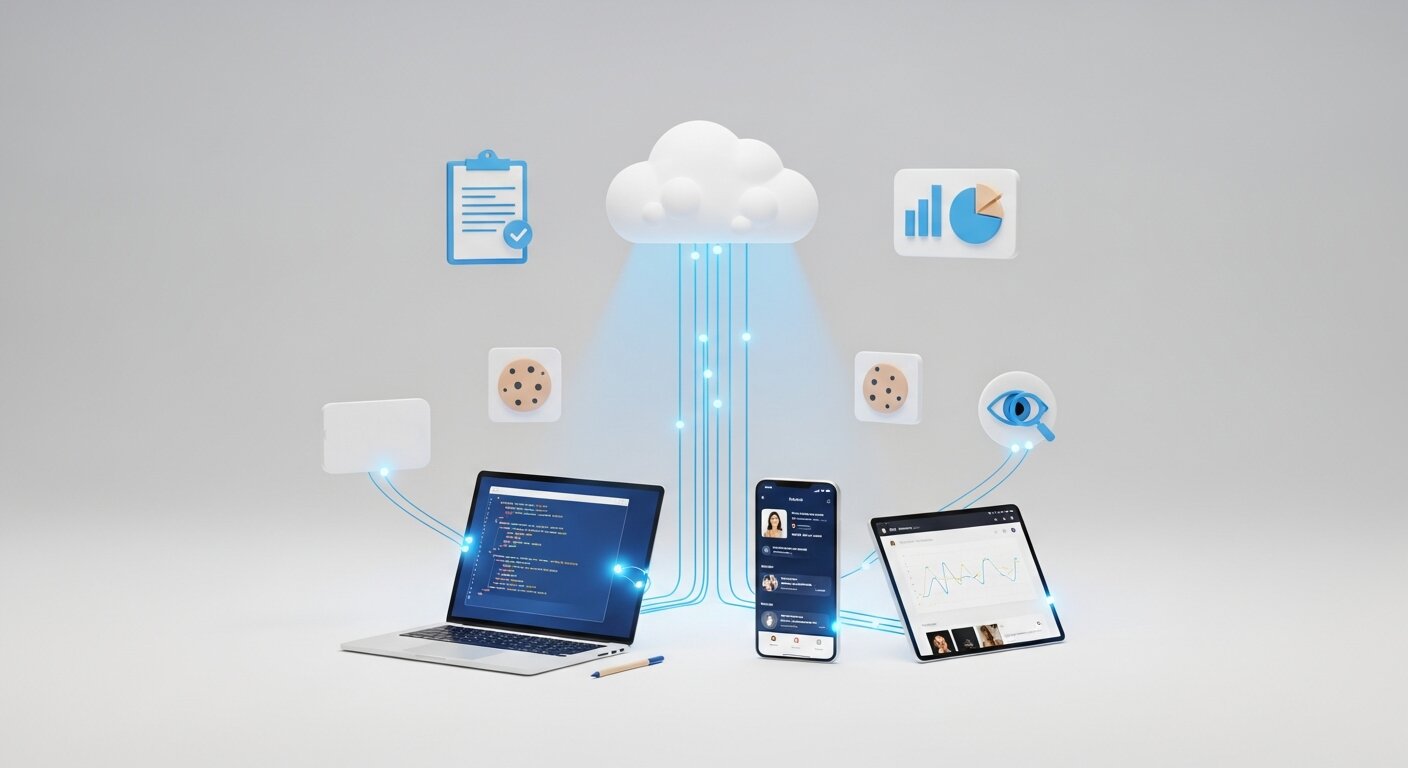
At the core of data-driven marketing is strong data gathering. To learn what your audience wants and to identify pain points, turn to these sources:
Website Analytics
Products like Google Analytics offer powerful user behavior analytics, such as:
- Traffic volume
- Average session duration
- High-performing pages
- Bounce rates
Analyze these measures to determine what is working and where you need to make adjustments.
Social Media Analytics
Sites such as Facebook, Instagram, and LinkedIn all have native analytics to help keep tabs on:
- Click-through rates (CTR)
- Audience demographics
- Click-through rates to the website
- Other engagement (likes, comments, shares)
Use this information to refine your marketing messages forward.
CRM Data
Your CRM (Customer Relationship Management) system is one of the most valuable assets in a data-driven marketing strategy. It stores rich customer information such as purchase history, browsing patterns, email interactions, support tickets, and customer lifecycle stages. This centralized database allows you to see a complete picture of each customer’s journey with your brand.
For advanced customer-centric strategies, explore this guide to customer data-driven marketing.
By analyzing CRM data, you can segment customers based on behavior, buying frequency, average order value, or engagement level. For example, repeat buyers can receive loyalty rewards, inactive customers can be targeted with re-engagement campaigns, and high-value customers can receive exclusive offers. Understanding these data points enables you to personalize communication, improve retention strategies, and ultimately increase customer lifetime value.
Surveys and Feedback
While analytics tools provide quantitative insights, surveys and direct feedback offer valuable qualitative data. Sometimes the simplest way to understand your audience is to ask them directly. Surveys help uncover customer preferences, pain points, satisfaction levels, and expectations that may not be visible through behavioral data alone.
Using tools like Google Forms or Typeform makes it easy to collect feedback through post-purchase surveys, email questionnaires, or website pop-ups. You can ask about product satisfaction, reasons for cart abandonment, or suggestions for improvement. This direct input allows you to refine your messaging, improve products or services, and strengthen customer relationships by showing that their opinions truly matter.
Analyzing Data for Insights
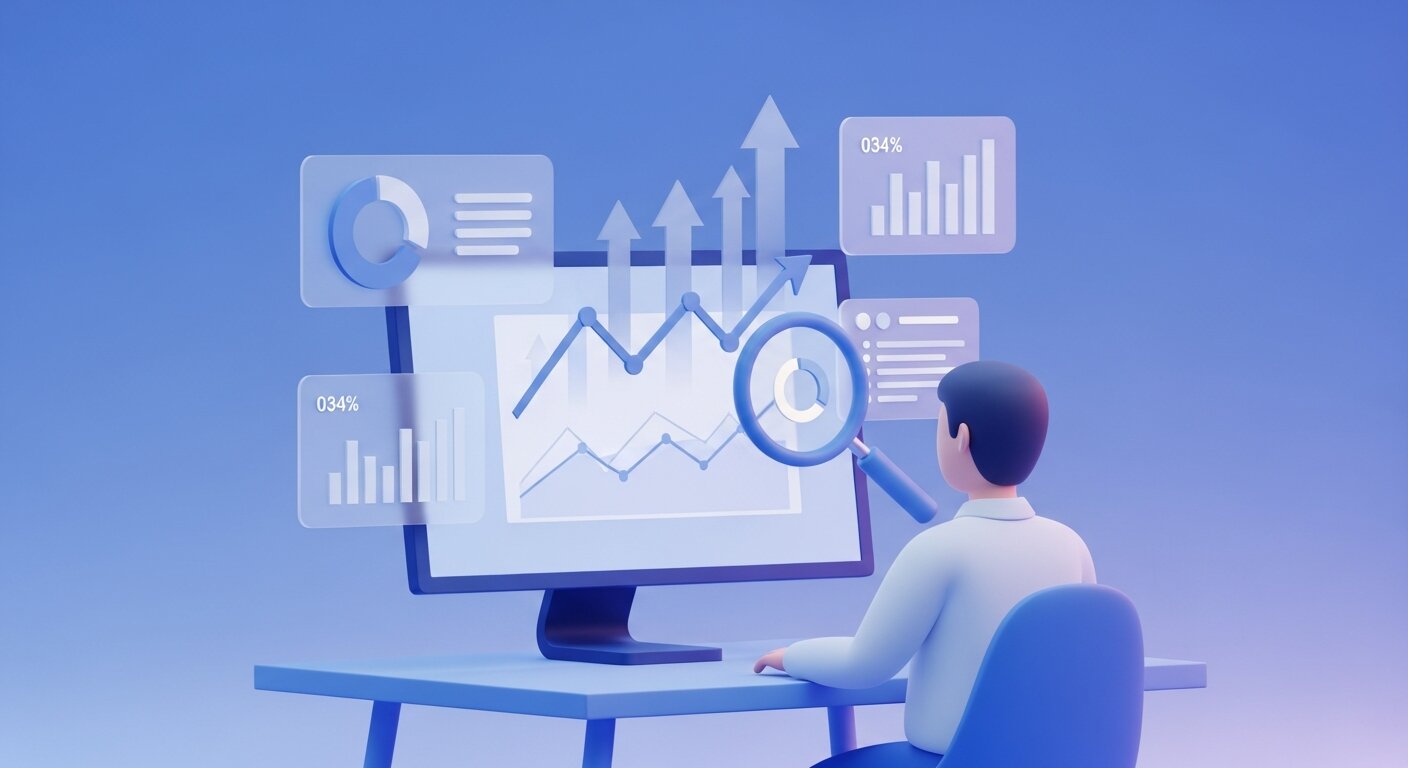
Once your data is collected, the real value lies in analyzing it effectively. Raw data alone does not drive results—actionable insights do. Data analysis involves identifying trends, patterns, correlations, and anomalies that can inform smarter marketing decisions.
Advanced marketers rely on tools such as Tableau, Power BI, and CRM dashboards to visualize trends. If you want to maximize campaign performance, learn more about using data-driven marketing for better results.
For example, you might discover that certain products perform better during specific seasons, that particular customer segments respond more positively to email promotions, or that a specific landing page has a higher bounce rate. These insights allow you to optimize campaigns, adjust targeting, and allocate your marketing budget more efficiently. By consistently reviewing and interpreting your data, you transform information into strategic actions that drive measurable growth.
Tools and Techniques
Here are a few tools that help me effectively and efficiently analyze data:
- Google Analytics for site metrics
- Tableau or Power BI for Intermediate to Advanced Data Visualization
- HubSpot or Salesforce for intelligence around CRM stuff
Trend and Pattern Recognition
What you are looking for are patterns in your data. For example:
- Do certain days or times see their highest sales?
- What type of customer responds the most to your email marketing campaigns?
- What types of content bring the most visitors to your blog?
Answering questions like these provides much-needed clarity around what’s working (and what isn’t).
Staffing a Data-Driven Campaign
To do this, Savary put into practice data-driven strategies.
Your actions tomorrow are led by the wisdom you gained today through analysing your data. Below are some ways to put your insights into action.
Personalization
Personalize every interaction by using customer data. Examples include:
- Dynamic email content is created based on the user’s purchase history.
- Recommendations based on previous browsing products
Content Optimization
Types of data can inform the kind, style, and delivery of your content:
- Experiment with A/B testing to determine whether headlines or designs work better.
- Write for blog work around words with significant search volume, as identified by SEO.
Targeted Advertising
Leverage data-driven audience segments to make sure your ad is served to the right people. Services including Google Ads and Facebook Ads Manager offer an incredibly granular level of audience targeting based on demographics, interests, and online behavior.
Gauging and Adapting Your Approach
Your marketing strategy is never set in stone. Track results, see the effects of efforts, and tweak campaigns on a daily basis.
A/B Testing
Tinker with variables to see what gets the best response from your audience. For example:
- Test an ad with two different headlines.
- Compare two email layouts to see which one receives the highest click-throughs.
Continuous Improvement
Marketing is not static. By what worked and what flopped in each campaign. Then take that information and adapt your approach so that you can do better next time.
Case Studies and Examples
Data-driven marketing in action – 3 examples in the wild
Here’s how data-driven marketing shook things up in the real world:
Netflix
Netflix, for example, is well-known for relying on data to create personalized recommendations for its users. This customization is key for retaining and engaging customers.
Amazon
Amazon’s sales are driven in part by its product recommendation engine, which offers suggestions tailored to a customer’s purchase history. Data is power: these recommendations generate 35% of Amazon’s income.
A Summary of Data-Driven Marketing
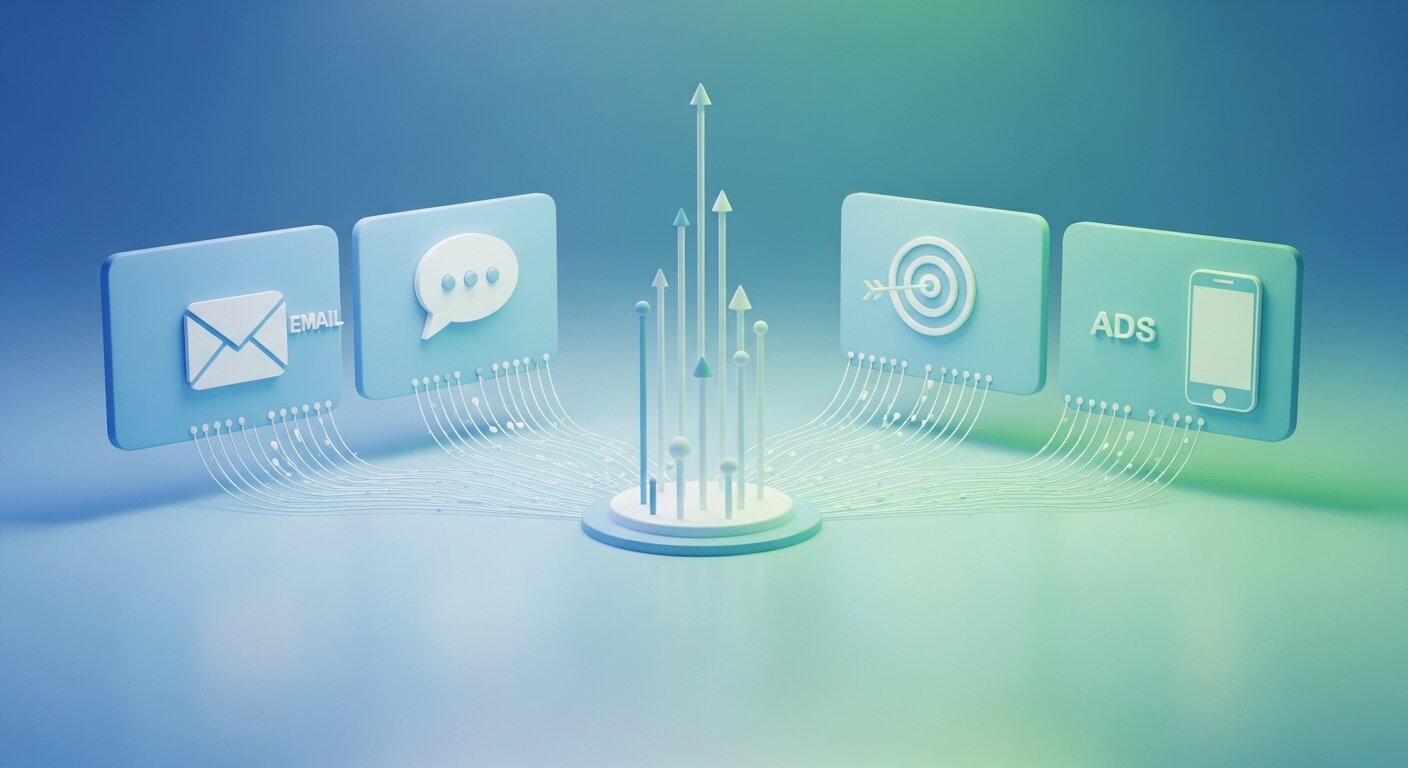
Data-driven marketing is no longer just a trend on the horizon—it has become the foundation of modern marketing strategy. In an increasingly competitive and digital-first marketplace, businesses that rely on data gain a significant advantage over those that depend solely on intuition or outdated tactics.
The data revolution has transformed marketing like never before. Today, brands have access to detailed insights about customer behavior, preferences, engagement patterns, and purchasing habits. By leveraging this information, businesses can better understand their audience, create highly personalized campaigns, and deliver messages that truly resonate. Instead of guessing what customers want, marketers can use measurable insights to craft targeted strategies that drive engagement, conversions, and long-term loyalty.
Ultimately, being data-driven means making smarter decisions at every stage of the marketing funnel—from awareness to retention. It empowers brands to optimize performance continuously, maximize ROI, and build meaningful relationships with customers. In a world where consumer expectations are constantly rising, data-driven marketing is not just important—it is essential for sustainable growth.
If you’re interested in monetizing your online presence, learn what an affiliate program is and how it can help you earn and grow.
Frequently Asked Questions (FAQ)
What is E-commerce Data Management, and why is it important for marketers?
E-commerce Data Management is the process of collecting, organizing, and analyzing customer and transactional data to support marketing decisions. It ensures data accuracy, helps segment audiences effectively, and allows brands to deliver personalized experiences that improve conversions and ROI. Strong data management is the foundation of Data-Driven Marketing That Drives Real Results, because accurate insights lead to smarter strategies.
How does E-commerce Data Management improve personalization?
By storing and analyzing data on customer behavior, purchase history, and preferences, E-commerce Data Management enables marketers to create highly targeted campaigns. Personalized recommendations, tailored emails, and relevant promotions become possible, leading to higher engagement and sales. This structured approach supports Data-Driven Marketing That Drives Real Results by ensuring every message is relevant and timely.
Can small e-commerce businesses benefit from E-commerce Data Management?
Absolutely. Even smaller businesses can use tools like Google Analytics, HubSpot, or CRM software to manage customer data efficiently. Proper data management allows small teams to make informed decisions and compete with larger brands through Data-Driven Marketing That Drives Real Results, even with limited resources.
What role does E-commerce Data Management play in omnichannel marketing?
It helps maintain a consistent customer experience across multiple channels by tracking interactions, consolidating data, and providing insights on which channels drive the most engagement and conversions. When unified properly, it strengthens Data-Driven Marketing That Drives Real Results across email, social media, paid ads, and website interactions.
How does predictive analytics work with E-commerce Data Management?
Predictive analytics uses the organized data from your e-commerce platform to forecast customer behavior, such as purchase intent or churn likelihood. This allows marketers to plan campaigns proactively, making Data-Driven Marketing That Drives Real Results more strategic, timely, and revenue-focused.
How can marketers measure the ROI of data-driven campaigns?
Using E-commerce Data Management, marketers can track KPIs such as conversion rates, click-through rates, customer lifetime value, and average order value. Dashboards and reporting tools allow continuous monitoring and optimization, ensuring Data-Driven Marketing That Drives Real Results remains measurable and performance-driven.
What challenges exist in implementing E-commerce Data Management?
Common challenges include ensuring data accuracy, integrating multiple platforms, maintaining privacy compliance, and avoiding information overload. These can be mitigated through proper planning, staff training, and leveraging scalable tools to sustain Data-Driven Marketing That Drives Real Results.
How does E-commerce Data Management help reduce abandoned carts?
By analyzing customer behavior and purchase patterns, E-commerce Data Management can identify why shoppers leave without completing purchases. Marketers can then create targeted campaigns, like personalized reminders, discounts, or product recommendations, turning abandoned carts into recovered sales through Data-Driven Marketing That Drives Real Results.
Can E-commerce Data Management improve customer retention?
Yes. With organized data on customer interactions, purchase history, and engagement patterns, marketers can predict when a customer might churn and proactively send personalized offers, loyalty incentives, or relevant content. This proactive engagement supports long-term loyalty and reflects Data-Driven Marketing That Drives Real Results in action.
What tools are essential for effective E-commerce Data Management?
Key tools include CRM platforms like Salesforce or HubSpot, analytics dashboards like Google Analytics or Tableau, email marketing software integrated with customer data, and AI-powered recommendation engines. These tools ensure that all customer data is organized, actionable, and aligned with Data-Driven Marketing That Drives Real Results.



Leave a Reply