


How Data-Driven Marketing Shapes Customer Journeys
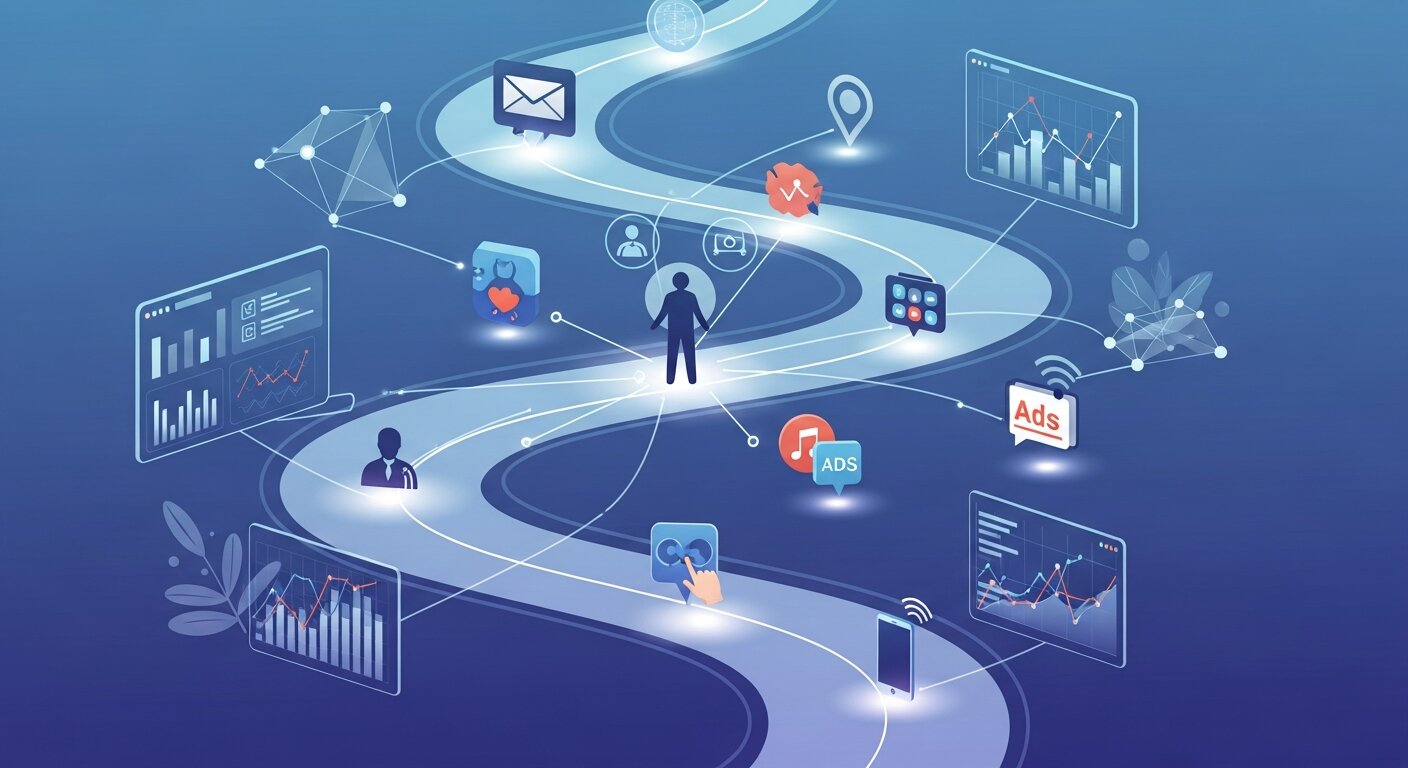
In e-commerce, understanding the customer journey is crucial. Data-driven marketing allows brands to map the entire journey from awareness to conversion and even post-purchase engagement. By tracking every interaction—such as website visits, clicks on ads, social media engagement, and email opens—you can see exactly where potential customers drop off or engage more deeply. This knowledge lets you adjust campaigns in real time, whether it’s offering a discount to a hesitant buyer, sending a personalized recommendation, or creating content that resonates with specific segments. Brands that leverage this insight create seamless, frictionless experiences, which not only increase conversions but also strengthen long-term loyalty.
The Role of Predictive Analytics in E-Commerce
One of the most exciting advancements in data-driven marketing is predictive analytics. Instead of only reacting to customer behavior after the fact, predictive analytics uses historical data, AI models, and machine learning to anticipate what a customer is likely to do next. For example, if a shopper frequently purchases running shoes every six months, predictive models can forecast when they’re likely to need new shoes and automatically trigger targeted campaigns. Predictive analytics can also identify at-risk customers who may churn and provide personalized retention strategies. For e-commerce businesses, this proactive approach turns marketing from a reactive effort into a forward-looking growth engine.
The Importance of Data-Driven Marketing For E-Commerce
Data-driven marketing is the practice of collecting and analyzing customer information—such as browsing behavior, purchase history, preferences, and engagement patterns—to create highly targeted and personalized marketing campaigns. Instead of relying on generic messages that treat all customers the same, data-driven marketing allows e-commerce businesses to understand individual customer needs and anticipate their behavior. This approach improves the efficiency of marketing efforts, increases the chances of conversion, and strengthens customer relationships by delivering relevant offers at the right time. By leveraging data, companies can also measure the performance of their campaigns more accurately, continuously optimize strategies, and make informed decisions that drive growth. In today’s competitive online marketplace, this precision gives e-commerce brands a significant edge over those using traditional, one-size-fits-all marketing methods.
Businesses can learn more about organizing and managing customer information in CRM data management best practices.
Why does this matter?
- E-commerce sales are on track to hit $6.3 trillion globally by 2024, making the competition tough.
- Consumers today want personalized experiences, 71% expect brands to provide personalized marketing.
- With a data-driven strategy, your e-commerce brand can be what consumers expect you to be while getting the most from your marketing budget.
Advantages of Data-Driven Marketing
You may be wondering if it’s worth it to invest in data-driven marketing. Here’s a look at five of the benefits it provides:
- Customer experiences that are tailor-made
Personalized messages to each member will increase trust and interaction with you. Recommendation based on purchase history is one example that can lead to better relevance. McKinsey says personalization can deliver a 10–15% uplift in sales. - More Effective Targeting and Optimization
Data helps segment audiences by behavior, location, and preferences, improving ad targeting and conversions. See how companies use data-driven marketing to optimize campaigns. - Enhanced ROI
By letting data guide your campaigns, you’re doing a much better job of managing your resources. One less thing to wonder about, and those things you do wonder about, you can spend more time on them, rather than shooting in the dark to see what works. We know companies that rely on data-driven marketing are 3x more likely to improve their ROI, studies say. - Real-Time Insights
Monitor campaigns in real time through dashboards and analytics tools for immediate tweaks. This flexibility enables you to change strategies as necessary, saving time and money in the long run. Dashboards and analytics tools allow immediate adjustments. Tools and methods are explained in our guide to what is a data-driven marketing strategy.
How to Gather Customer Information for Marketing
The very nature of impactful data-driven marketing begins first and foremost with the correct data. But how do you collect actionable insights without overloading your systems or invading customers’ privacy?
- Website Analytics
Google Analytics or Adobe Analytics monitor how visitors interact with a website, so you can see:
Pages viewed, Time spent on site, Cart abandonment rates - Customer Profiles
Ask them to set up profiles around their preferences so you can tailor their experiences. - Surveys and Feedback
Interrogate your customers right now about what they want or want. Short surveys, or even post-purchase feedback forms, can be very insightful. - Email and CRM Tools
Email marketing tools integrated with CRM software can also track contacts and record customer concern interactions, previous purchases, and potential interests. - Social Media Insights
Use social listening tools to keep track of customer attitudes and purchasing trends.
Fundamental Tools and Techniques Every Data-Driven Marketer Should Know
In e-commerce, to support a robust data-driven marketing strategy, you need the proper tools. Here are some must-haves:
- CRM (Customer Relationship Management)
CRMs, such as Salesforce or HubSpot, store customer data to further help with segmentation and personalized campaigns. - Platform for Marketing Automation
Repetitive tasks, including sending welcome emails or re-targeting customers, are handled by automation tools such as Klaviyo or Marketo. - Data Analytics Platforms
Leverage platforms like Tableau or Google Data Studio to quickly bring your data insights to life. - AI and Machine Learning Tools
You can predict a customer’s inclination to buy and recommend products with AI-powered platforms like Shopify’s Sensei or Dynamic Yield. - A/B Testing Software
Products like Optimize or VWO allow you to test different strategies to see what your specific audience responds to best.
Data-Driven Marketing Examples You Can Apply
What does data-driven marketing mean in practice? Here are two strong examples of e-commerce brands that are killing it:
Amazon’s Customized Recommendations
Amazon is not just the world’s largest online retailer; it’s also the world leader in data-driven personalization. Their personalized product recommendations based on browsing history, past purchases, and preferences constitute 35% of their revenues.
Takeaway: Use observed customer behavioral data to generate personalized recommendations that result in repeat purchases.
Nike and Its AI-Driven Campaigns
Nike believes that AI allows the company to create a picture of what its customers want by analyzing data and learning their buying behaviors. Their highly relevant recommendations and personalized campaigns resulted in a remarkable lift in customer engagement and conversions.
AI-Powered Personalization: Organize your customers into groups based on their behavior, then deliver tailored content to each group.
Using Data-Driven Strategies in the Real World

Embarking on data-driven marketing may seem a little daunting, but here are some steps to get you started down the right path:
- Define Your Goals
What are your goals with data-driven marketing? Whether it be more sales, better ROI, stronger customer engagement — whatever — just make it a number. - Audit Your Existing Data
Before you harvest new data, audit what you have in-house. Make sure it’s tidy and current. Ensure current data is accurate. Learn what is data-driven marketing: a quick guide. - Choose the Right Tools
Invest in things that are aligned with your goals, whether those are CRM, analytics, or AI-based tools. - Launch Personalized Campaigns
Begin with targeted email campaigns. Target offers are based on data such as purchase history or recently viewed products. - Measure and Optimize
Monitor the performance of your campaigns using platforms such as Google Analytics. Leverage data to refine and optimize future efforts.
Prospective Difficulties and Interventions
Although data-driven marketing has a lot to offer, it comes with its own set of challenges. Knowing the landmines can help clear the path to success:
- Challenge 1: Privacy Issues
Solution: Comply with G.D.P.R., and consumer privacy laws, and be transparent about how you collect and use data. - Challenge 2: Data Overload
Solution: Focus on quality, not quantity. Just pay attention to the actionable insights and don’t analyze every metric. - Obstacle 3: High Costs to Implement
Solution: Begin small by focusing on a single data-driven campaign and grow when you achieve some wins.
Next Wave in Data-Driven Marketing
Data-driven marketing is an ever-growing beast. Here are trends to watch:
- AI-Powered Personalization will only get bigger, improving campaigns further.
- As third-party cookies phase out, we’re seeing the rise of Cookieless Tracking. Look for a move toward first-party and zero-party data.
- Brands will be lead by predictive analytics tools to predict how the future customer will behave.
Predict Your E-Commerce Future Using Data
Data-driven marketing is not only a trend, but the future of e-commerce. A game changer for businesses regardless of their size, it has the power to customize experiences, refine campaigns and drive up ROI.
Leverage those possibilities by buying data (like access to credit card transactions), build a very targeted strategy and advertise to them. Your e-commerce business will grow and keep ahead in the increasingly cutthroat market.
For tips on growing your personal brand and influence, learn the essentials of becoming a social media influencer.
How to Become a Social Media Influencer and Build a Strong Personal Brand
Frequently Asked Questions (FAQ)
What is Data Driven Marketing in E-Commerce?
Data Driven Marketing in E-Commerce is the process of using customer data—such as purchase history, browsing behavior, preferences, and engagement patterns—to create highly targeted marketing campaigns. This approach allows e-commerce businesses to make informed decisions, improve personalization, and increase ROI instead of relying on generic or guesswork marketing.
Why is Data Driven Marketing in E-Commerce important for online businesses?
In the competitive e-commerce landscape, customers expect personalized experiences. Data Driven Marketing in E-Commerce helps brands stand out by delivering tailored messaging, maximizing marketing budgets, and creating campaigns that resonate with customers, resulting in higher engagement, conversions, and long-term loyalty.
What types of data are essential for Data Driven Marketing in E-Commerce?
Crucial data types for Data Driven Marketing in E-Commerce include customer profiles, purchase history, website analytics, email engagement, social media activity, and customer feedback surveys. By combining these datasets, brands can develop actionable insights to optimize campaigns and improve customer experiences.
How can small e-commerce businesses start with Data Driven Marketing in E-Commerce?
Small e-commerce businesses should begin with one focused campaign, such as personalized email recommendations or retargeting based on browsing history. Affordable tools like Google Analytics, HubSpot, or Klaviyo make it possible to collect, analyze, and apply customer data effectively for Data Driven Marketing in E-Commerce even on a limited budget.
How does personalization boost ROI in Data Driven Marketing in E-Commerce?
Personalization is a key advantage of Data Driven Marketing in E-Commerce. Tailored recommendations, offers, and content increase engagement, encourage repeat purchases, and enhance customer loyalty. Research shows that personalization can deliver up to 10–15% higher revenue and significantly improve conversion rates.
Can Data Driven Marketing in E-Commerce help with customer retention?
Yes. By analyzing customer behavior and predicting future needs, Data Driven Marketing in E-Commerce allows brands to send timely and relevant offers. This improves retention, reduces churn, and builds stronger relationships with repeat buyers, which is vital for subscription-based or high-frequency e-commerce businesses.
What role do privacy laws play in Data Driven Marketing in E-Commerce?
Privacy compliance is critical for ethical Data Driven Marketing in E-Commerce. Laws like GDPR require transparency in data collection and user consent. By prioritizing first-party and zero-party data, e-commerce brands can maintain customer trust while still delivering personalized and relevant marketing campaigns.
What tools are necessary for effective Data Driven Marketing in E-Commerce?
Key tools for Data Driven Marketing in E-Commerce include CRM systems, marketing automation platforms, analytics dashboards, AI recommendation engines, and A/B testing software. These tools help brands organize data, automate campaigns, measure performance, and continually optimize marketing efforts.
How do e-commerce brands measure the success of Data Driven Marketing in E-Commerce?
Success metrics for Data Driven Marketing in E-Commerce include conversion rates, click-through rates, average order value, customer lifetime value (CLV), and engagement rates. Monitoring these KPIs ensures that marketing strategies are effective, and helps refine campaigns to maximize ROI.
What are the latest trends in Data Driven Marketing in E-Commerce?
Emerging trends in Data Driven Marketing in E-Commerce include AI-driven personalization, predictive analytics, cookieless tracking, hyper-targeted multi-channel campaigns, and immersive shopping experiences like AR/VR. Staying updated with these trends helps e-commerce brands enhance ROI and remain competitive in the evolving digital marketplace.



Leave a Reply