

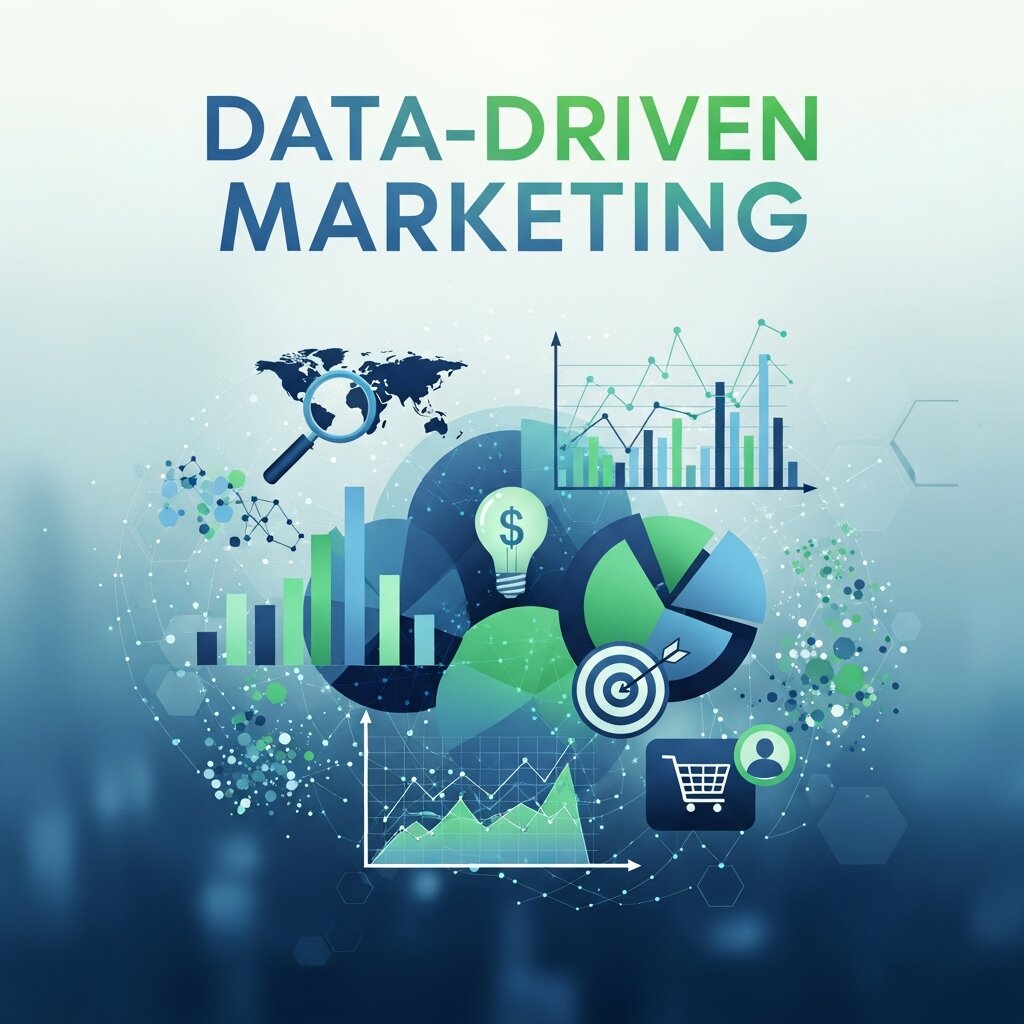
In today’s digital landscape, businesses are seeking every competitive edge to connect with consumers more meaningfully. AI-driven data-driven marketing has emerged as a transformative approach that combines advanced analytics with artificial intelligence to deliver personalized experiences, boost efficiency, and maximize return on investment. Currently, marketing teams leverage vast volumes of customer information—from browsing behavior to purchase history—to inform strategy and messaging.
When paired with AI capabilities such as machine learning and natural language processing, this data becomes a powerful engine for real-time optimization and predictive insights. In this exploration, we’ll examine the fundamentals behind data-informed campaigns, uncover the benefits of integrating intelligent automation, and map out strategic steps for deploying cutting-edge tools. By weaving together theory and practical guidance, this article aims to equip marketers with actionable tactics for sustainable growth in 2026. Whether you’re just beginning an AI pilot or expanding an enterprise program, these insights will help you unlock deeper customer engagement and measurable business outcomes.
Understanding Data-Driven Marketing and AI
What Is Data-Driven Marketing?
Data-driven marketing relies on gathering, analyzing, and acting on customer information to tailor messaging and offers. In practice, marketers collect first-party data from websites, apps, and CRM platforms, then enrich it with third-party sources when compliance and privacy policies allow. By applying segmentation models to demographics, sentiment scores, and behavioral signals, teams can deliver relevant content that resonates with specific audience segments. This approach shifts strategy from broad assumptions to evidence-based decisions, increasing the likelihood of conversion and retention. According to research from NIST, organizations that embrace data-driven workflows report up to 40% higher campaign effectiveness compared to peers.
How AI Amplifies Marketing Intelligence
Artificial intelligence elevates data-driven marketing by automating complex tasks, uncovering hidden correlations, and enabling predictive forecasting. Machine learning algorithms digest massive datasets to reveal patterns that escape manual analysis. Natural language processing interprets customer feedback at scale, while computer vision can analyze visual engagement on social channels. These technologies allow marketers to test hypotheses, adjust bids, and personalize experiences in real time. For instance, dynamic content engines powered by AI can swap headlines, images, or calls to action based on individual user attributes within milliseconds. As a result, brands achieve a level of relevance and agility that was previously unattainable without significant human resources and time investment.
Key Benefits of Integrating AI into Data-Driven Marketing
Enhanced Personalization at Scale
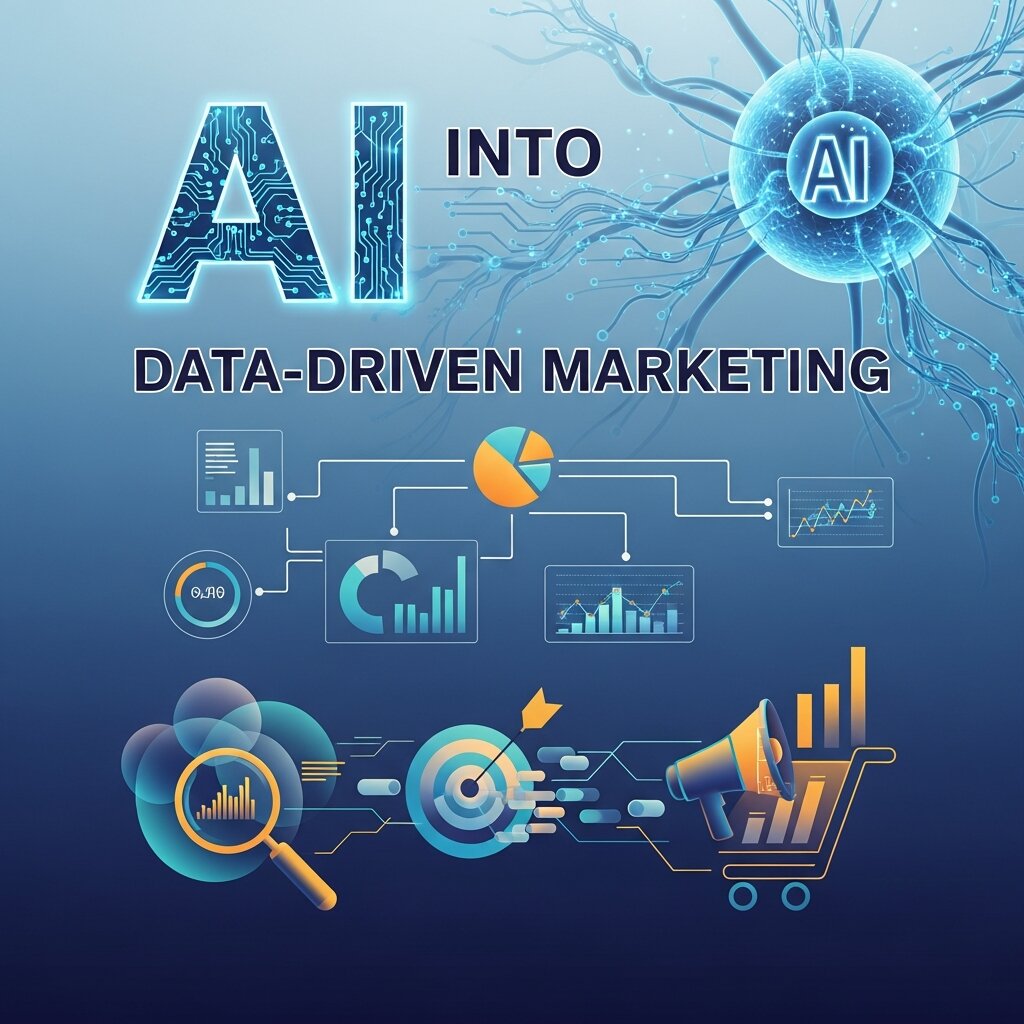
One of the most significant advantages of AI-driven data-driven marketing is the ability to deliver bespoke experiences across channels. Algorithms continuously segment audiences based on evolving behavior, then recommend products or content that align with each person’s interests. This level of personalization fosters deeper engagement and can increase average order value by up to 35%, according to studies at Harvard University. Whether through personalized emails, dynamic website modules, or social media ads, AI tailors interactions in a fraction of the time it would take manually.
Improved Operational Efficiency
Automating routine tasks such as data cleansing, model retraining, and performance reporting frees up marketing professionals to focus on strategic initiatives. Rule-based workflows and AI-driven recommendations accelerate decision-making, reduce human error, and minimize manual intervention. Teams gain bandwidth to innovate rather than manage spreadsheets.
Predictive Insights and Forecasting
Machine learning models can forecast trends, customer churn risk, and lifetime value with high accuracy. Marketers leverage these predictions to prioritize resources, adjust budgets, and optimize customer journeys proactively. Instead of reacting to declining metrics, they stay ahead of shifts in demand or sentiment.
Real-Time Optimization
In today’s fast-paced environment, static campaigns fall short of consumer expectations. AI-driven systems monitor performance as it happens, automatically tweaking bids, creative elements, and audience targets to maintain peak efficiency. This continuous adaptation ensures that budgets are allocated to the highest-performing assets moment by moment.
Strategic Roadmap for AI-Driven Campaigns
Define Clear Objectives and Metrics
Successful AI initiatives begin with well-defined goals. Whether aiming to boost conversion rates, increase average order value, or improve customer satisfaction, each objective should be tied to measurable key performance indicators. Establish baselines and targets for metrics such as click-through rate, return on ad spend, and customer lifetime value. This clarity helps evaluate the true impact of AI-driven data-driven marketing investments.
Ensure Data Quality and Governance
Data accuracy is essential for reliable insights. Integrate first-party sources like CRM records, website analytics, and mobile app logs while cleansing legacy data to remove duplicates or outdated entries. Implement robust governance policies to maintain compliance with privacy regulations such as GDPR and CCPA. Transparent consent management builds consumer trust and safeguards operations.
Select the Right Technology Stack
Evaluate platforms based on your organization’s size, industry, and technical maturity. All-in-one solutions may offer faster deployment, whereas specialized tools enable deeper customization. Consider integration capabilities with existing systems, ease of use for marketing teams, and vendor support. Look for built-in machine learning libraries, real-time data processing, and intuitive dashboards.
Foster Cross-Functional Collaboration
Bridge the gap between marketing, IT, and data science teams to streamline implementation. Establish shared workflows and communication channels so that subject matter experts can align around a unified customer view. Regularly review model performance together and iterate on assumptions.
Adopt Experimentation Frameworks
Continuous A/B and multivariate testing ensure that AI-driven hypotheses are validated against control groups. Monitor uplift, statistical significance, and downstream effects to refine algorithms over time. A disciplined testing culture drives incremental improvements and reduces the risk of unintended outcomes.
Essential Tools for AI-Driven Marketing
All-in-One Platforms
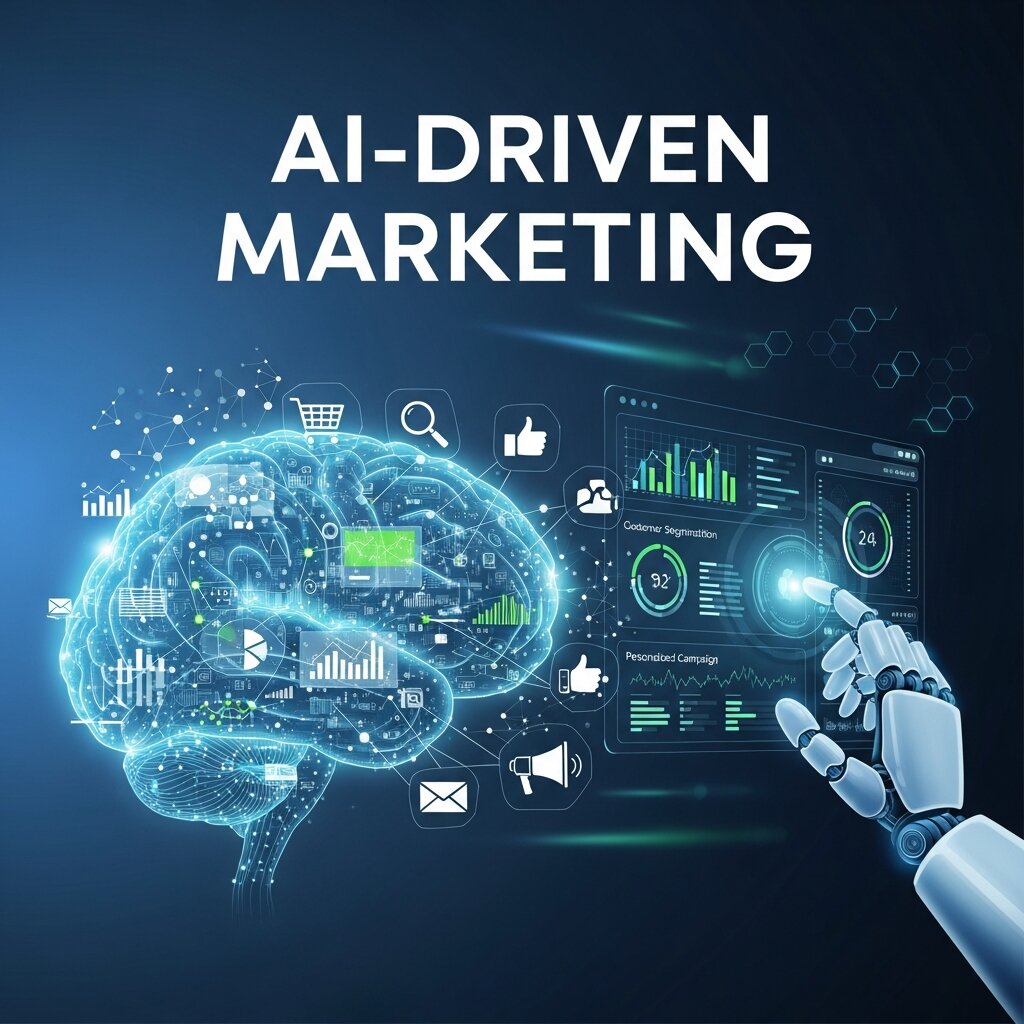
Solutions like Adobe Experience Cloud and Salesforce Einstein combine data management, automation, and AI-driven personalization within a single suite. These platforms offer native integrations, advanced segmentation, and predictive recommendations, helping teams accelerate pilot projects without extensive custom development.
Analytics and Predictive Engines
Tools such as Google Analytics 4 with AI add-ons provide insights into audience behavior and future trends. Predictive metrics like purchase probability and churn risk help marketers allocate budget more effectively and identify high-value prospects.
Custom Machine Learning Frameworks
Enterprises with in-house data science capabilities can build tailored models using open-source libraries like TensorFlow or PyTorch. This approach delivers maximum flexibility, enabling teams to optimize for unique business contexts and fine-tune algorithms for specialized use cases.
Automation and Orchestration
Platforms like HubSpot, Marketo, and Oracle Eloqua facilitate campaign orchestration by automating workflow triggers, email sends, and lead scoring. When augmented with AI-driven decision engines, these tools can dynamically adjust nurture paths and prioritize outreach to top prospects.
Measuring Impact and Overcoming Challenges
Key Performance Indicators
Tracking the right KPIs is critical to demonstrating ROI. Core metrics include conversion rate, customer lifetime value, campaign return on investment, and engagement scores. Predictive accuracy—the degree to which models forecast outcomes—also serves as a barometer for algorithmic performance. By measuring both short-term lift and long-term value, teams can justify continued investment in AI-driven data-driven marketing.
Addressing Data Silos and Integration
Fragmented systems hamper unified customer insights. Break down departmental barriers by centralizing data into a customer data platform or enterprise data warehouse. A single source of truth ensures consistent segmentation and eliminates duplication of effort.
Bridging Skill Gaps
Shortages of AI and data science talent can stall projects. Upskill existing staff through targeted training programs or partner with academic institutions and consulting firms to augment internal resources. Building a center of excellence fosters knowledge sharing and best practices.
Budget Constraints and Pilot Projects
Funding advanced marketing technology often encounters budgetary limits. Start small with focused pilots that address high-priority use cases. Demonstrate quantifiable results—such as increased revenue, reduced churn, or improved efficiency—to secure executive buy-in for broader rollouts.
Navigating Privacy and Compliance
Strict regulations govern the collection and use of personal data. Implement transparent consent workflows and maintain secure data storage. Regular audits and algorithmic fairness checks help detect and mitigate model bias, ensuring that your AI-driven strategies uphold ethical standards.
 As AI technology continues to evolve, its role in marketing will expand far beyond current capabilities. In 2026 and beyond, businesses will increasingly adopt hyper-automation, where entire campaign lifecycles are managed by intelligent systems with minimal human intervention. Voice search optimization, AI-generated content, and real-time sentiment analysis will become standard practices. Additionally, the integration of augmented reality (AR) and virtual reality (VR) with AI will create immersive brand experiences tailored to individual users. Privacy-first AI models will also gain traction, ensuring compliance while still delivering personalization. Companies that stay ahead of these trends will not only improve efficiency but also create deeper, more meaningful connections with their audiences in an increasingly competitive digital environment.
FAQ
1. What is AI-driven data-driven marketing?
AI-driven data-driven marketing is the practice of using customer data combined with artificial intelligence technologies like machine learning and natural language processing to optimize marketing campaigns, personalize user experiences, and improve decision-making in real time.
2. Why is AI important in modern marketing?
AI helps marketers analyze large datasets quickly, uncover hidden patterns, automate repetitive tasks, and deliver personalized content at scale—leading to better engagement and higher ROI.
3. What types of data are used in data-driven marketing?
Marketers typically use first-party data (website activity, CRM data, purchase history), second-party data (partner data), and third-party data (external sources), while ensuring compliance with privacy regulations.
4. How does AI improve personalization?
AI continuously analyzes user behavior and preferences to segment audiences dynamically and deliver tailored content, product recommendations, and messaging across different channels.
5. What are the key benefits of AI-driven marketing?
Major benefits include enhanced personalization, improved efficiency, predictive insights, real-time campaign optimization, and better allocation of marketing budgets.
6. Which tools are commonly used for AI-driven marketing?
Popular tools include platforms like Adobe Experience Cloud, Salesforce Einstein, Google Analytics 4, HubSpot, Marketo, and custom frameworks such as TensorFlow or PyTorch.
7. How can businesses ensure data quality for AI models?
Businesses should clean and validate data, remove duplicates, integrate reliable data sources, and implement governance policies aligned with privacy regulations like GDPR and CCPA.
8. What challenges do companies face when adopting AI in marketing?
Common challenges include data silos, lack of skilled professionals, budget limitations, integration issues, and maintaining compliance with data privacy laws.
9. Which KPIs are important for measuring success?
Key performance indicators include conversion rate, customer lifetime value (CLV), return on ad spend (ROAS), engagement rate, and predictive accuracy.
10. Is AI-driven marketing suitable for small businesses?
Yes, small businesses can start with affordable tools and pilot projects to gradually adopt AI, focusing on high-impact areas like email automation, customer segmentation, and analytics.
Conclusion
Integrating AI-driven data-driven marketing is essential for organizations aiming to stay ahead in today’s competitive environment. By combining high-quality data, intelligent automation, and a disciplined experimentation framework, brands can deliver hyper-personalized experiences, optimize budgets in real time, and forecast emerging trends. This year (2026), forward-thinking teams will differentiate themselves by embracing a collaborative mindset, investing in robust analytics platforms, and prioritizing privacy and compliance. With a strategic roadmap, the right tools, and a culture of continuous learning, businesses can unlock powerful insights and sustain growth in today’s digital landscape. Start your AI-driven data-driven marketing journey today and transform how you engage customers for lasting success.
Read more about this topic: Building Data-Driven Customer Personas with AI Visualization



Leave a Reply