

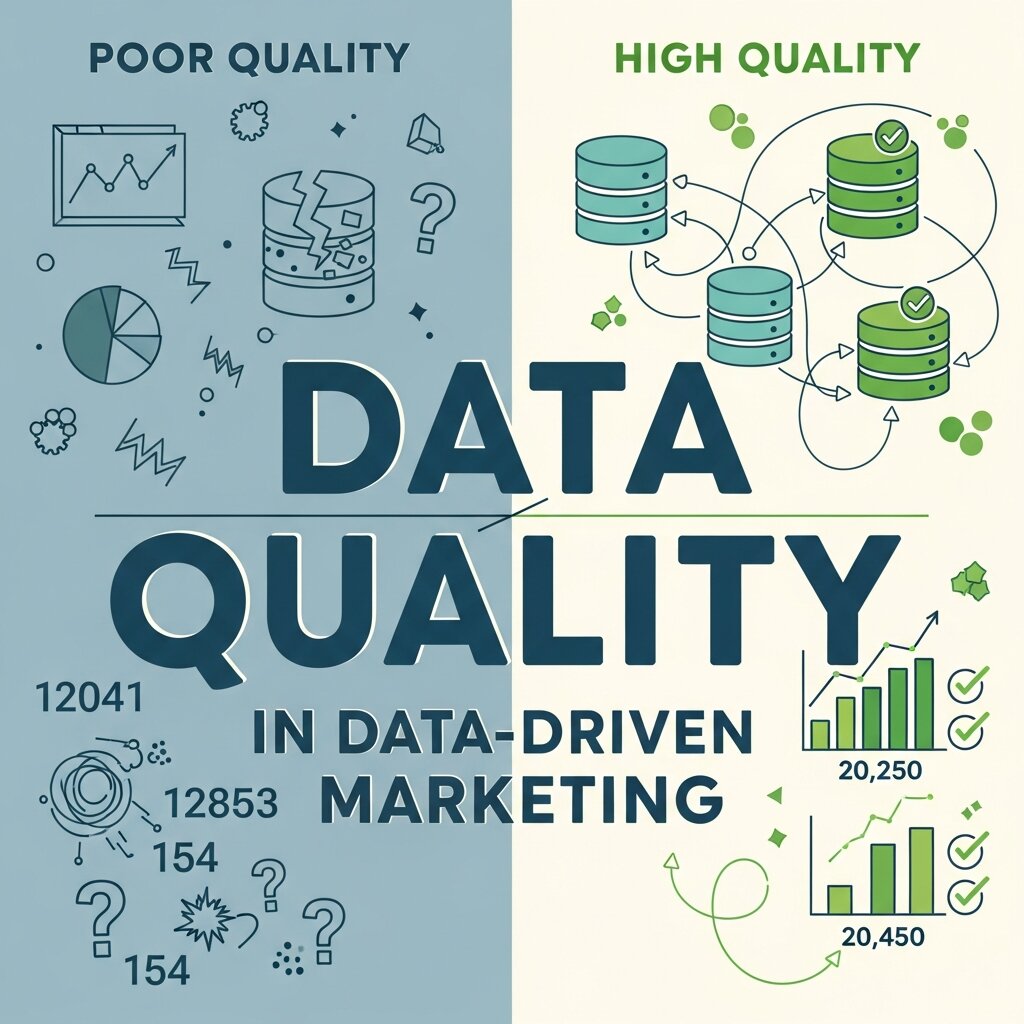
In today’s digital landscape, organizations that harness reliable information gain a competitive edge by delivering precisely targeted campaigns and meaningful customer experiences. While many enterprises accumulate vast amounts of raw numbers, the real differentiator lies in ensuring the accuracy, consistency, and freshness of that material. This year (2026), marketers recognize that without rigorous data quality measures, even the most sophisticated analytics platforms yield flawed insights, wasted budgets, and eroded trust.
Data-driven marketing depends on a foundation of trustworthy records to segment audiences, personalize outreach, and allocate resources optimally. When customer profiles are incomplete or outdated, every subsequent action—from ad spend decisions to email outreach—risks falling short of expectations. As robust regulations such as the GDPR and CCPA continue to evolve, maintaining high data integrity also supports compliance efforts, reducing the potential for costly penalties and reputational harm.
In this article, we dive into why exceptional data quality forms the cornerstone of successful marketing strategies in 2026. We will examine typical challenges that undermine accuracy, uncover proven best practices to elevate data hygiene, highlight leading tools that streamline quality assurance, and outline a programmatic approach to continuous improvement. Along the way, you will discover authoritative resources, including guidelines from the European Commission and practical datasets hosted by the U.S. government, to help reinforce your initiatives.
By the end of this guide, you will be equipped with the insights and action steps needed to transform fragmented records into reliable intelligence, ensuring your campaigns resonate with genuine customer needs and drive measurable results.
Why Data Quality Matters in Marketing
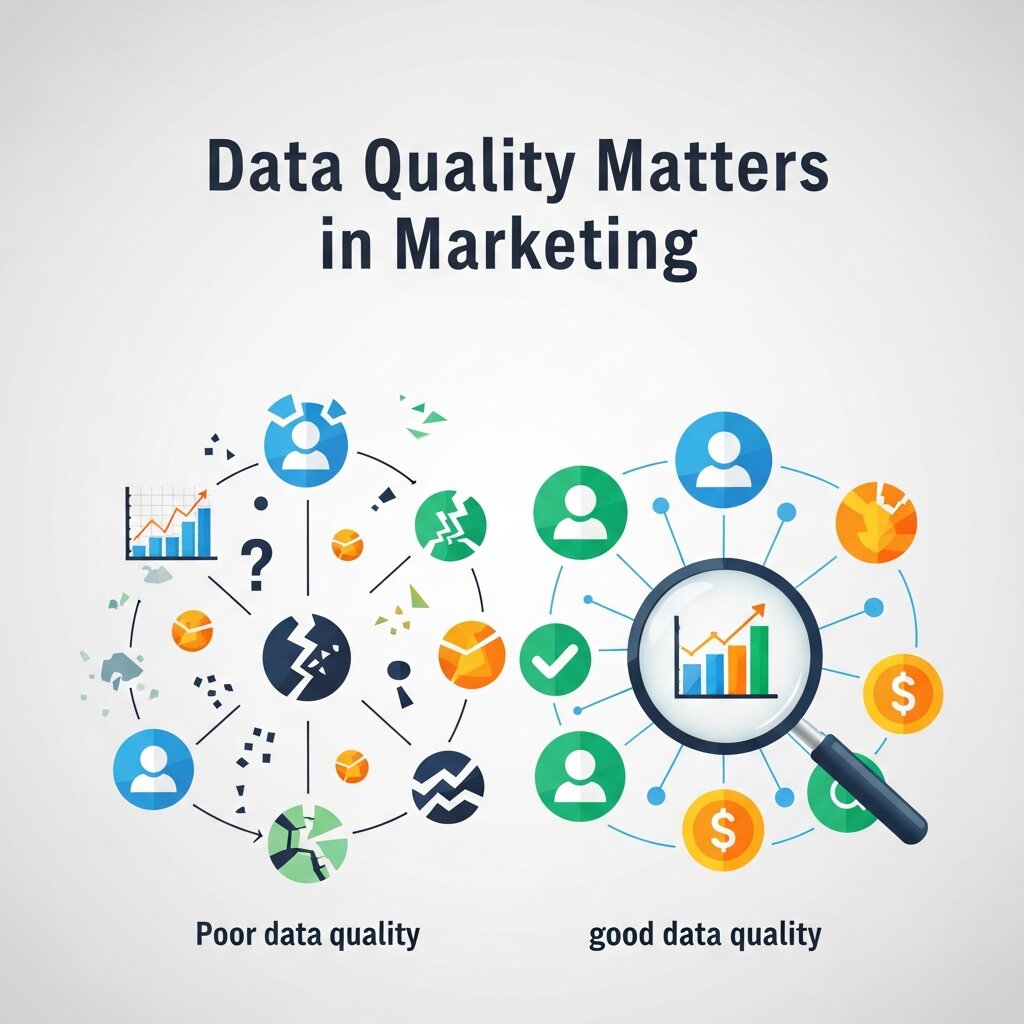 High-caliber information serves as the backbone of modern campaign planning and optimization. When data quality is robust, marketers can confidently segment audiences based on accurate demographics, engage recipients with personalized messages, and invest budgets where they deliver the greatest return. Conversely, compromised or incomplete data undermines every downstream effort, causing wasted ad spend, skewed performance metrics, and lost revenue opportunities.
First, decision-making improves substantially when teams work with clean, validated datasets. Marketing leaders can pinpoint high-value customer segments by analyzing trustworthy purchase histories and behavioral indicators rather than basing directives on erroneous entries. This clarity accelerates strategic planning meetings, ensures buy-in from cross-functional stakeholders, and fosters a culture of evidence-based execution.
Second, nurturing exceptional data quality enhances the customer experience. Accurate contact details and consent flags reduce the risk of sending irrelevant or unwelcome messages. When individuals receive tailored recommendations that reflect up-to-date preferences, engagement rates soar and unsubscribe rates decline. Over time, this attention to precision strengthens brand loyalty as customers perceive communications to be thoughtful and respectful.
Third, operational efficiency benefits from rigorous data hygiene. By identifying and eliminating duplicate records, organizations can shrink bloated databases, cutting storage costs and minimizing the time marketing operations teams devote to manual cleanups. Reduced data clutter also accelerates reporting processes, enabling near real-time dashboards that flag anomalies swiftly.
Finally, many jurisdictions maintain strict regulations governing data governance. Demonstrating compliance with policies outlined by bodies such as the European Commission and the U.S. Federal Trade Commission becomes straightforward when your datasets adhere to clear validation rules. Embracing data quality protocols not only mitigates legal risk but also signals to customers and partners that privacy and accuracy are top priorities.
Key Obstacles to Maintaining Accurate Data
Despite the clear advantages of preserving pristine records, marketing teams often confront several common hurdles that degrade data quality over time. Recognizing these obstacles is the first step toward crafting effective remediation strategies.
1. Duplicate and Fragmented Records
Multiple teams or systems may collect overlapping customer information, resulting in repeated entries that inflate list sizes and distort metrics. For instance, a single user could appear more than once with slight variations in spelling or formatting. These duplicates complicate nurture campaigns, leading to inconsistent outreach and skewed engagement statistics.
2. Incomplete and Missing Fields
When essential attributes—such as email addresses, phone numbers, or location data—are absent, segmentation models break down. Marketing automation platforms cannot target segments accurately, and personalization engines lack the context needed to tailor messaging. As a result, campaigns may underperform simply because the necessary pieces of the puzzle are missing.
3. Inconsistent Formatting Standards
Variations in date conventions, phone number formats, and address abbreviations introduce friction when consolidating data from disparate sources. A ZIP code field might accept both five-digit and nine-digit entries, while a phone number could contain international codes, parentheses, or hyphens. Without normalized formats, merging records and running queries becomes labor-intensive.
4. Staleness and Outdated Information
Customer preferences and contact details change rapidly. An email address that was valid six months ago may now bounce, while a prospect’s job title or industry affiliation could shift, rendering prior segmentation inaccurate. Overlooking regular updates reduces deliverability and diminishes the relevance of your communications.
5. Manual Entry Errors
Human interventions—whether through form submissions, event registrations, or CRM updates—open the door for typos and misclassifications. Misspelled names, incorrect opt-in settings, or erroneous transaction codes introduce noise that skews analytics and complicates qualification criteria.
By pinpointing these recurring pain points, organizations can design targeted solutions to reinforce the integrity of their information assets.
Strategies to Enhance Data Integrity
 Elevating data quality requires a multifaceted approach that combines governance, process optimization, and technology. Below are proven tactics to safeguard your datasets against inaccuracy and decay.
Define a Centralized Data Governance Framework
Begin by establishing clear naming conventions, mandatory fields, accepted value ranges, and formatting rules. Document these standards in a centralized playbook accessible to all teams. A well-defined governance framework outlines roles and responsibilities, ensuring everyone understands how, when, and where to capture or modify information.
Enforce Real-Time Validation at Entry Points
Implement validation checks within web forms, CRM interfaces, and third-party integrations to catch errors immediately. Examples include verifying email syntax, confirming phone number structures against authoritative patterns, and validating postal codes via external APIs. This proactive approach stops flawed inputs at their source, saving time and resources on downstream cleanups.
Leverage Automated Cleansing and Enrichment Tools
Invest in platforms that automatically detect duplicates, normalize formats, and enrich records with missing data. For example, data quality services can append firmographic details to B2B contacts or demographic insights to consumer profiles. These automated workflows streamline maintenance and minimize manual intervention.
Schedule Periodic Audits and Performance Monitoring
Set up recurring audits—monthly or quarterly—to evaluate metrics such as completeness rate, duplication ratio, and error frequency. Use business intelligence dashboards to visualize trends over time and configure alerts to flag sudden spikes in invalid entries. Regular reviews help teams identify emerging issues before they escalate.
Foster a Data-Driven Culture through Training
Hold workshops and training sessions for marketing, sales, and operations personnel. Educate stakeholders on the importance of accurate information, common pitfalls to avoid, and best practices for data entry. Promoting shared accountability ensures that everyone treats data quality as an integral part of their daily workflows.
By integrating these strategies into your marketing operations, you build a resilient infrastructure that preserves data quality and drives sustained performance improvements.
Essential Tools and Platforms for Data Management
Technology plays a pivotal role in automating and scaling data quality initiatives. Here are key categories of solutions to consider when constructing your tech stack.
Data Cleansing and Deduplication Software
Tools like OpenRefine and Talend provide robust features for parsing, standardizing, and merging records. These platforms can automatically detect variations in spelling and formatting, consolidating duplicates into a single, authoritative entry.
Data Enrichment Services
Third-party APIs—such as Clearbit, ZoomInfo, and Experian—append missing segments like firmographics and demographics. By enriching profiles with reliable external datasets, you enhance segmentation accuracy and improve targeting precision.
Master Data Management (MDM) Solutions
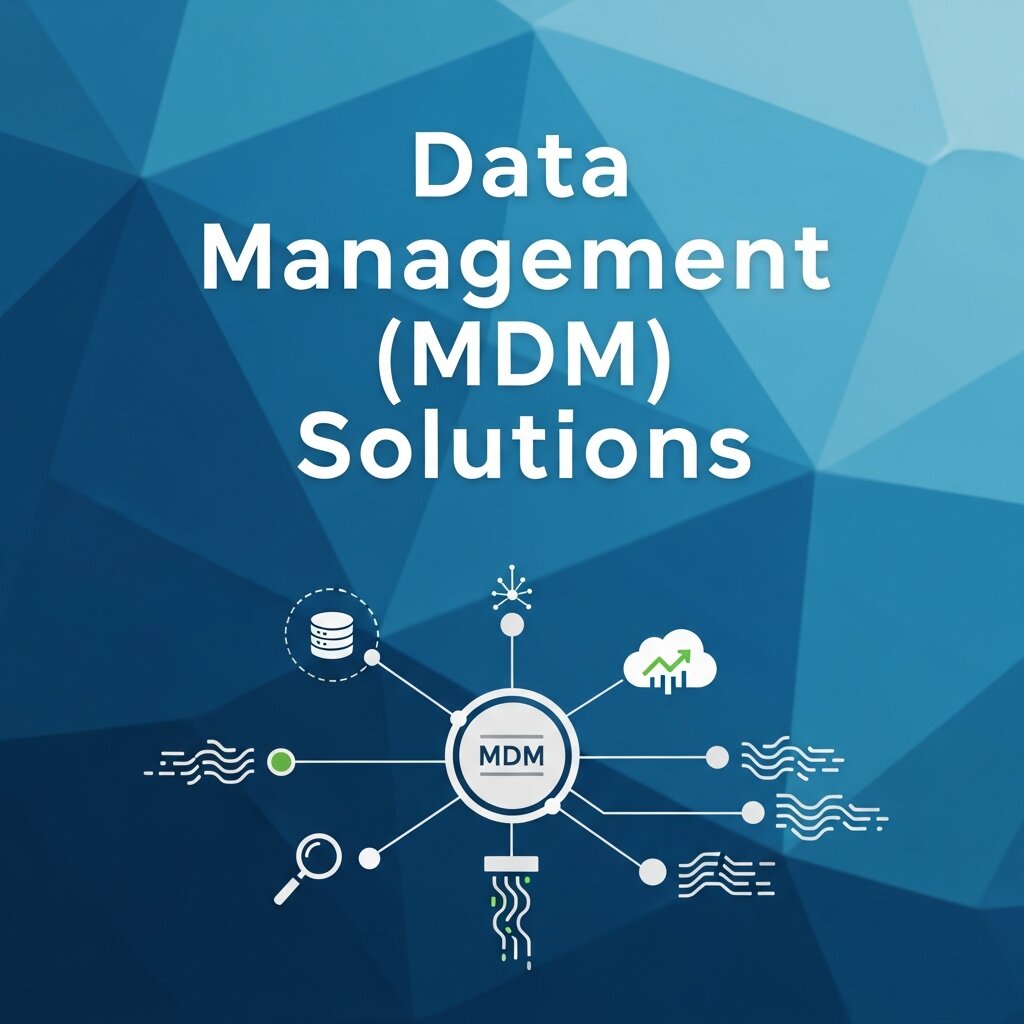 Platforms including Informatica MDM and IBM InfoSphere create a single source of truth by centralizing customer and product information. MDM systems enforce data standards across multiple applications, ensuring consistency from CRM to ERP.
CRM and Customer Data Platform (CDP) Features
Leading CRMs such as Salesforce and HubSpot offer built-in validation rules, deduplication wizards, and schema enforcement. CDPs like Segment enable you to unify user events from web, mobile, and server sources, applying real-time quality checks as data flows in.
BI Dashboards and Monitoring Tools
Visualization platforms such as Tableau, Microsoft Power BI, and Looker allow teams to track health indicators like error rates, record age, and completeness percentages. Automated alerts can notify stakeholders when thresholds are breached, enabling swift remediation.
Integrating these tools into your marketing ecosystem empowers you to automate repetitive tasks, reduce manual errors, and maintain a continuous view of data quality at scale.
Building a Continuous Data Quality Framework
Launching a one-off cleanup is not enough. To sustain superior data quality, implement a structured program that evolves with your organization’s needs. Below is a step-by-step approach to establishing a continuous framework.
1. Perform an Initial Health Assessment
Start with a pilot audit on a representative segment of your database. Quantify existing issues—such as duplicate percentage, missing field rates, and bounce frequency—to benchmark your current state.
2. Define SMART Goals
Set specific, measurable, achievable, relevant, and time-bound objectives. For example: “Reduce duplicate contacts by 75% within 60 days” or “Achieve 98% email validity across new leads by the end of Q2.” Clear targets drive accountability and focus resources effectively.
3. Select and Integrate Technologies
Choose tools that align with your CRM, marketing automation, and analytics stack. Ensure APIs and connectors facilitate bidirectional data flow so that quality improvements propagate across all systems.
4. Roll Out Governance Policies and Training
Distribute your documented standards and conduct hands-on workshops for all relevant teams. Provide easy access to SOPs and maintain an internal knowledge base where users can find guidance on data entry, validation checks, and enrichment processes.
5. Monitor, Report, and Iterate
Establish dashboards to track key performance indicators such as data completeness, duplication rate, and bounce rate. Review these metrics on a weekly or monthly cadence, share progress reports with stakeholders, and refine your processes based on empirical findings.
By embedding these steps into your organizational DNA, you create a living data quality management program that adapts to new challenges and continuously safeguards the integrity of your marketing intelligence.
Frequently Asked Questions
1. What is data quality in marketing?
Data quality in marketing refers to how accurate, complete, consistent, and up-to-date customer information is. High-quality data enables better audience segmentation, personalized campaigns, and more reliable decision-making.
2. Why is data quality important for marketing success?
Without clean and reliable data, marketing campaigns can target the wrong audience, waste budget, and produce misleading performance metrics. Good data quality ensures higher engagement, better ROI, and stronger customer trust.
3. What are the common causes of poor data quality?
Common issues include duplicate records, missing information, inconsistent formatting, outdated data, and human errors during manual data entry. These problems reduce the effectiveness of marketing strategies.
4. How can businesses improve their data quality?
Businesses can improve data quality by implementing validation rules, using automated cleansing tools, standardizing formats, conducting regular audits, and training teams on proper data handling practices.
5. What role does automation play in data quality management?
Automation helps identify duplicates, correct errors, standardize formats, and enrich missing data in real time. It reduces manual effort and ensures consistent data maintenance across systems.
6. How often should data quality audits be performed?
It is recommended to conduct audits monthly or quarterly, depending on the volume of data and business needs. Frequent checks help detect and resolve issues before they impact campaigns.
7. Which tools are commonly used for maintaining data quality?
Popular tools include OpenRefine, Talend, Informatica MDM, IBM InfoSphere, and CRM platforms like Salesforce and HubSpot, along with BI tools such as Tableau and Power BI for monitoring.
8. What is the impact of poor data quality on customer experience?
Poor data quality can lead to irrelevant messages, duplicate communications, and outdated offers, which frustrate customers and reduce brand trust and engagement.
9. How does data quality support compliance with regulations?
Accurate and well-managed data helps organizations comply with regulations like GDPR and CCPA by ensuring proper consent tracking, secure storage, and responsible data usage.
10. Can small businesses manage data quality effectively?
Yes, small businesses can maintain good data quality by using simple tools, setting clear data entry rules, and performing regular cleanups. Starting small and scaling gradually is often the most effective approach.
Conclusion
In today’s hypercompetitive environment, the success of data-driven marketing hinges on the foundation of robust data quality. When records are accurate, comprehensive, and up to date, teams can segment audiences with confidence, deliver personalized experiences, and optimize budgets for maximum return. Conversely, neglecting data hygiene leads to wasted spend, diminished engagement, and elevated compliance risks under regulations such as GDPR and CCPA.
This year (2026), marketers must adopt a holistic approach that combines clear governance frameworks, real-time validation, automated cleansing tools, and ongoing performance monitoring. By establishing SMART goals, integrating best-in-class technologies, and fostering a culture of shared accountability, organizations can ensure that their information assets remain a trusted source of truth. Embrace these principles now, and transform your raw data into the reliable, actionable insights that drive sustainable growth and loyal customer relationships.



Leave a Reply