

Data-driven marketing is transforming financial services by enabling personalized, targeted, and efficient customer engagement. By leveraging customer data, optimizing journeys, and using predictive analytics, financial institutions can boost ROI, improve retention, and build stronger client relationships.
Marketing in the financial services sector has always been a high-stakes game. Trust is the currency, and a one-size-fits-all approach no longer cuts it with today’s discerning customers. Consumers expect personalized interactions, relevant advice, and seamless experiences, whether they’re opening a savings account, applying for a mortgage, or planning for retirement. Meeting these expectations while navigating strict regulations and fierce competition requires a smarter, more precise strategy. This is where data-driven marketing comes in.
By harnessing the power of data, financial institutions can move beyond generic campaigns and connect with clients on a much deeper level. This approach allows for the creation of tailored messaging, optimized customer journeys, and ultimately, a stronger return on investment (ROI). It’s about making every marketing dollar count by ensuring the right message reaches the right person at the right time.
This guide will explore how financial services firms can leverage data-driven marketing to not only improve their ROI but also build lasting customer relationships. We will cover the foundational strategies, practical applications across different financial sectors, and the tools needed to implement a successful data-centric approach. For any financial marketer looking to gain a competitive edge, understanding and applying these principles is no longer optional—it’s essential for survival and growth.
The Foundation of Data-Driven Marketing in Finance

Before launching into complex strategies, it’s crucial to understand what data-driven marketing truly means for financial services. It’s the practice of using customer data—gathered from various touchpoints—to gain deep insights into their behaviors, preferences, and needs. These insights then inform every aspect of your marketing strategy, from initial contact to long-term relationship management.
The goal is to create a marketing engine that is both predictive and responsive. Instead of guessing what customers want, you can use data to anticipate their needs and proactively offer solutions. This shift from reactive to proactive marketing is what truly drives ROI and sets industry leaders apart.
Key Data Sources for Financial Marketers
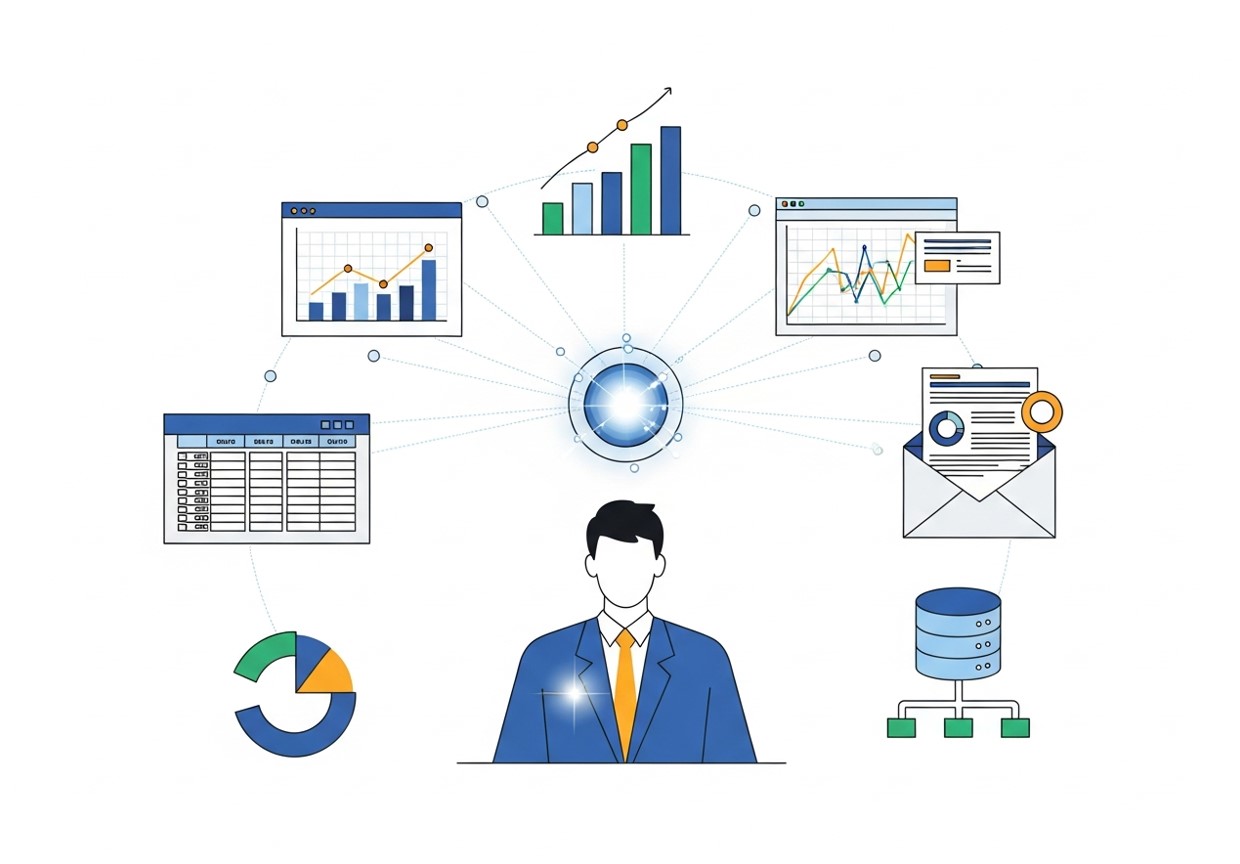
Financial institutions have access to a wealth of data. The key is to consolidate and analyze it effectively. Common data sources include:
- Transactional Data: Purchase histories, account balances, loan payments, and investment activities provide a clear picture of a customer’s financial behavior.
- Behavioral Data: Website clicks, mobile app usage, email engagement, and social media interactions reveal how customers engage with your brand across different channels.
- Demographic Data: Age, income, location, and family status help create detailed customer segments for more targeted campaigns.
- Third-Party Data: Information from data brokers can supplement your existing data, offering broader market insights and helping you identify new potential customers.
By integrating these diverse data sets, you can build a comprehensive, 360-degree view of each customer, which is the cornerstone of any successful data-driven marketing approach.
Practical Applications for Enhanced ROI

With a solid data foundation in place, financial services companies can implement targeted strategies across their operations. These applications not only improve the customer experience but also have a direct and measurable impact on the bottom line.
Hyper-Personalization of Products and Services
Generic product offerings are a thing of the past. Today’s consumers expect financial products that are tailored to their specific life stage and financial situation. Personalized data-driven marketing makes this level of personalization possible.
For example, a bank can analyze a customer’s spending habits and notice they frequently travel abroad. Instead of offering a generic credit card, the bank can proactively market a card with no foreign transaction fees and travel rewards. Similarly, a wealth management firm can identify clients nearing retirement age and offer personalized retirement planning services and investment portfolios.
How it boosts ROI:
Personalized offers have significantly higher conversion rates. By presenting customers with solutions that directly address their needs, you increase the likelihood of uptake and reduce marketing waste on irrelevant promotions. This leads to a higher lifetime value for each customer.
Optimizing the Customer Journey
The path a customer takes from initial awareness to becoming a loyal client is often complex, involving multiple touchpoints across various channels. Data analytics allows you to map out and optimize this journey.
By tracking customer interactions—from their first visit to your website to their conversations with a financial advisor—you can identify points of friction and opportunities for improvement. For instance, if data shows that many users abandon a mortgage application at a specific step, you can investigate and simplify that part of the process. You might find that a required document is difficult to upload or that the language used is confusing.
How it boosts ROI:
A smoother customer journey leads to higher conversion rates and reduced customer acquisition costs. By removing obstacles, you make it easier for potential clients to do business with you, preventing them from turning to a competitor out of frustration.
Predictive Analytics for Proactive Engagement
One of the most powerful applications of data in finance is predictive analytics. By analyzing historical data, machine learning models can predict future customer behavior with a high degree of accuracy. This allows you to be proactive rather than reactive.
For instance, predictive models can identify customers who are at risk of churning (leaving for a competitor). The model might flag customers who have reduced their account activity, stopped using the mobile app, or have had recent negative interactions with customer service. Armed with this information, your marketing team can launch a targeted retention campaign, offering these customers special incentives or personalized support to encourage them to stay.
How it boosts ROI:
It is almost always cheaper to retain an existing customer than to acquire a new one. Predictive analytics helps you focus your retention efforts where they are needed most, significantly reducing churn and protecting your revenue streams. For more insights, see how companies use data-driven marketing.
Smarter Ad Spending and Channel Optimization
Not all marketing channels deliver the same results. Data-driven marketing helps you understand which channels are most effective for reaching your target audience and allocate your budget accordingly.
By tracking the performance of your campaigns across different platforms—such as email, social media, search engine marketing, and direct mail—you can determine the ROI for each channel. You might discover that LinkedIn is highly effective for reaching high-net-worth individuals for your wealth management services, while Facebook is better for promoting a new student savings account. Maintaining accurate data using CRM automation solutions ensures your advertising dollars target the right audience segments.
How it boosts ROI:
By reallocating your budget from low-performing channels to high-performing ones, you maximize the impact of every marketing dollar spent. This data-backed approach to media buying ensures your message is seen by the right people on the platforms they use most, leading to better engagement and higher conversion rates.
Building Your Data-Driven Marketing Stack

Implementing these strategies requires the right technology. A well-constructed marketing technology (martech) stack is essential for collecting, analyzing, and acting on customer data. While the specific tools will vary depending on the size and needs of your organization, a typical stack for a financial services firm includes:
- Customer Data Platform (CDP): A CDP consolidates customer data from various sources into a single, unified profile. This is the central hub of your data-driven marketing efforts.
- Analytics and Business Intelligence (BI) Tools: These tools, like Tableau or Google Analytics, help you visualize data, identify trends, and generate actionable insights.
- Marketing Automation Platform: Platforms such as HubSpot or Marketo allow you to automate personalized marketing campaigns across multiple channels, including email and social media.
- Customer Relationship Management (CRM) System: A CRM like Salesforce is crucial for managing customer interactions and tracking their journey from lead to loyal client.
The key is to ensure these tools are integrated, allowing for a seamless flow of data across your entire organization.
Navigating the Challenges
While the benefits are clear, implementing a data-driven marketing strategy in the financial services industry is not without its challenges. Strict data privacy regulations, such as GDPR and CCPA, require careful handling of customer information. Data security is also paramount, as financial institutions are a prime target for cyberattacks.
To overcome these challenges, it’s essential to build a culture of data stewardship within your organization. This means investing in robust security measures, ensuring regulatory compliance, and being transparent with customers about how their data is being used. Building trust is crucial—customers are more likely to share their data if they believe it will be used to provide them with better, more relevant services.
Your Next Move
The shift toward data-driven marketing is reshaping the financial services landscape. Institutions that embrace this change will be better equipped to meet evolving customer expectations, navigate a competitive market, and achieve sustainable growth. By leveraging data to deliver personalized, relevant, and timely experiences, you can build stronger relationships with your clients and significantly improve your marketing ROI.
The journey to becoming a fully data-driven organization may seem daunting, but it starts with a single step. Begin by assessing your current data capabilities, identifying a clear business objective, and investing in the right tools and talent. The future of financial marketing is here, and it’s powered by data.
Frequently Asked Questions (FAQ)
Isn’t data-driven marketing too complex for smaller financial firms?
Not at all. While large banks may have massive data science teams, smaller firms can start with more accessible tools. Many marketing automation platforms and CRMs have built-in analytics features that are easy to use. The key is to start small, focus on a specific goal (like improving email engagement), and gradually expand your efforts as you become more comfortable with the data.
How do we ensure we are using customer data ethically?
Ethical data use is built on transparency and consent. Be clear with customers about what data you are collecting and how you plan to use it. Provide them with easy-to-understand privacy policies and give them control over their data preferences. Always prioritize the customer’s best interests and avoid practices that could be perceived as invasive.
What is the first step to becoming a data-driven marketing organization?
The first step is to break down data silos. Often, customer data is scattered across different departments (marketing, sales, customer service) and stored in separate systems. The initial goal should be to create a centralized view of the customer by integrating these disparate data sources, often through a Customer Data Platform (CDP).
How do we measure the ROI of data-driven marketing?
Measuring ROI involves tracking key performance indicators (KPIs) tied to your marketing objectives. These can include conversion rates, customer acquisition cost (CAC), customer lifetime value (CLV), and churn rate. By comparing these metrics before and after implementing a data-driven strategy, you can clearly demonstrate its financial impact.
What tools are commonly used in data-driven marketing?
A: Common tools include customer relationship management (CRM) systems, data analytics platforms, marketing automation tools, and artificial intelligence (AI)-powered solutions. These tools help collect, analyze, and act on customer data to create personalized and impactful marketing efforts.
Is data-driven marketing compliant with privacy regulations?
Yes, when done correctly. Financial services must adhere to privacy regulations like GDPR or CCPA by ensuring customer data is collected, stored, and used transparently and securely. It’s important to obtain consent, anonymize data when needed, and have a clear data governance policy in place.
What is data-driven marketing in financial services?
Data-driven marketing involves leveraging customer data to create personalized and targeted marketing strategies. For financial services, this means analyzing customer behaviors, preferences, and financial needs to deliver more relevant and effective campaigns that drive engagement and ROI.
How can data-driven marketing improve ROI?
By using insights derived from data, financial services can optimize their marketing strategies to focus on the most effective channels, messaging, and timing. This reduces wasted resources and ensures campaigns resonate better with the target audience, ultimately improving return on investment.



Leave a Reply