

Data-driven omnichannel marketing uses customer data and analytics to deliver seamless, personalized experiences across all channels, boosting engagement, loyalty, and conversions while ensuring privacy and consistency.
In today’s hyper-connected marketplace, consumers switch seamlessly between online and offline channels when engaging with brands. This behavior has propelled the rise of data-driven omnichannel marketing, an approach that leverages data and analytics to deliver consistent, personalized experiences across multiple touchpoints. By integrating customer data from social media, email, websites, in-store interactions, mobile apps, and more, marketers can build a unified view of the customer journey. Harnessing this 360-degree perspective is crucial for increasing engagement, driving conversions, and maximizing ROI. In this comprehensive guide, we explore the principles, strategies, and technologies that underpin successful data-driven omnichannel marketing programs. We’ll also outline best practices, common challenges, and measurement techniques to help your organization craft cohesive, data-backed campaigns that resonate with today’s demanding consumers.
What Is Data-Driven Omnichannel Marketing?
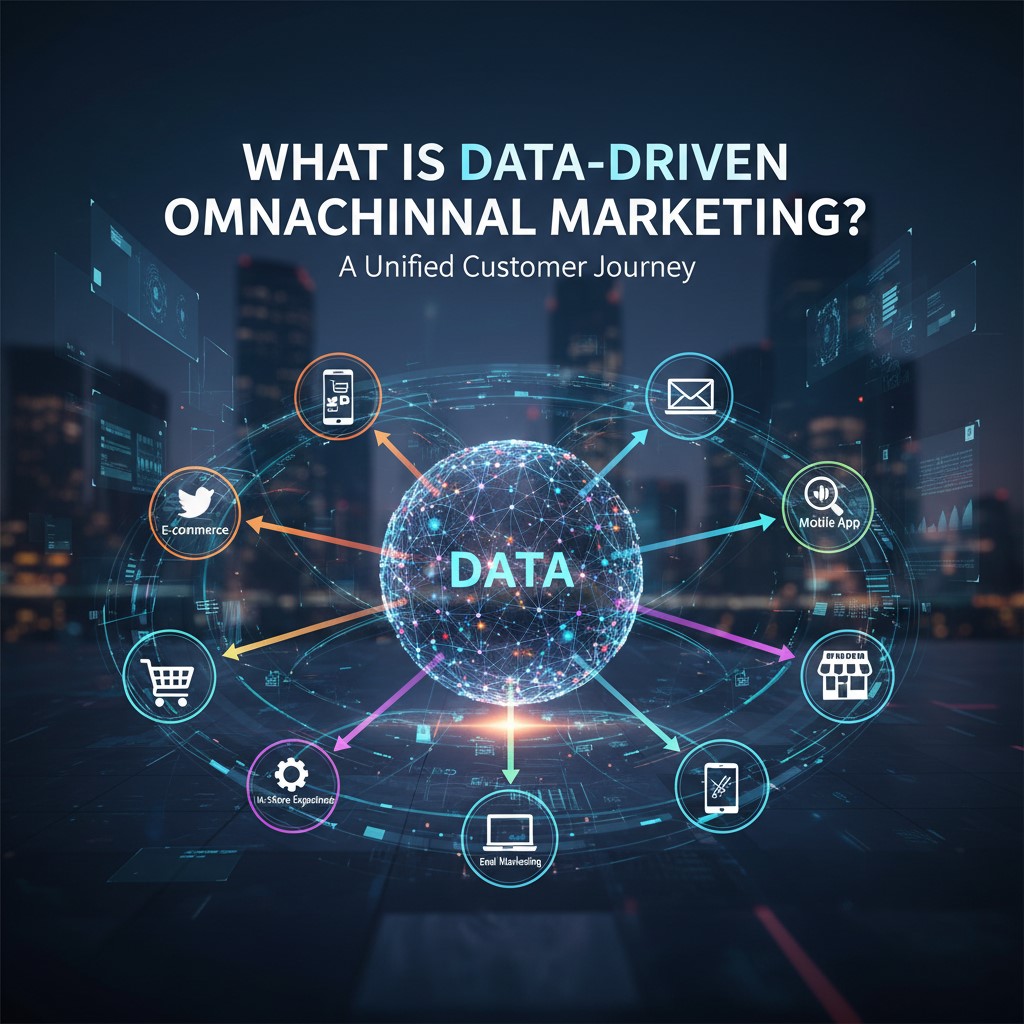
Data-driven omnichannel marketing refers to the strategic use of customer data and analytics to orchestrate coordinated marketing efforts across multiple channels, both digital and physical. Unlike multi-channel marketing, which often treats each channel in isolation, omnichannel marketing focuses on creating a seamless experience that adapts in real time to a customer’s preferences, behaviors, and context. Key to this approach is the collection, integration, and analysis of data from diverse sources—such as CRM systems, website analytics, point-of-sale terminals, and social media platforms—to power personalized messaging, product recommendations, and promotional offers. By unifying fragmented data, marketers can anticipate customer needs, optimize touchpoints, and foster long-term loyalty.
Key Benefits of an Omnichannel Strategy
Adopting a data-driven omnichannel framework offers several competitive advantages. First, it enhances customer satisfaction by delivering tailored experiences at the right moment, boosting conversion rates and average order value. Second, it improves brand consistency, reinforcing messaging and design across channels so customers perceive a cohesive identity. Third, omnichannel analytics provide deeper insights into customer preferences, enabling predictive modeling and more accurate audience segmentation. Finally, by reducing data silos and streamlining workflows, teams can achieve operational efficiencies, lower cost per acquisition, and elevate overall marketing performance.
Collecting and Integrating Customer Data
The foundation of any omnichannel initiative is high-quality data. Marketers must establish robust processes for capturing first-party data—from website behaviors, in-app events, email interactions, and point-of-sale transactions—while also supplementing with second- and third-party data where appropriate. Data integration platforms, such as customer data platforms (CDPs) and data management platforms (DMPs), play a pivotal role in unifying disparate datasets into a single customer profile. Ensure data governance and privacy compliance by implementing transparent data policies and adhering to regulations like GDPR and CCPA. Clean, structured, and consent-driven data is essential for fueling reliable insights and personalized experiences. For practical guidance, check out our guide to customer data-driven marketing.
Analyzing Data and Deriving Insights
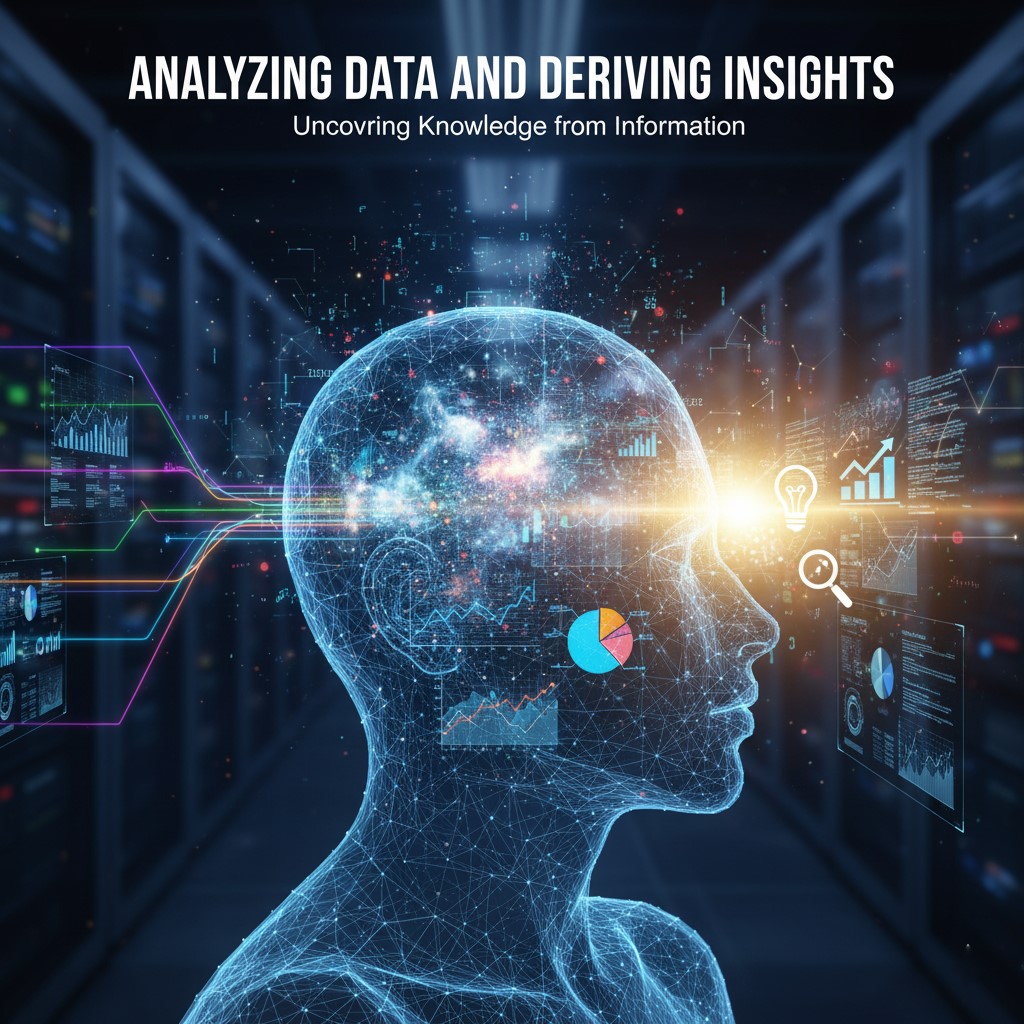
Once integrated, customer data can be transformed into actionable insights through advanced analytics and machine learning. Descriptive analytics help identify patterns and trends in customer behavior, while predictive analytics forecast future actions, such as likelihood to purchase or churn risk. Sentiment analysis on social media and customer feedback can reveal brand perceptions and emerging pain points. By layering analytics on top of omnichannel data, marketers can segment audiences with laser precision, optimize media spend, and automate decisioning workflows. Regularly revisit your analytics models to refine accuracy and incorporate new data sources. Learn more about top data analysis techniques to extract actionable insights.
Personalization at Scale
Personalization is the cornerstone of data-driven omnichannel marketing. With a unified customer view and predictive insights, brands can tailor content, product recommendations, pricing, and promotions for individual users in real time. Personalized email campaigns, dynamic web pages, and in-store digital displays can adapt messaging based on a customer’s browsing history, purchase intent, or loyalty tier. To scale personalization, consider implementing marketing automation platforms equipped with AI-driven recommendation engines. Learn more about personalized data-driven marketing to maximize engagement.
Essential Tools and Technologies
Building an omnichannel infrastructure requires a suite of integrated tools. Customer data platforms (CDPs) aggregate and unify data; marketing automation systems enable workflow orchestration and personalization; analytics platforms power dashboards and machine learning models; and customer relationship management (CRM) systems manage interactions and sales pipelines. Additionally, tag management systems, email service providers, and mobile engagement platforms ensure seamless channel execution. When selecting vendors, prioritize open APIs and pre-built integrations to streamline implementation. A modular, scalable stack allows you to adapt rapidly as your data landscape evolves.
Best Practices for Omnichannel Campaigns
To maximize the impact of your data-driven omnichannel initiatives, follow these best practices:
- Define clear objectives: Align campaigns with business goals, such as revenue growth, customer retention, or brand awareness.
- Create unified customer journeys: Map all touchpoints and identify key moments of truth where data-driven interventions can drive action.
- Maintain data quality: Regularly audit and cleanse data to prevent inaccuracies and duplication.
- Leverage automation judiciously: Automate routine tasks but preserve human oversight for strategy and creative direction.
- Test and iterate: Employ A/B testing and multivariate experiments to optimize messages, offers, and channel combinations.
Overcoming Common Challenges
While the benefits of omnichannel marketing are clear, organizations often encounter obstacles such as data silos, technology fragmentation, and skill shortages. Bridging data silos requires executive buy-in and cross-functional collaboration between marketing, IT, and data teams. Address technology fragmentation by auditing your martech stack and phasing out redundant or underutilized tools. Build internal expertise in analytics, data engineering, and personalization strategies through targeted training and by partnering with experienced vendors or consultants. Finally, establish governance frameworks to manage data privacy, security, and ethical considerations.
Measuring ROI and Continuous Improvement
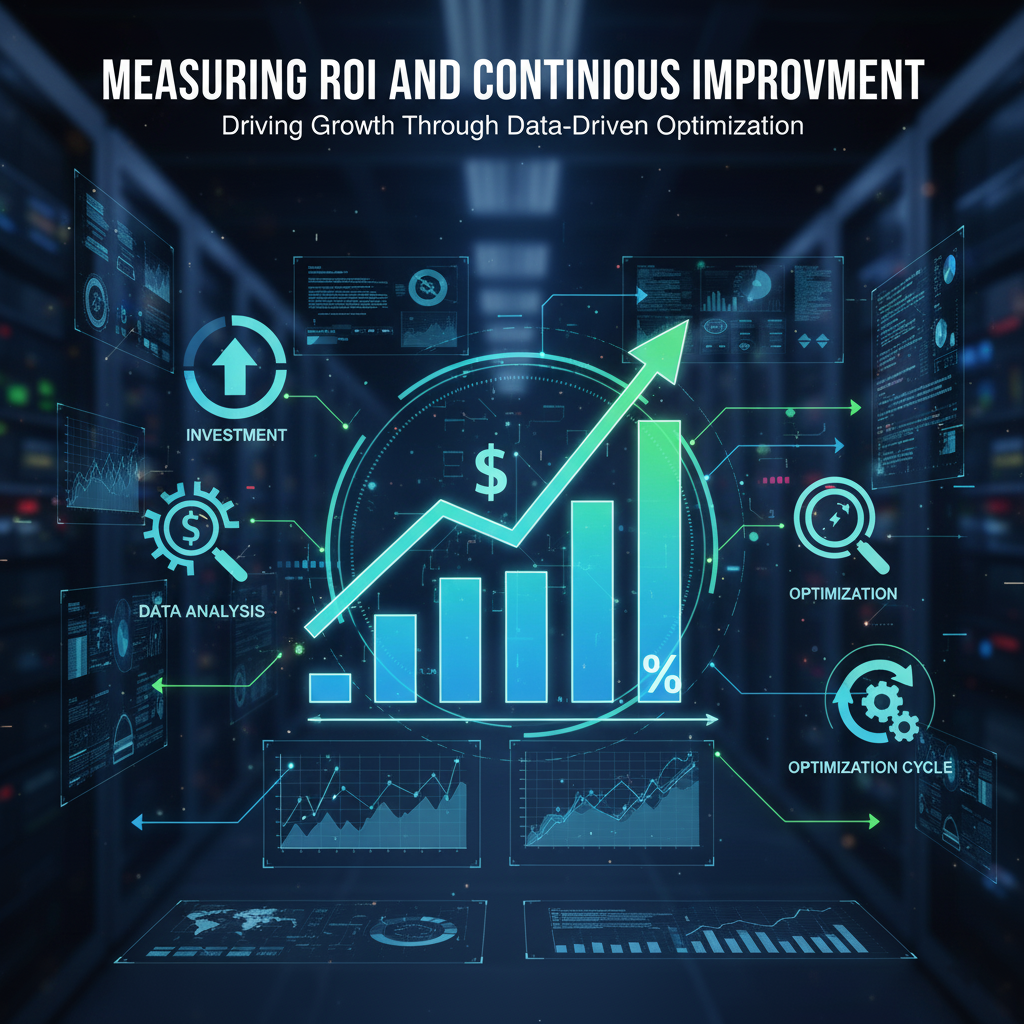
Robust measurement is critical for validating the effectiveness of your omnichannel programs. Define key performance indicators (KPIs) such as customer lifetime value (CLV), average order value (AOV), net promoter score (NPS), and channel attribution metrics. Implement multi-touch attribution models to accurately allocate credit across touchpoints. Use dashboards to track performance in real time and generate insights for ongoing optimization. Foster a culture of continuous improvement by regularly reviewing campaign results, revisiting your data strategy, and refining models based on new findings and market dynamics.
Track KPIs such as customer lifetime value (CLV), average order value (AOV), net promoter score (NPS), and channel attribution metrics. Use multi-touch attribution models to measure true campaign effectiveness and optimize continuously. Check out the advantages of using data-driven marketing for more ways to improve ROI.
Future Trends in Data-Driven Omnichannel Marketing
Looking ahead, emerging technologies like conversational AI, augmented reality (AR), and the Internet of Things (IoT) will further enrich omnichannel experiences. Voice assistants can facilitate hands-free shopping, while AR-driven product visualization enhances in-store and online engagement. Real-time data streaming from connected devices will enable hyper-contextual offers based on location, weather, or proximity to physical stores. Additionally, advances in privacy-enhancing computation techniques, such as federated learning and differential privacy, will allow brands to deliver personalized experiences while preserving user trust and complying with evolving regulations.
Conversational AI, AR, IoT, and real-time data streaming will enhance omnichannel experiences, enabling hyper-contextual offers and interactive engagement. Advances in privacy-enhancing techniques will allow brands to personalize responsibly while maintaining consumer trust. For a deeper understanding of ethical considerations, see data-driven marketing ethics and trust.
Building a Unified Customer Identity
One of the most critical components of a successful data-driven omnichannel strategy is establishing a unified customer identity across all touchpoints. Fragmented identifiers—such as multiple email addresses, device IDs, loyalty accounts, or cookies—often prevent brands from recognizing the same customer across different platforms. Identity resolution technologies help merge these disparate identifiers into a single, persistent customer profile. Deterministic matching relies on exact identifiers like email or phone number, while probabilistic matching uses behavioral and contextual signals to infer identity. A robust identity graph allows marketers to maintain continuity in messaging, avoid redundant communications, and tailor experiences with greater accuracy. As privacy regulations evolve, identity resolution must balance personalization with compliance, ensuring transparent consent management and secure handling of personal data.
Cross-Channel Journey Orchestration
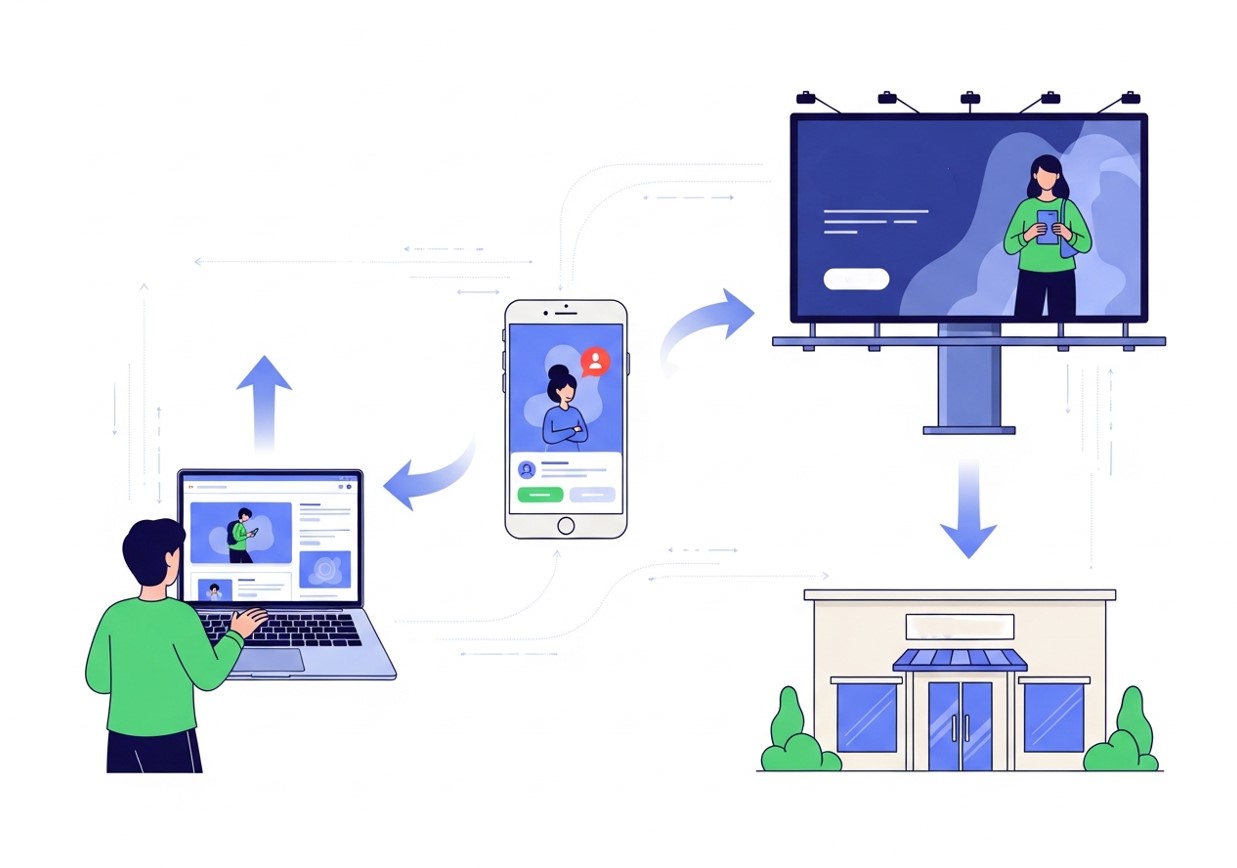
While collecting and analyzing data is essential, the true power of omnichannel marketing lies in orchestrating cohesive journeys that guide customers through meaningful experiences. Journey orchestration platforms enable marketers to design real-time, rule-based flows that adjust dynamically based on user behavior. A customer browsing high-value products on a website might trigger personalized emails, retargeting ads, or an in-app message with contextual recommendations. Similarly, a customer who visits a physical store can receive follow-up promotions based on their interactions with in-store sensors or point-of-sale systems. Cross-channel orchestration ensures interactions feel natural rather than intrusive, reducing friction and nurturing customers at every stage of the funnel. Over time, these orchestrated journeys help brands build deeper relationships and increase lifetime value by consistently meeting customer needs at the right moments.
Leveraging Behavioral Science in Omnichannel Experiences
Beyond data and technology, understanding human psychology is vital for crafting omnichannel strategies that genuinely resonate. Behavioral science principles—such as social proof, reciprocity, loss aversion, and cognitive ease—can help shape more persuasive communication across channels. For example, highlighting trending products within an app or showcasing user-generated content on social media can strengthen trust and drive conversions. Personalized nudges, such as reminders about abandoned carts or loyalty points about to expire, tap into psychological triggers that motivate action. When paired with real-time customer data, these behavioral insights help create experiences that feel both intuitive and emotionally compelling. By designing omnichannel journeys around how customers think and behave, brands can influence decision-making in subtle but powerful ways.
The Role of AI and Automation in Scaling Omnichannel Efforts
As customer data expands and digital interactions multiply, manual campaign management becomes unsustainable. AI-driven automation plays a transformative role in scaling omnichannel programs without sacrificing personalization. Machine learning models can predict next-best actions, recommend products, segment audiences, and identify optimal send times with remarkable precision. Natural language processing enables automated yet human-like customer service through chatbots and voice assistants. Meanwhile, automated media buying platforms allocate budgets in real time based on channel performance. These AI-powered capabilities free marketing teams from repetitive tasks, allowing them to focus on strategy and creative development. However, maintaining human oversight is essential to ensure ethical use of data, minimize bias in algorithms, and preserve brand authenticity.
Creating a Privacy-First Omnichannel Strategy
Consumer awareness around data privacy has never been higher, and brands must take a privacy-first approach to earn and maintain trust. Transparent communication about why data is being collected, how it is used, and what benefits customers receive is fundamental to responsible data-driven marketing. Tools like preference centers allow customers to manage communication settings and opt into personalized experiences on their own terms. Additionally, privacy-enhancing technologies—such as data anonymization, consent management platforms, and secure data collaboration frameworks—help protect sensitive information while enabling advanced analytics. Building a privacy-first strategy not only ensures compliance with regulations like GDPR and CCPA but also fosters stronger customer relationships by demonstrating respect for user autonomy and data rights.
Case Study Framework for Omnichannel Success (Add This as a Template Section)
To make the guide practical, consider including a case study framework that readers can replicate within their organization. A compelling case study should outline the initial challenge, the data sources used, the integration process, the personalization strategies implemented, and the measurable outcomes. For example, a retail brand might describe how integrating e-commerce behavior with in-store purchase history enabled it to create targeted promotions that increased repeat purchases. A financial services company could highlight how customer segmentation and automated workflows improved lead nurturing and reduced acquisition costs. By providing a clear structure for storytelling, this section helps readers understand how omnichannel principles translate into real-world impact.
Conclusion
Data-driven omnichannel marketing offers a powerful framework for delivering cohesive, personalized experiences that meet modern customer expectations. By integrating and analyzing data from diverse touchpoints, leveraging advanced analytics, and adopting the right tools, marketers can optimize customer journeys, boost engagement, and drive sustainable growth. While challenges such as data silos and skill gaps may arise, a disciplined approach grounded in best practices and continuous measurement will pave the way for success. Embrace the principles outlined in this guide to transform your marketing operations into a truly omnichannel powerhouse.
Frequently Asked Questions (FAQ)
What is the difference between omnichannel and multichannel marketing?
Multichannel marketing focuses on presence across multiple platforms, but these channels typically operate independently. Omnichannel marketing, on the other hand, connects these channels seamlessly, allowing customer data to flow between them. This ensures consistent messaging and personalized experiences regardless of where the customer interacts with the brand.
Do small businesses need omnichannel marketing, or is it only for large enterprises?
Omnichannel is valuable for businesses of all sizes. While enterprises may deploy advanced CDPs and automation tools, small businesses can still benefit by integrating their CRM, email marketing system, website analytics, and social platforms. Even simple alignment across these tools can significantly improve customer experience and conversion rates.
What types of data are most important for powering omnichannel campaigns?
First-party data—such as purchase history, browsing behavior, email engagement, and loyalty program activity—is the core of omnichannel marketing. Supplementing with second- and third-party data can enhance targeting, but the emphasis should always be on collecting clean, consented first-party data due to evolving privacy regulations.
How long does it take to implement a full omnichannel strategy?
Timelines vary based on organizational readiness, data maturity, and technology stack complexity. Some brands build the foundation in a few months, while others require longer due to data silos or legacy systems. Starting with a phased approach—integrating key channels first—allows organizations to demonstrate value early while scaling over time.
How do I measure the ROI of omnichannel marketing?
Measuring ROI involves tracking metrics like customer lifetime value (CLV), conversion rate uplift, retention rate, and average order value. Multi-touch attribution models help evaluate how different channels contribute to a conversion. Dashboards that consolidate performance data across channels enable continuous optimization and clearer visibility into outcomes.
What if my data is incomplete or inconsistent—can I still do omnichannel marketing?
Yes. Many companies begin with imperfect data. Start by identifying the most valuable data sources and cleaning the highest-impact datasets. Implementing identity resolution and data governance practices over time will gradually improve accuracy. Imperfect data shouldn’t delay adopting omnichannel principles.
Are AI tools safe to use for personalization?
AI tools are safe when implemented responsibly. Ensure the technology complies with privacy regulations, uses anonymized data where possible, and undergoes regular audits to minimize bias. Combine automated decisioning with human oversight to maintain brand integrity and ethical use of data.
What industries benefit most from omnichannel marketing?
Industries with complex customer journeys—such as retail, finance, travel, telecommunications, healthcare, and e-commerce—see significant benefits. However, any organization seeking stronger customer relationships and improved personalization can benefit from omnichannel strategies.



Leave a Reply