

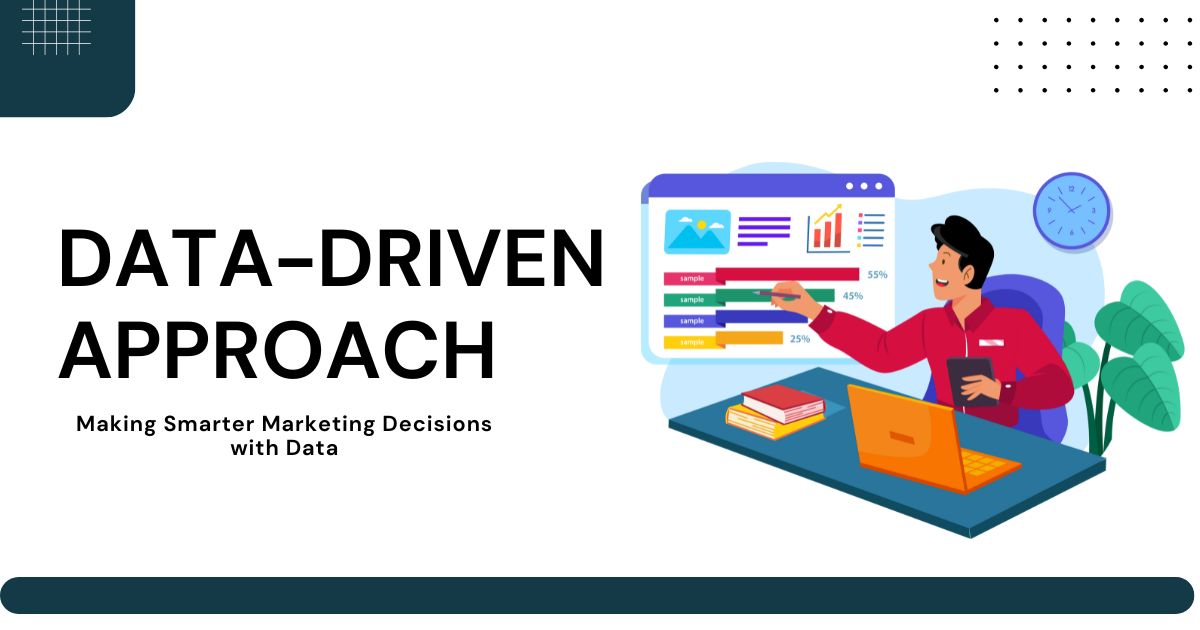
Data turns content marketing from guesswork into strategy. Analyzing audience behavior and performance helps create targeted, effective content and continuously improve results.
Content marketing without data is like driving blindfolded. You might eventually reach your destination, but you’ll take wrong turns, waste fuel, and possibly crash along the way.
Smart marketers have moved beyond gut feelings and creative hunches. They’re using data to guide every decision—from topic selection to distribution channels. This shift isn’t just trendy; it’s necessary for survival in an increasingly competitive digital landscape.
This post explores how data transforms content marketing from guesswork into a precision instrument for growth. You’ll discover practical ways to incorporate data into your strategy without drowning in spreadsheets or losing your creative spark.
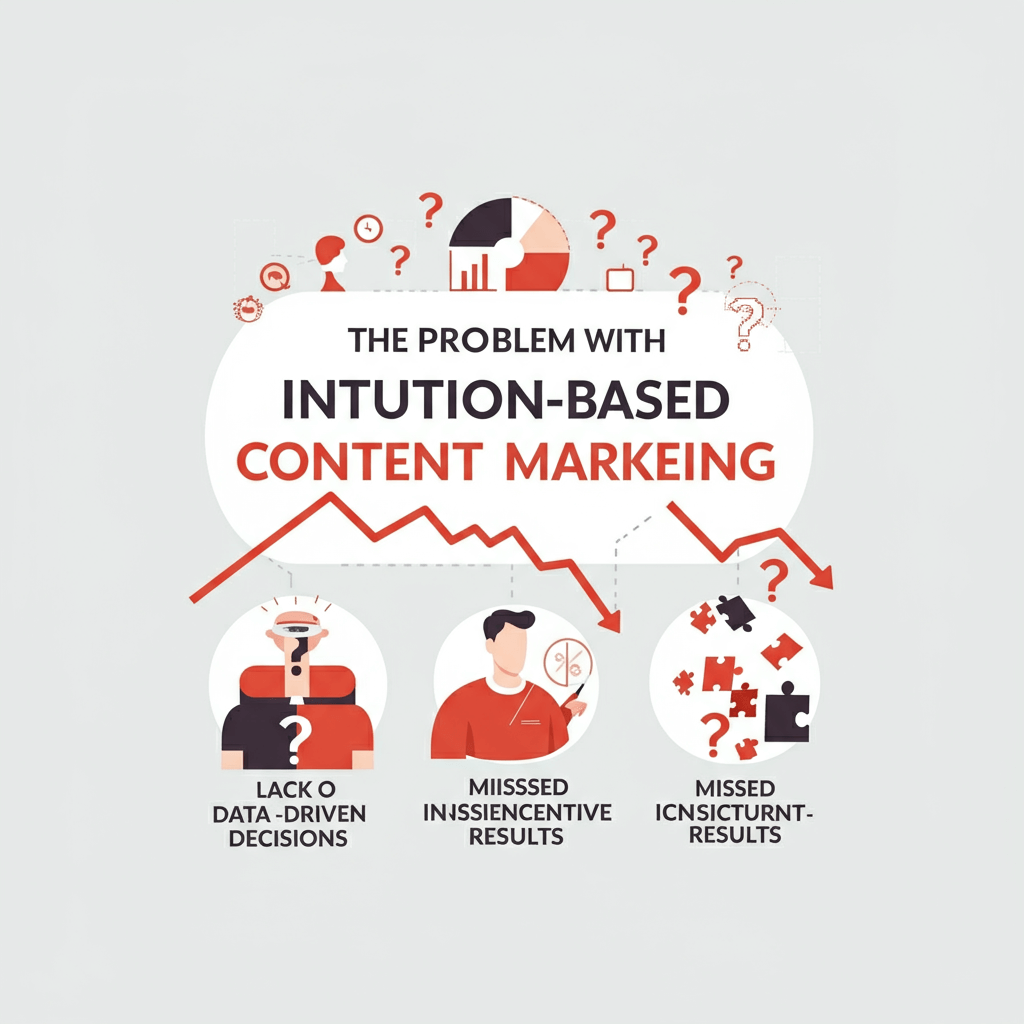
The Problem with Intuition-Based Content Marketing
Most content creators start with an idea that “feels right.” They write about what interests them, publish on platforms they prefer, and hope their audience agrees. This approach worked when content was scarce and competition was light.
Those days are gone. Every day, marketers publish over 7 million blog posts worldwide. Your brilliant idea has probably been covered dozens of times already. Standing out requires more than creativity—it demands strategic precision.
Intuition-based content marketing suffers from several fatal flaws:
Misaligned audience assumptions. You think you know what your audience wants, but assumptions often miss the mark. What seems obvious to you might bore your readers, while topics you dismiss could be exactly what they’re searching for.
Wasted resources on low-impact content. Without data to guide priorities, you’ll spend equal time on content that gets 50 views and content that gets 5,000. This inefficiency becomes expensive quickly.
Inconsistent messaging across channels. When multiple team members create content based on personal preferences, your brand voice becomes fragmented. Customers receive mixed signals about what you offer and why it matters.
How Data Changes Everything
Data-driven content marketing flips this script. Instead of creating first and measuring later, you research first and create strategically. This approach reveals what actually works rather than what you hope might work.
The transformation happens across three key areas:
Audience understanding becomes precise. Analytics tools show exactly who engages with your content, when they’re most active, and what topics drive action. You stop guessing about demographics and start knowing your audience intimately.
Content performance becomes predictable. Historical data reveals patterns about which formats, topics, and distribution methods generate results. You can forecast the likely impact of new content before investing time in creation.
Resource allocation becomes strategic. When you know which content drives revenue and which content falls flat, budget decisions become obvious. You double down on what works and eliminate what doesn’t.

Essential Data Sources for Content Strategy
Building a data-driven content strategy requires the right information sources. You don’t need every analytics tool available—just the ones that provide actionable insights for your specific goals.
Website Analytics
Google Analytics remains the foundation of content performance measurement. It shows which pages attract visitors, how long they stay, and what actions they take. Pay special attention to:
- Page views and unique visitors per piece of content
- Average time on page and bounce rates
- Conversion paths from content to desired actions
- Traffic sources for your highest-performing content
Social Media Insights
Platform-specific analytics reveal how content performs across different channels. Each platform provides data about reach, engagement, and audience demographics. Focus on engagement rate rather than follower count—a smaller, more engaged audience often delivers better results than a large, passive one.
Search Data
Keyword research tools like SEMrush, Ahrefs, or Google’s Keyword Planner show what your audience searches for. This data prevents you from creating content nobody wants while highlighting topics with genuine demand.
Look beyond search volume to understand search intent. Some keywords indicate research behavior, while others signal ready-to-buy intent. Align your content type with search intent for maximum impact.
Customer Feedback and Support Data
Your customer service team collects valuable content ideas daily. Support tickets reveal common questions, frustrations, and knowledge gaps. This information translates directly into helpful content that addresses real problems.
Sales teams also gather intelligence about prospect concerns, competitive comparisons, and decision-making factors. Regular conversations with customer-facing teams uncover content opportunities that pure analytics might miss.
Practical Implementation Strategies
Knowing where to find data is different from using it effectively. Here are specific ways to integrate data insights into your content workflow:
Start with Content Audits
Before creating new content, analyze what you already have. Identify your top-performing pieces and examine what made them successful. Look for patterns in topic, format, length, and promotion strategy.
Simultaneously, find your worst-performing content. Understanding failures is often more valuable than studying successes. Common failure patterns include topics with no search demand, poor headlines, or inadequate promotion.
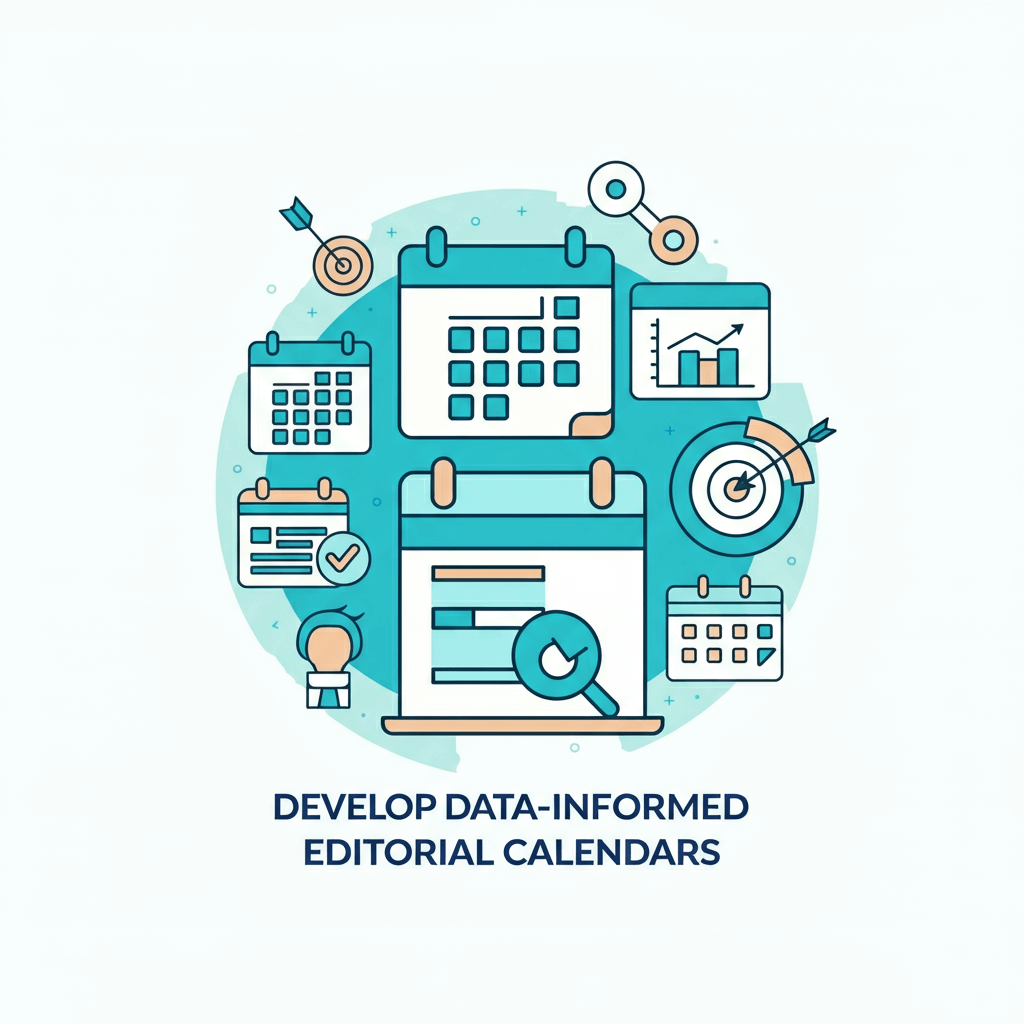
Develop Data-Informed Editorial Calendars
Replace ad hoc content creation with systematic planning. Use search data to identify trending topics before they peak. Monitor competitor content to spot gaps in coverage. Learn more about data-driven marketing transforming acquisition.
Build seasonal content around data-driven insights rather than assumptions. If your analytics show increased engagement during specific months, plan campaigns accordingly.
Test Content Formats Systematically
Data reveals which formats resonate with your audience. Some audiences prefer long-form guides, while others engage more with video content or infographics. Test different approaches and measure results consistently.
A/B testing applies to content marketing just like email campaigns. Test headlines, calls-to-action, content length, and publishing times to optimize performance.
The Role of Predictive Analytics in Content Strategy
Predictive analytics uses historical data to forecast content performance. By analyzing patterns in engagement, traffic sources, and conversions, marketers can anticipate which topics, formats, or distribution methods are likely to succeed.
For example, predictive models might indicate that long-form guides on a certain topic are more likely to generate leads in the next quarter. By proactively creating content informed by these forecasts, you reduce risk, allocate resources more effectively, and stay ahead of trends. Predictive analytics transforms content planning from reactive to proactive.
Encouraging Cross-Department Collaboration

Data-driven content marketing is most effective when it involves multiple teams. Collaboration between marketing, sales, customer support, and product teams ensures that content addresses real customer needs and business objectives.
Sales teams can provide insights into common objections or questions, customer support can highlight knowledge gaps, and product teams can share updates or innovations worth promoting. By combining these perspectives with analytics, your content becomes more targeted, relevant, and aligned with overall business strategy. This integrated approach drives both engagement and conversions.
Monitoring competitors provides insights into what works in your industry. Competitor analysis tools reveal top-performing content, backlinks, and traffic sources. For insights on competitive advantages, see data-driven agencies outperform traditional firms.
Incorporating Competitive Intelligence
Data-driven content marketing isn’t limited to your own performance. Monitoring competitors provides insights into what works in your industry. Competitor analysis tools reveal their top-performing content, backlinks, and traffic sources.
By understanding gaps and opportunities, you can differentiate your content strategy. Perhaps competitors neglect certain long-tail keywords or underutilize video formats—these gaps are chances to capture untapped audience attention. Competitive intelligence ensures your content is not just data-informed but also strategically positioned.
Personalization at Scale
Data enables personalized content experiences for different audience segments. Beyond addressing broad demographics, segmentation allows you to tailor content based on behavior, interests, location, or previous interactions.
For instance, returning visitors might see product recommendations based on prior browsing, while new visitors receive educational resources to introduce your brand. Personalization increases engagement, conversions, and loyalty, making your content more relevant and impactful for every audience segment.
Optimizing for Search and Voice Search
Search data is critical, but the rise of voice search has introduced new opportunities for content optimization. People use natural language queries when speaking to devices, often asking complete questions rather than typing short keywords.
By analyzing common voice search queries, marketers can create conversational, long-tail content that aligns with how users search. Structuring content to answer specific questions increases visibility in both traditional search results and voice assistant responses, driving highly relevant traffic. For guidance, see voice search optimization guide.
Common Data Interpretation Mistakes
Data-driven content marketing can backfire when marketers misinterpret information or draw incorrect conclusions.
Correlation versus causation confusion. Just because two metrics move together doesn’t mean one causes the other. High-traffic content isn’t automatically high-converting content. Look deeper to understand true relationships.
Sample size errors. Drawing conclusions from small data sets leads to poor decisions. One viral post doesn’t validate your entire content strategy. Wait for sufficient data before making major changes.
Short-term thinking. Content marketing delivers compound returns over time. Focusing only on immediate metrics misses the long-term value of brand building and authority development.
Ignoring qualitative feedback. Numbers tell part of the story, but they don’t explain why something worked or failed. Combine quantitative data with qualitative insights from comments, surveys, and direct customer feedback.
Building Your Data-Driven Content System
Creating sustainable data-driven content marketing requires systems and processes, not just good intentions.
Set up measurement infrastructure first. Install proper tracking before publishing content. You can’t improve what you don’t measure accurately. Ensure your analytics capture the metrics that matter for your business goals.
Create regular reporting rhythms. Weekly or monthly content performance reviews keep data insights front-of-mind. Share results with your team to build a culture of data-informed decision making.
Document what you learn. Keep a record of successful strategies, failed experiments, and audience insights. This institutional knowledge prevents teams from repeating mistakes or forgetting effective tactics.
Invest in team training. Data-driven content marketing requires new skills. Ensure team members understand how to interpret analytics, use research tools, and apply insights to creative decisions.
Data-driven content marketing thrives on testing. Establishing a culture of experimentation encourages teams to continuously refine content elements—headlines, visuals, formatting, CTAs, and distribution channels.
Test results provide insights that prevent assumptions from dominating decisions. Over time, small incremental improvements accumulate, driving measurable gains in traffic, engagement, and conversions. Documenting test outcomes ensures knowledge is retained and shared across the organization.
Aligning Content Marketing with Overall Business Goals
Finally, data-driven content marketing should always be tied to business objectives. Whether the goal is lead generation, brand awareness, or revenue growth, metrics must reflect progress toward these outcomes.
For example, if your primary objective is generating qualified leads, metrics like newsletter sign-ups, demo requests, or content-driven inquiries are more valuable than page views alone. By aligning content KPIs with broader business goals, marketers ensure that every piece of content contributes meaningfully to company growth.
Transform Your Content Marketing Today
Data-driven content marketing isn’t about eliminating creativity—it’s about channeling creativity more effectively. When you understand what your audience truly wants, you can create content that serves them better while achieving your business objectives.
Start small. Pick one data source and commit to using it consistently for content decisions. As you build confidence and see results, expand your data toolkit gradually.
The marketers who embrace this approach now will have significant advantages over those who continue guessing. Your competition is probably still creating content based on hunches. Make data your competitive edge.
For a broader perspective on implementing data-driven marketing at scale, check data-driven marketing guide to smarter campaigns.
Frequently Asked Questions (FAQ)
Can small businesses benefit from data-driven content marketing?
Absolutely. Even small businesses can leverage basic analytics to understand what resonates with their audience. Simple tools like Google Analytics, social media insights, and customer surveys provide actionable data without requiring a large budget. For small business strategies, check small business digital marketing strategies.
How much data is enough before making decisions?
It depends on the scope of your content and audience size. Generally, a few weeks to a few months of consistent traffic and engagement data is sufficient to identify meaningful trends. Avoid making decisions based on one-off anomalies.
Does data-driven content marketing stifle creativity?
Not at all. Data informs creativity by highlighting what topics, formats, and channels have the highest potential impact. It helps teams focus their creative energy where it counts, resulting in more effective and engaging content.
Which tools are essential for tracking content performance?
Core tools include Google Analytics, social media analytics platforms, SEO research tools (SEMrush, Ahrefs), and customer feedback platforms. Heatmaps and session recordings, such as Hotjar, can provide additional behavioral insights.
How can predictive analytics improve content ROI?
Predictive analytics forecasts content performance based on historical trends, allowing marketers to prioritize high-impact topics, formats, and channels. This reduces wasted effort and increases the likelihood of achieving business objectives.
How often should content performance be reviewed?
Regular reviews are essential. Weekly checks help identify immediate issues, while monthly or quarterly analyses provide broader insights for strategy adjustments. Establishing a consistent reporting rhythm ensures continuous improvement.



Leave a Reply