


Data-driven automotive marketing uses customer insights, analytics, and predictive modeling to personalize campaigns, optimize sales, and improve ROI. By leveraging digital channels like search, social, and email, dealerships can engage buyers effectively, make smarter decisions, and stay competitive in today’s evolving automotive market.
Understanding Data-Driven Automotive Marketing

Data-driven automotive marketing uses customer information, behavioral insights, and market analytics to inform marketing decisions and strategies. Unlike traditional advertising that relies on broad demographic assumptions, this approach leverages specific data points to understand customer preferences, predict buying behaviors, and personalize marketing messages.
The automotive industry generates massive amounts of data across multiple touchpoints. Every website visit, brochure download, test drive, service appointment, and social media interaction creates valuable insights into customer behavior. Smart automotive marketers capture this information and transform it into actionable marketing strategies.
This approach extends beyond simple demographic targeting. Modern data-driven marketing considers factors like browsing patterns, engagement history, price sensitivity, feature preferences, and even seasonal buying trends. The result is more precise targeting, higher conversion rates, and improved return on marketing investment.
Key Components of Effective Automotive Marketing Data
Customer Demographics and Psychographics
Traditional demographic data remains important, but psychographic information provides deeper insights into customer motivations. Age, income, and location tell part of the story, but understanding lifestyle preferences, values, and aspirations creates more complete customer profiles. See our guide on customer data-driven marketing for more.
Successful automotive marketers combine both data types to create comprehensive buyer personas. A 35-year-old suburban parent might prioritize safety features and fuel efficiency, while a 25-year-old urban professional might focus on technology integration and style. These insights drive everything from ad creative to inventory planning.
Digital Behavior and Engagement Patterns
Online behavior reveals crucial information about purchase intent and preferences. Website analytics show which vehicle pages receive the most attention, how long visitors spend researching features, and where they exit the buying journey. Insights like these are critical in data-driven social media marketing.
Email engagement metrics, social media interactions, and content consumption patterns add additional layers of insight. Customers who consistently engage with hybrid vehicle content are prime targets for eco-friendly messaging, while those browsing performance specifications might respond better to power and capability-focused campaigns.
Sales and Service History
Existing customer data provides a goldmine insights for retention and expansion opportunities. Service records reveal vehicle reliability perceptions, while purchase history indicates brand loyalty patterns and upgrade timelines. This information enables proactive marketing to customers approaching natural replacement cycles.
Warranty claims, recall responses, and customer satisfaction scores help predict churn risk and identify opportunities for retention campaigns. Customers with positive service experiences become prime candidates for referral programs and brand advocacy initiatives.
Implementing Data-Driven Strategies

Customer Segmentation and Personalization
Effective data-driven automotive marketing starts with sophisticated customer segmentation. Rather than broad categories like “luxury buyers” or “first-time purchasers,” advanced segmentation considers multiple variables simultaneously. Machine learning algorithms can identify patterns that human analysts might miss, creating more nuanced customer groups.
Personalization extends these segments into individual customer experiences. Dynamic website content can showcase relevant vehicles based on browsing history, while email campaigns can feature personalized recommendations and offers. The goal is making each customer feel like the marketing message was crafted specifically for them.
Predictive Analytics for Lead Scoring
Predictive analytics transforms how automotive marketers qualify and prioritize leads. By analyzing historical conversion data, predictive models identify which prospects are most likely to make purchases and when they’re likely to buy. This enables sales teams to focus energy on high-potential opportunities while nurturing longer-term prospects appropriately.
Lead scoring systems can incorporate dozens of variables, from website behavior to demographic information to social media activity. Advanced systems continuously learn and adjust scoring criteria based on actual conversion outcomes, becoming more accurate over time.
Predictive analytics helps marketers prioritize leads and forecast conversions. Lead scoring systems continuously learn from behavior data to improve accuracy. To explore predictive analytics in depth, check predictive analytics customer value.
Dynamic Pricing and Inventory Optimization
Data-driven insights inform pricing strategies and inventory decisions. Market demand analytics help dealers understand which vehicles and features are trending, while competitive analysis ensures pricing remains competitive. Seasonal patterns and local market conditions add additional optimization layers. For a comprehensive overview of marketing and analytics, check marketing and analysis for business growth.
Real-time inventory management systems can automatically adjust marketing focus based on available stock. If a particular model is overstocked, marketing campaigns can emphasize those vehicles through targeted promotions and increased advertising spend.
Digital Marketing Channels and Tactics

Search Engine Marketing
Search engine marketing remains one of the most measurable and impactful channels for automotive marketing. By analyzing the keywords that potential customers use, marketers can gain deep insights into buyer intent—understanding exactly what people are searching for when considering a new vehicle. This precision allows campaigns to target high-value prospects with tailored messaging, ensuring every ad dollar is well spent.
Paid search campaigns can be continuously optimized based on real-time performance data. Keywords that underperform can be paused, adjusted, or replaced, while high-converting terms can receive increased investment to maximize ROI. Beyond keywords, geographic targeting plays a critical role in automotive marketing. By focusing campaigns on regions with the highest sales potential or near dealership locations, marketers can increase foot traffic, leads, and ultimately conversions. Additionally, ad extensions—such as location, call, and review extensions—enhance visibility and credibility, improving both click-through rates and lead quality.
Social Media Advertising
Social media platforms provide automotive marketers with powerful tools for precision targeting and engagement. Custom audiences can be built from website visitors, email subscribers, or existing customer databases, ensuring campaigns reach individuals already familiar with the brand. Lookalike audiences expand reach by identifying new prospects who share behavioral and demographic traits with high-value customers.
Social media advertising also generates rich, actionable data. Every interaction—likes, shares, comments, clicks, or video views—provides insight into customer preferences and engagement patterns. Marketers can use this data to refine creative messaging, optimize targeting, and adjust campaign timing. For example, a campaign promoting an SUV might be tweaked based on engagement trends, such as emphasizing safety features for family-oriented audiences or performance features for younger buyers. By continuously analyzing results, social media campaigns can evolve into highly effective, personalized marketing tools that drive both awareness and conversions.
Email Marketing Automation
Email marketing automation transforms how automotive brands communicate with prospects and existing customers throughout the entire buying journey. Automated workflows allow brands to send highly targeted messages based on user behavior and engagement. For instance, a new website visitor who explores hybrid vehicle pages can receive a follow-up email highlighting eco-friendly options or financing deals. Similarly, service reminders, promotional offers, and win-back campaigns can be automatically triggered, keeping customers engaged without manual effort.
Advanced email marketing systems track key engagement metrics, such as open rates, click-through rates, and conversion actions. This data enables marketers to refine content, adjust send times, and personalize subject lines to maximize response rates. A/B testing further allows teams to experiment with different messages, offers, and designs, ensuring campaigns continually improve over time. By combining behavioral insights with automation, email marketing becomes a precise, cost-effective channel that nurtures leads, encourages repeat business, and strengthens long-term customer relationships.
Measuring Success and ROI
Key Performance Indicators
Effective measurement requires tracking metrics that directly relate to business objectives. While traditional metrics like click-through rates and impressions provide some insights, automotive marketers need to focus on metrics that connect to actual sales outcomes.
Customer acquisition cost, lifetime value, and return on advertising spend provide clearer pictures of marketing effectiveness. Lead quality scores and sales conversion rates help evaluate the full marketing funnel, not just top-of-funnel awareness metrics.
Attribution Modeling
Modern car buying journeys involve multiple touchpoints across various channels and timeframes. Attribution modeling helps marketers understand how different marketing activities contribute to final sale outcomes. This information enables better budget allocation and channel optimization decisions.
Advanced attribution models consider both online and offline interactions, providing comprehensive views of customer journeys. Understanding that a customer might see a social media ad, visit the website multiple times, receive email campaigns, and visit the dealership before purchasing helps marketers optimize the entire experience.
Continuous Optimization
Data-driven marketing thrives on continuous testing and optimization. Regular analysis of campaign performance, customer behavior changes, and market conditions enables ongoing refinement of marketing strategies. What works today might not work tomorrow, making adaptability crucial for long-term success.
Testing protocols should be built into every marketing initiative. From ad creative variations to landing page designs to email subject lines, systematic testing reveals optimization opportunities and prevents stagnation.
Overcoming Common Implementation Challenges
Data Integration and Quality
Many automotive organizations struggle with fragmented data systems that don’t communicate effectively. Customer information might exist in separate systems for sales, service, marketing, and finance, making comprehensive customer views difficult to achieve.
Successful data-driven marketing requires integrated systems and clean, accurate data. Investment in data management platforms and regular data hygiene processes ensures marketing decisions are based on reliable information rather than incomplete or outdated records.
Privacy and Compliance Considerations
Increasing privacy regulations and consumer awareness require careful attention to data collection and usage practices. Automotive marketers must balance personalization benefits with privacy requirements, ensuring compliance with regulations while maintaining marketing effectiveness.
Transparent privacy policies, clear opt-in processes, and respect for customer preferences build trust while enabling continued data collection. Customers are often willing to share information when they understand the value they’ll receive in return.
The Future of Automotive Marketing
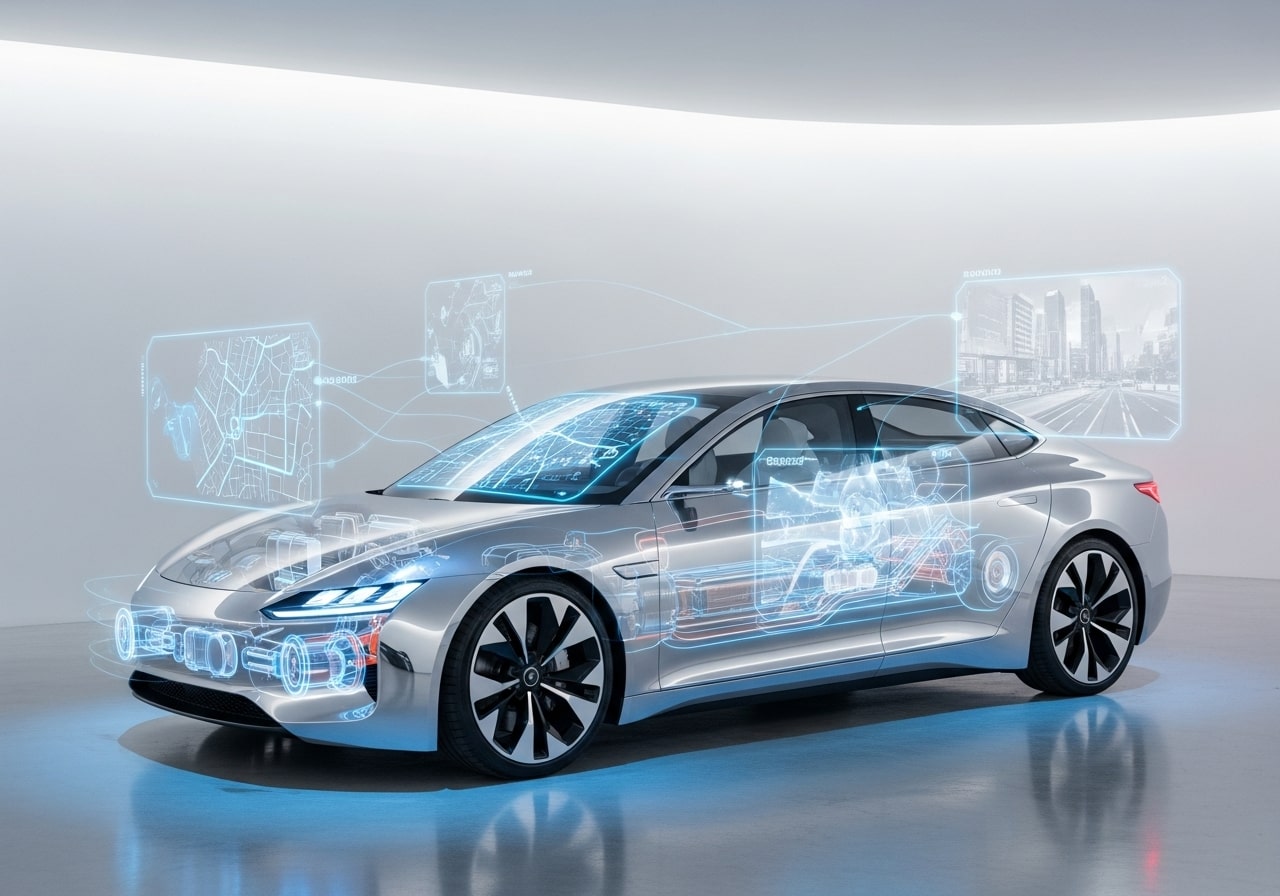
Emerging technologies continue to expand possibilities for data-driven automotive marketing. Artificial intelligence and machine learning capabilities are becoming more sophisticated and accessible, enabling smaller organizations to implement advanced analytics previously available only to large enterprises.
Connected vehicles generate new data streams that will further enhance customer understanding. Real-time vehicle performance data, usage patterns, and maintenance needs create opportunities for proactive service marketing and personalized vehicle recommendations.
Virtual and augmented reality technologies will transform how customers research and experience vehicles. Data from these interactions will provide unprecedented insights into customer preferences and decision-making processes.
Taking Your Automotive Marketing to the Next Level
Data-driven automotive marketing represents the future of effective customer acquisition and retention. Organizations that embrace data-driven approaches will have significant advantages over competitors relying on traditional marketing methods. The key is starting with clear objectives, implementing proper measurement systems, and maintaining focus on continuous improvement.
Success requires commitment to data quality, investment in appropriate technology platforms, and development of analytical capabilities within marketing teams. However, the potential rewards—improved targeting accuracy, higher conversion rates, and better return on marketing investment—justify these investments.
Begin by auditing your current data collection and usage practices. Identify gaps in customer information, evaluate system integration opportunities, and establish baseline metrics for future comparison. Small steps toward more data-driven approaches can generate immediate improvements while building foundation for advanced strategies.
Frequently Asked Questions (FAQ)
What is data-driven automotive marketing?
Data-driven automotive marketing is the use of customer data, behavioral analytics, and predictive modeling to inform marketing strategies. Unlike traditional approaches that rely on broad demographic assumptions, this method personalizes campaigns based on actionable insights.
How does predictive analytics help automotive marketers?
Predictive analytics allows marketers to forecast which leads are most likely to convert, the optimal timing for outreach, and which marketing channels deliver the highest ROI. It improves targeting efficiency and prioritizes high-value opportunities.
Can small dealerships implement data-driven marketing?
Absolutely. Even smaller organizations can leverage tools like CRM systems, marketing automation platforms, and basic analytics software. Starting with customer segmentation, email campaigns, and digital advertising allows small dealerships to generate measurable results without a massive budget.
How do I ensure privacy and compliance when using customer data?
Transparency, opt-in processes, and adherence to regulations like GDPR and CCPA are essential. Customers are more likely to share information if they understand how it will be used and perceive value in exchange.
How does integrating online and offline data improve results?
By combining digital interactions with in-dealership behavior, marketers can track the full customer journey, optimize campaigns based on actual purchase behavior, and ensure that marketing investments directly influence sales outcomes.
What role do AI and machine learning play in automotive marketing?
AI and ML help analyze complex datasets to predict customer behavior, segment audiences, optimize campaigns, and automate personalization. These technologies allow marketers to make smarter decisions faster and scale marketing efforts efficiently.



Leave a Reply